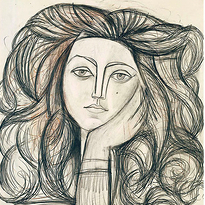

In periods of instability, culture does not retreat, it reorganizes its references. Luxury fashion, historically anchored in dialogue with fine art and auteur cinema, has in the past two decades progressively expanded its cultural dependencies. What was once a vertical relationship, couture drawing legitimacy from museums and film auteurs, has become more horizontal, absorbing influence from a wider visual economy that includes television series, digital narratives, and streaming platforms. This evolution is not incidental; it reflects a shift in where meaning, attention, and emotional investment now reside.
Ceremonial culture has mirrored this transition. Events such as the Oscars have increasingly become extensions of the fashion ecosystem: red carpets functioning as globalized runways where maisons compete for visibility through celebrity alignment. Yet while these moments generate spectacle and media value, they offer limited identification. The viewer witnesses, admires, but rarely inhabits.
The relationship remains aspirational, not immersive. In contrast, serialized storytelling invites a slower, more intimate form of consumption; one where fashion is not merely observed in a moment, but lived with over time. Unlike the red carpet, whose visibility peaks within a compressed media cycle, serialized content offers prolonged exposure, episodes remain accessible, rewatched, and reinterpreted, extending the lifespan and impact of each sartorial moment.
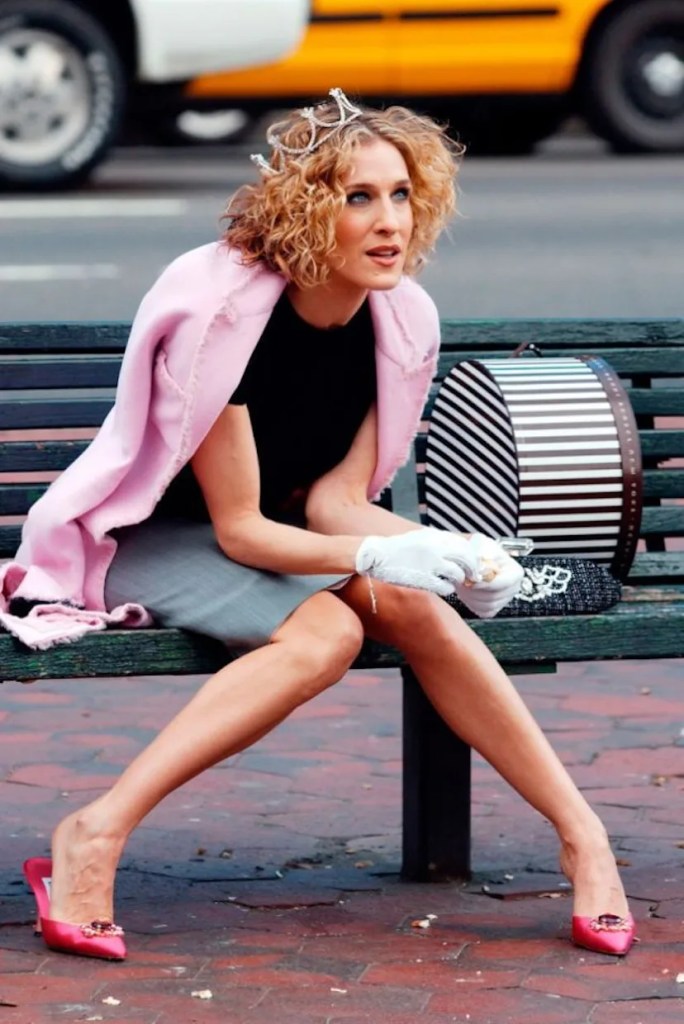
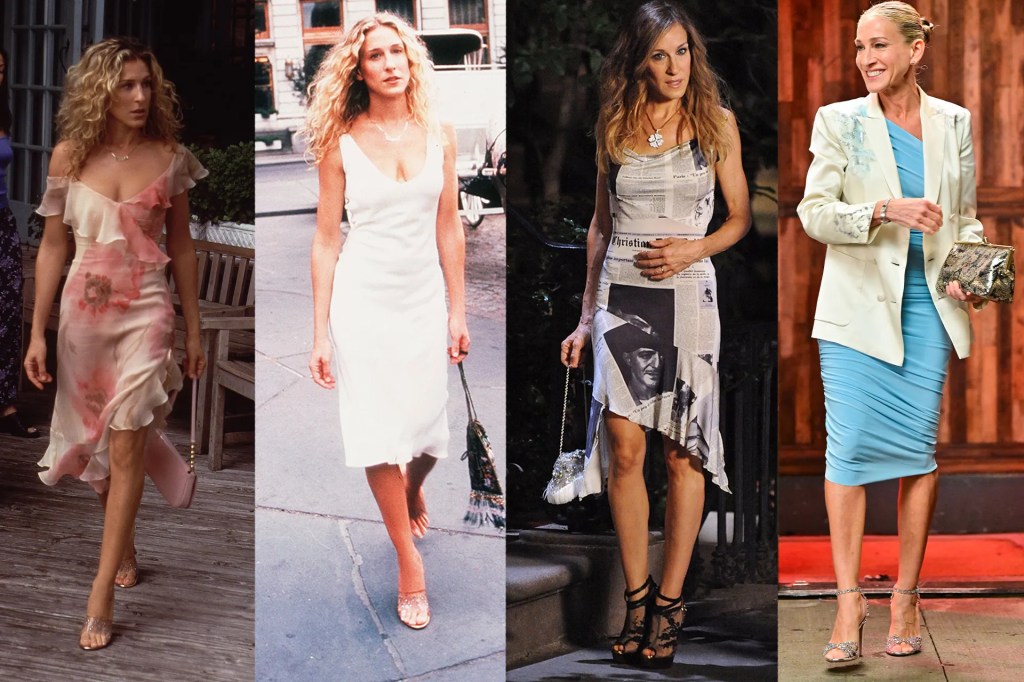
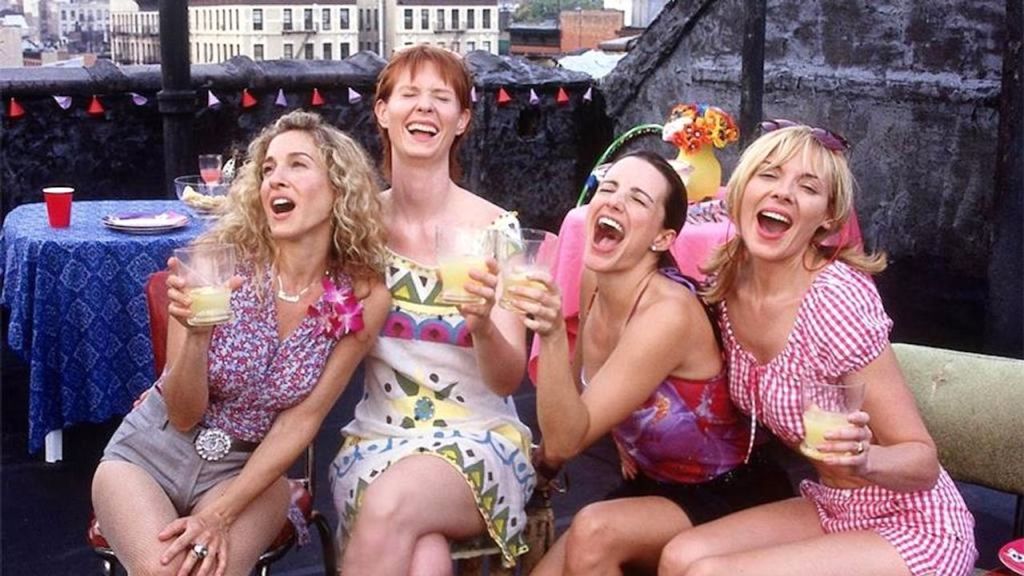
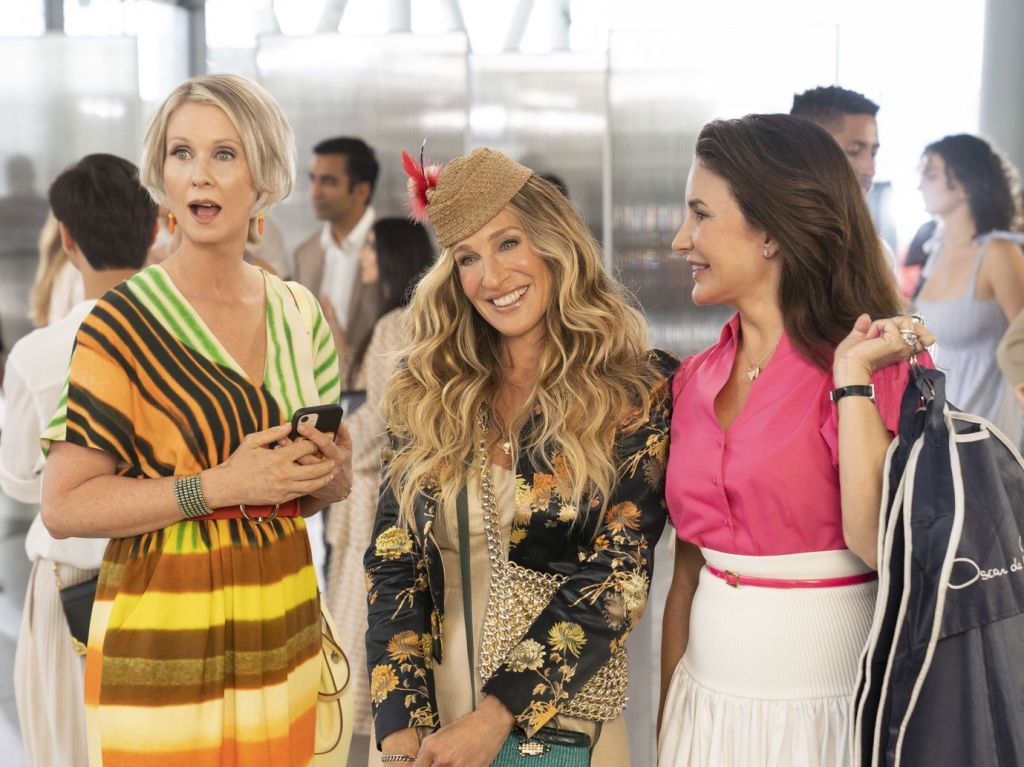
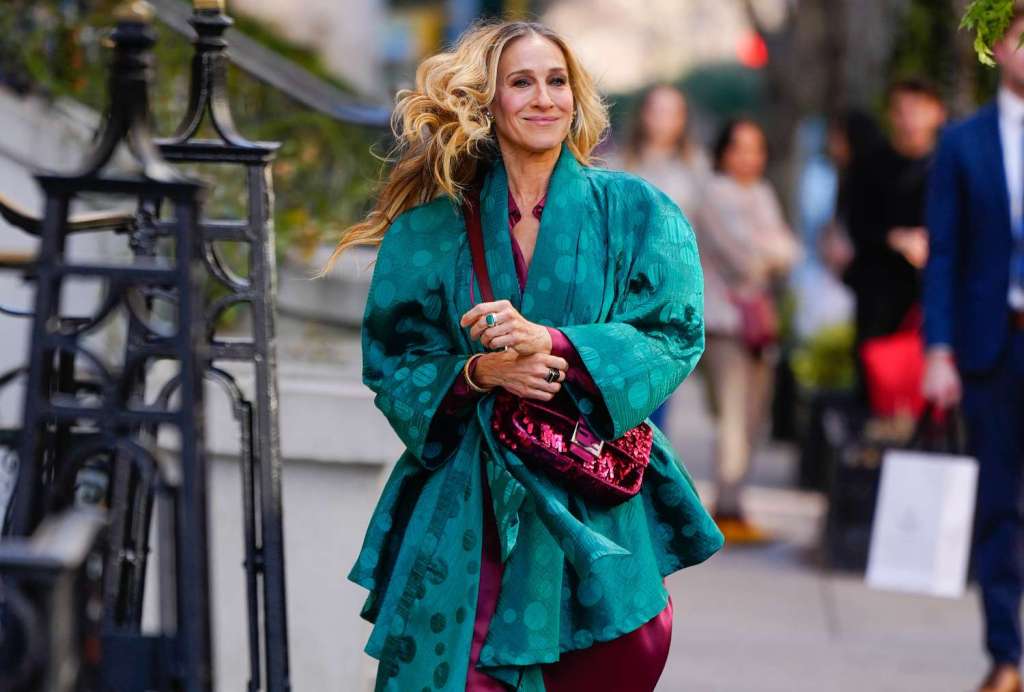
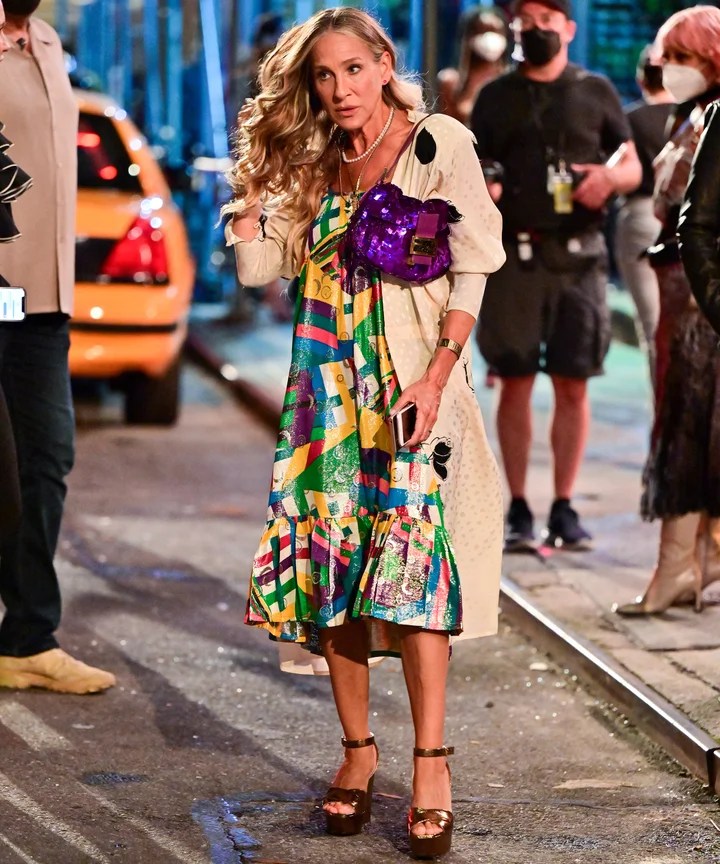
This distinction becomes clearer when tracing the lineage of fashion’s relationship with television. Sex and the City marked a pivotal early moment. Its wardrobe, curated with a mix of emerging designers and established houses, influenced consumer behavior in ways that felt organic rather than orchestrated. Brands were spotlighted, not embedded through overt commercial agreements. The effect was anecdotal yet culturally formative: viewers discovered Manolo Blahnik or Fendi through Carrie Bradshaw’s world, but the narrative retained primacy over product.
The contrast with its sequel, And Just Like That, is telling. By the time of its release, the ecosystem had shifted. Luxury brands, now acutely aware of the commercial potential of serialized exposure, engage more directly in production dynamics. Product placement becomes more explicit, sometimes approaching the grammar of advertising.
What was once a cultural osmosis has, in certain instances, hardened into strategy. The spontaneity of early television-fashion interplay gives way to a more transactional visibility, less discovery, more deployment. Product placement, once peripheral, has evolved into a structured economic model, with luxury brands increasingly negotiating narrative visibility and, in some cases, participating directly in production financing.
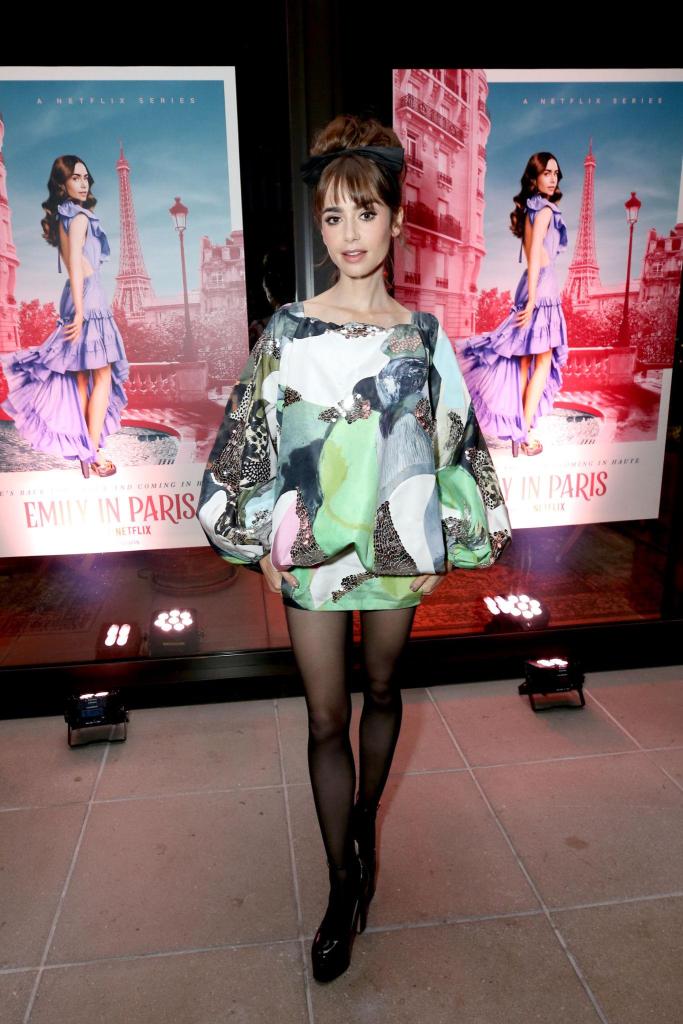
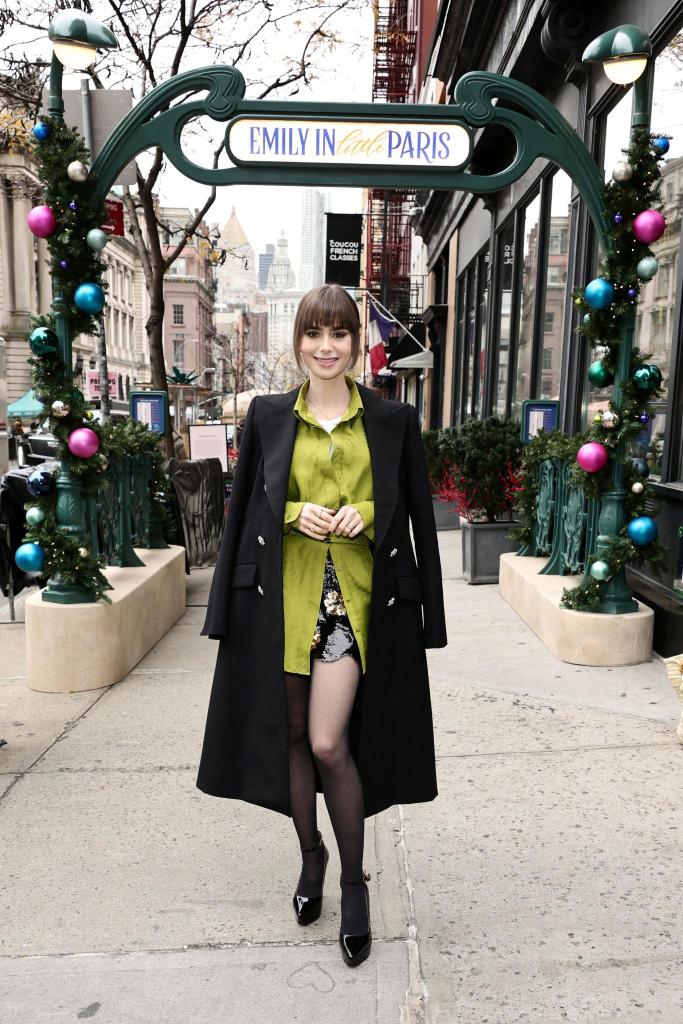
Emily in Paris operates as perhaps the most overt case study in fashion as constructed fantasy. Its aesthetic, deliberately excessive, color-saturated, and at times bordering on caricature, functions less as a reflection of Parisian style than as a projection of how global audiences wish to imagine it. Yet this exaggeration is precisely what enables its influence. In the aftermath of pandemic minimalism, the show re-legitimized exuberance: bold palettes, statement accessories, and a return to dressing as performance.
From a market perspective, it demonstrated how quickly a highly stylized, even polarizing visual identity can translate into commercial traction when it aligns with a collective desire for lightness and escapism. The commercial impact is measurable: following the release of comparable series phenomena; namely Bridgerton; global searches for corsets surged by over 100%, while featured brands experienced double-digit increases in online visibility, evidence of a direct translation from screen exposure to consumer intent.
This transformation aligns with broader industry economics. As traditional advertising loses its persuasive edge, narrative integration offers a more subtle, yet potentially more powerful, route to relevance. However, the risk lies in over-determination. When fashion becomes too visible as commerce within fiction, it disrupts the very immersion that makes these formats effective. The most successful examples remain those where costume serves character first, brand second. Platforms such as Lyst have consistently identified television series as accelerators of micro-trends, with on-screen items frequently entering global “hottest product” rankings within weeks of release.
It is precisely here that contemporary series excel. Costume design today operates as a psychological and sociological tool, a concept long explored in academic fields such as film studies and material culture theory. Scholars like Stella Bruzzi have argued that costume is not merely decorative but constitutive of character identity: what a character wears shapes how they are perceived and how they perceive themselves. In serialized formats, this process unfolds over time, allowing wardrobes to evolve alongside narrative arcs, reinforcing emotional depth and viewer attachment.
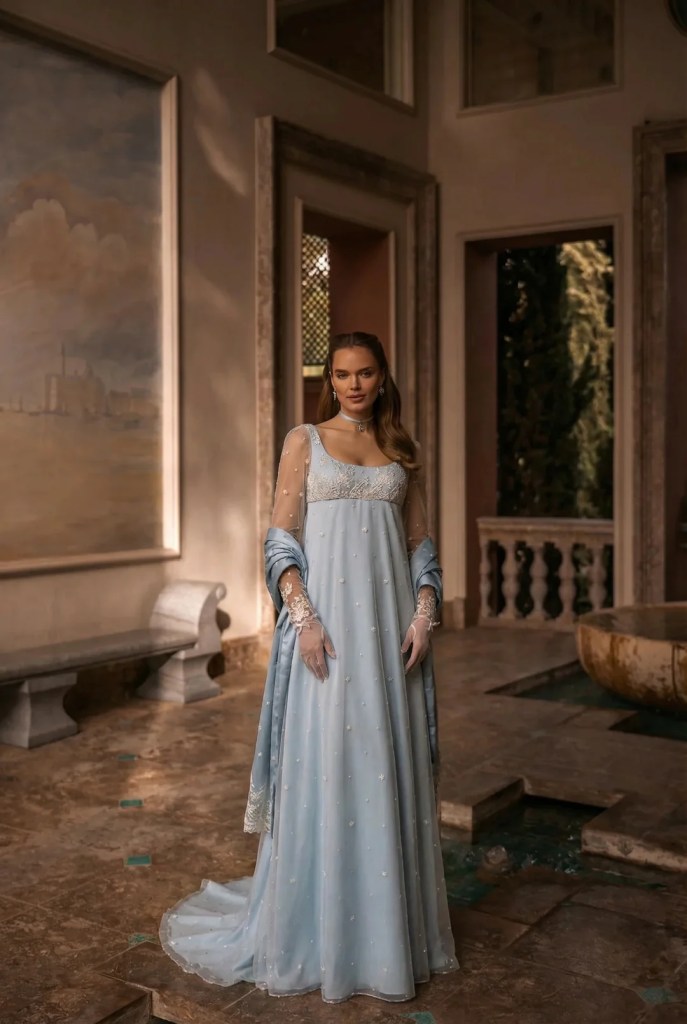
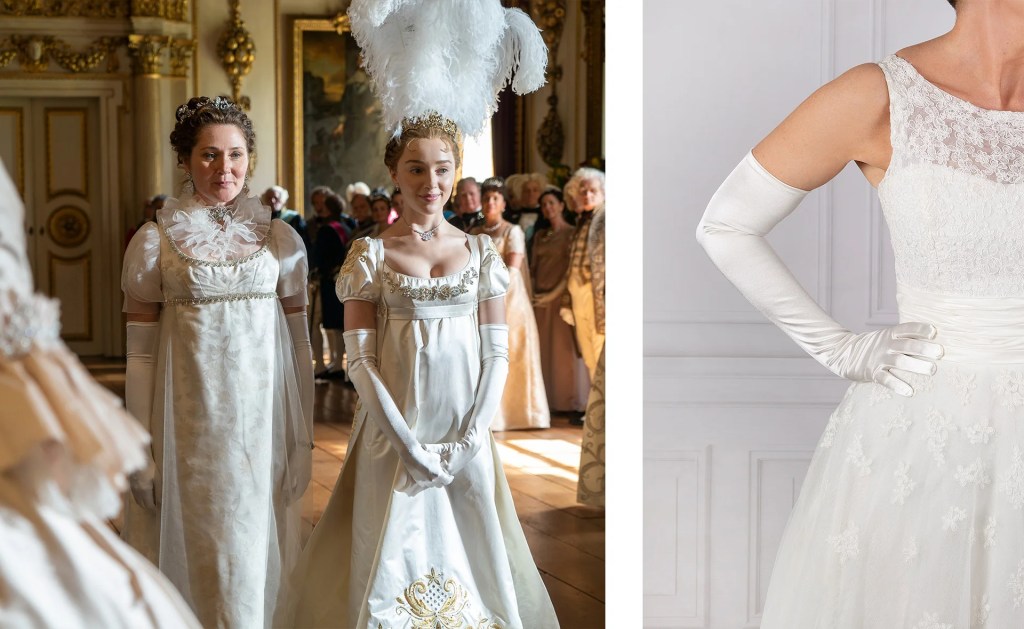
Bridgerton, for example, reveals the power of historical reinterpretation as emotional strategy. Its Regency-inspired wardrobe, empire silhouettes, delicate embellishments and a chromatic language tied to familial identity, does not aim for historical accuracy but for emotional legibility. The result is what might be termed “romantic coding”: garments that signal softness, hierarchy, and desire in instantly recognizable ways.
The subsequent rise of “Regencycore” across both luxury and mass markets illustrates how costume, when tightly interwoven with narrative psychology, can migrate beyond the screen into a broader cultural vocabulary. It is less about period dressing than about accessing a slower, more ornamental temporality that stands in opposition to contemporary acceleration.
This depth of engagement explains the potency of recent series-driven fashion phenomena. Whether in the heightened romanticism of period dramas or the stylized exaggeration of urban comedies, clothing becomes a language through which viewers decode aspiration, vulnerability, power, or transformation. The audience does not simply replicate looks; they internalize the symbolic frameworks attached to them. Fashion becomes a proxy for emotional states.
At the same time, the rise of “universe creation” has redefined the stakes. Series are no longer isolated narratives; they are ecosystems complete with visual codes, atmospheres, and lifestyle cues. This aligns closely with the expectations of younger consumers, particularly Gen Z, who prioritize experience over ownership and immersion over observation. For them, fashion is less about acquiring a garment than about entering a world. The success of a series lies in its ability to construct a coherent universe; the success of a fashion brand increasingly depends on its ability to integrate into one.
This convergence also responds to a broader psychological need. In a geopolitical landscape marked by fragmentation, conflict, economic volatility, environmental precarity, a growing appetite emerges for structured imaginaries. Fictional worlds offer coherence where reality does not. They provide aesthetic order, emotional narratives, and temporal continuity. Fashion, when embedded within these worlds, inherits their stabilizing function. To dress like a character is, in a subtle way, to access their narrative clarity.
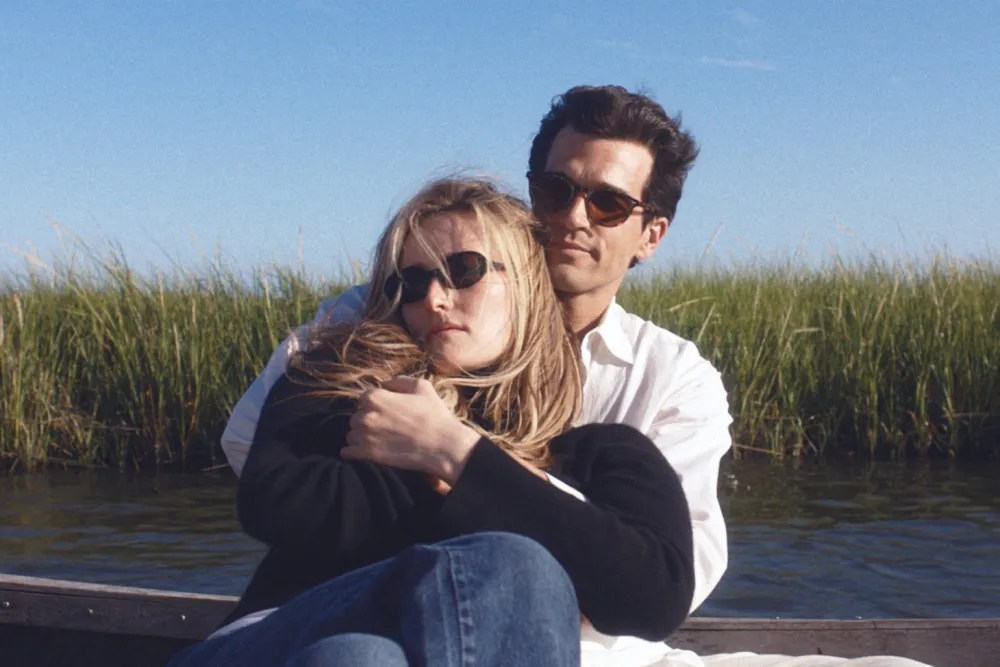
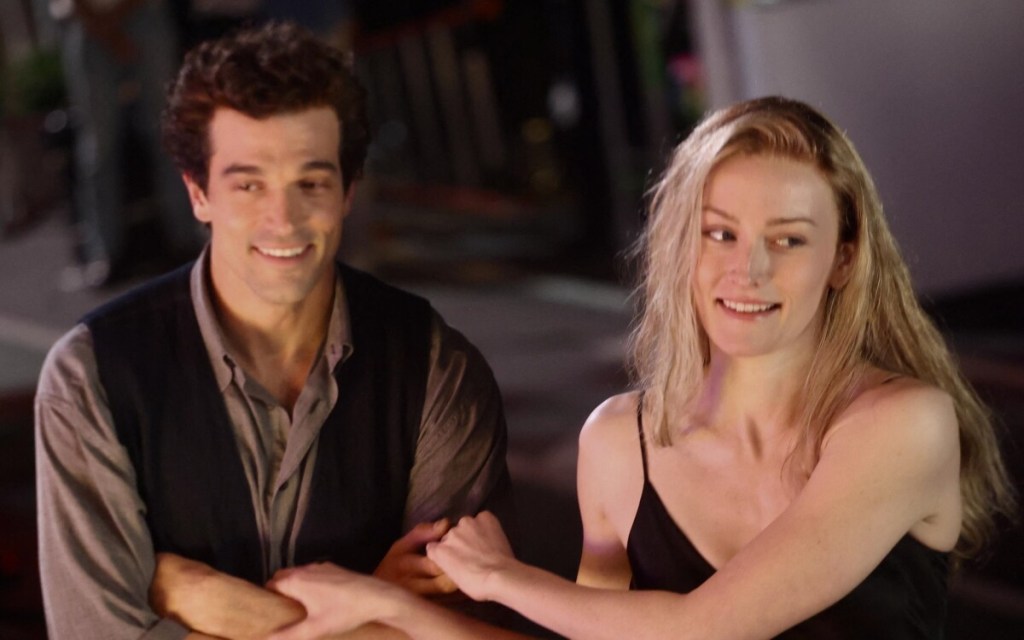
The renewed fascination with quiet luxury aesthetics, crystallized in the Disney+ series Love Story centered on John F. Kennedy Jr. and Carolyn Bessette-Kennedy, signals a quieter but significant shift. Unlike the overt stylization of fantasy-driven narratives, this visual universe is rooted in restraint, discipline, and an almost studied minimalism. Bessette-Kennedy’s wardrobe, clean lines, neutral palettes, precise tailoring, has long occupied a near-mythological status within fashion, but its reactivation through serialized storytelling reframes it for a new generation.
Here, clothing does not perform; it withdraws, suggesting control, privacy, and emotional containment. In a cultural landscape saturated with excess and visibility, this aesthetic resonates as a form of resistance. It reflects a broader desire not for escapism through spectacle, but for distance, discretion, and a return to an interiorized form of elegance, where fashion becomes less about projection and more about self-possession.
Yet this raises a critical question for luxury: can authenticity survive increased commercial integration? The historical prestige of luxury fashion has been tied to notions of craftsmanship, authorship, and cultural capital. As brands move closer to entertainment infrastructures by sponsoring, placing, embedding; they risk diluting the very aura they seek to extend. The challenge is not whether to participate, but how to do so without collapsing storytelling into strategy.
Ultimately, the deepening relationship between fashion and serialized storytelling reflects a reconfiguration of cultural authority. Art and cinema have not disappeared from fashion’s orbit; they have been joined, and in some respects rivaled, by formats that better capture contemporary attention and emotional bandwidth. If the 20th century positioned fashion alongside high culture, the 21st situates it within immersive culture. And in a world defined by uncertainty, it is perhaps this immersion, the ability to momentarily inhabit another reality, that proves most valuable of all.
 mabou
mabou 
Leave a comment