Art x Fashion Edit #49
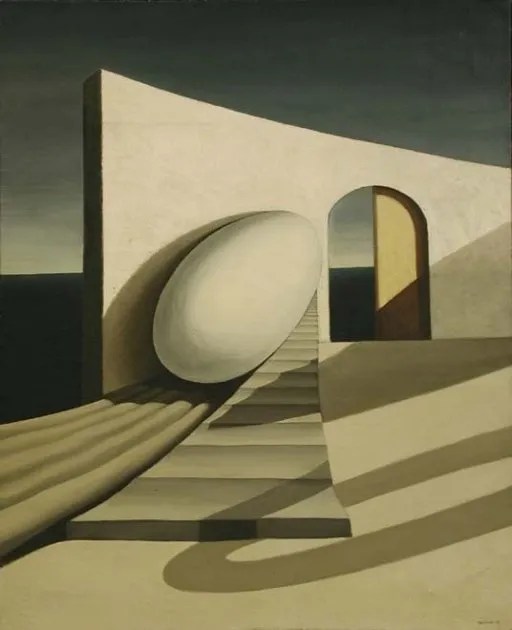
Kay Sage remains one of the most intellectually rigorous yet understated figures within surrealism, a painter who replaced dreamlike excess with a language of restraint, structure, and psychological distance. Working between Europe and the United States, and often in dialogue with Yves Tanguy, she developed a distinct visual vocabulary defined by architectural forms, muted palettes, and suspended, unresolved spaces. Where many surrealists pursued the unconscious through fluidity and distortion, Sage constructed environments that feel almost over-determined: precise, measured, and yet emptied of purpose. Her paintings are not about fantasy as escape, but about containment: spaces that suggest entry while quietly denying it.
Art historically, her work sits at a subtle but important crossroads. It extends surrealism into something more austere, anticipating later movements that would privilege reduction, repetition, and spatial tension over overt symbolism. The absence of the human figure in her compositions is particularly striking; instead of bodies, we encounter draped forms, architectural obstructions, and geometric thresholds. This refusal to center the figure, especially as a woman within a movement that often objectified them, positions her work as both formally and conceptually resistant. In her later paintings, this resistance becomes more internalized, the spaces tightening, the structures pressing inward, as if architecture itself were absorbing emotional weight.
It is precisely this tension between openness and obstruction, softness and control, that animates the outfit inspired by My Room Has Two Doors. The silhouette mirrors Sage’s spatial logic: elongated, column-like proportions through the leg establish a sense of grounded structure, while the upper body is segmented into flatter, more controlled planes. A cropped, boxy outer layer functions almost like an architectural frame, interrupting the continuity of the body and imposing a boundary that feels deliberate rather than decorative.
Against this linearity, rounded elements introduce a quiet disruption. The softened curvature of accessories, the subtle collapse of material, the sense of volume that resists clean edges all echo the enigmatic rounded form in Sage’s painting. These are not only ornamental gestures; they are points of friction. They destabilize the composition just enough to prevent it from becoming purely functional or resolved, maintaining a state of suspension that feels psychologically charged.
This is where the alignment with quiet luxury becomes more precise and less superficial. Rather than signaling wealth through obvious markers, the look operates through control of proportion, of texture, of visual noise. It shares with Sage’s work a commitment to reduction, where every element is intentional and nothing is excessive. At the same time, there is an understated expressionism embedded within it: emotion conveyed not through embellishment, but through the relationship between forms, through the tension of what is held back.
Ultimately, both the painting and the outfit propose a similar way of moving through the world: one defined not by clarity, but by calibrated ambiguity. They construct spaces, whether architectural or sartorial, that invite interpretation without resolving it. Like a room with two doors, the experience is less about choosing a direction than about inhabiting the uncertainty itself, where structure and softness coexist in a state of quiet, deliberate imbalance.
The Splurge
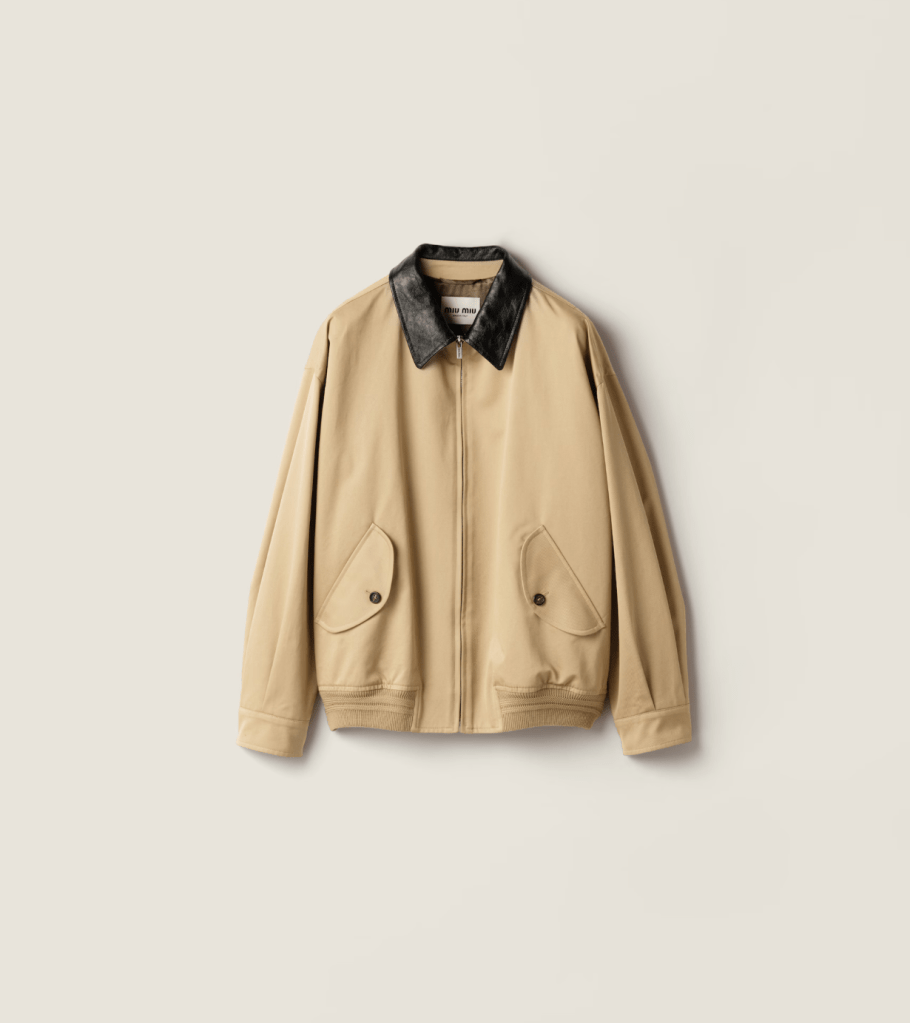
MiuMiu Chino Jacket ($5,200)
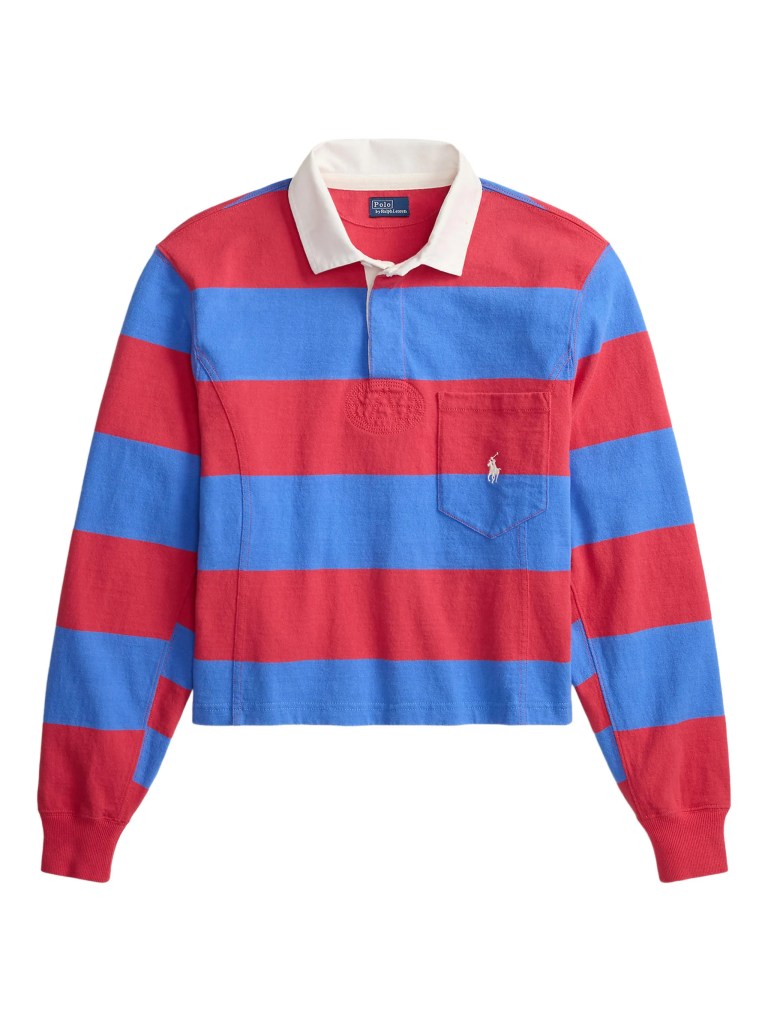
Polo Ralph Lauren Shirt ($325)
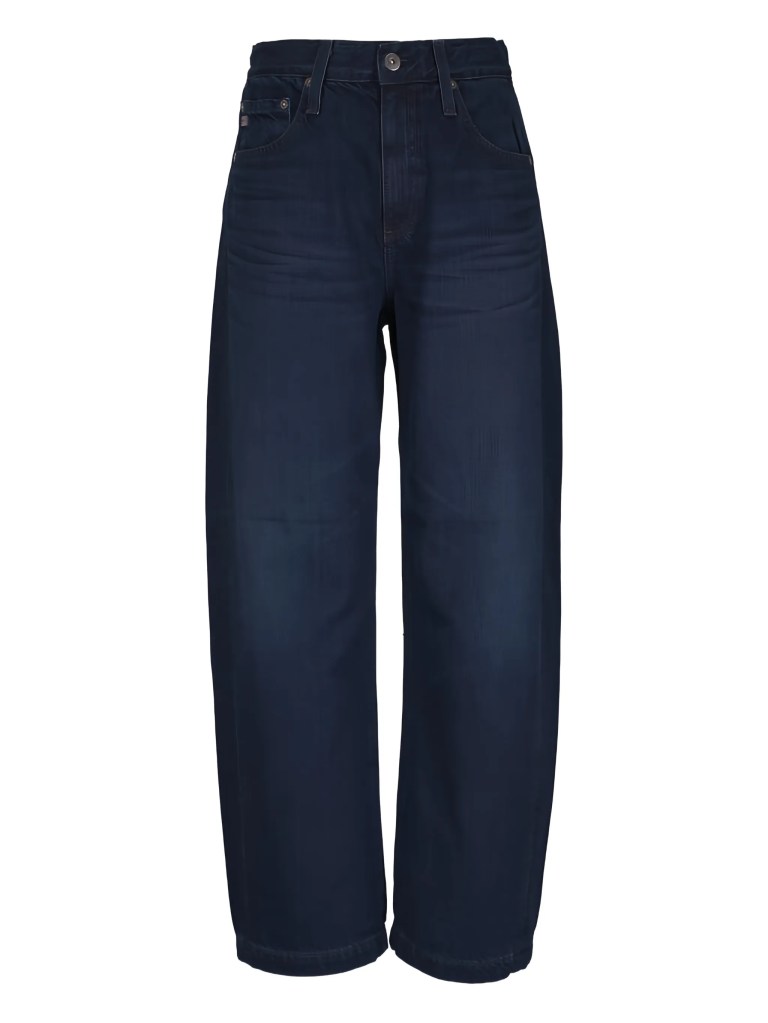
AG Jeans pants ($265)
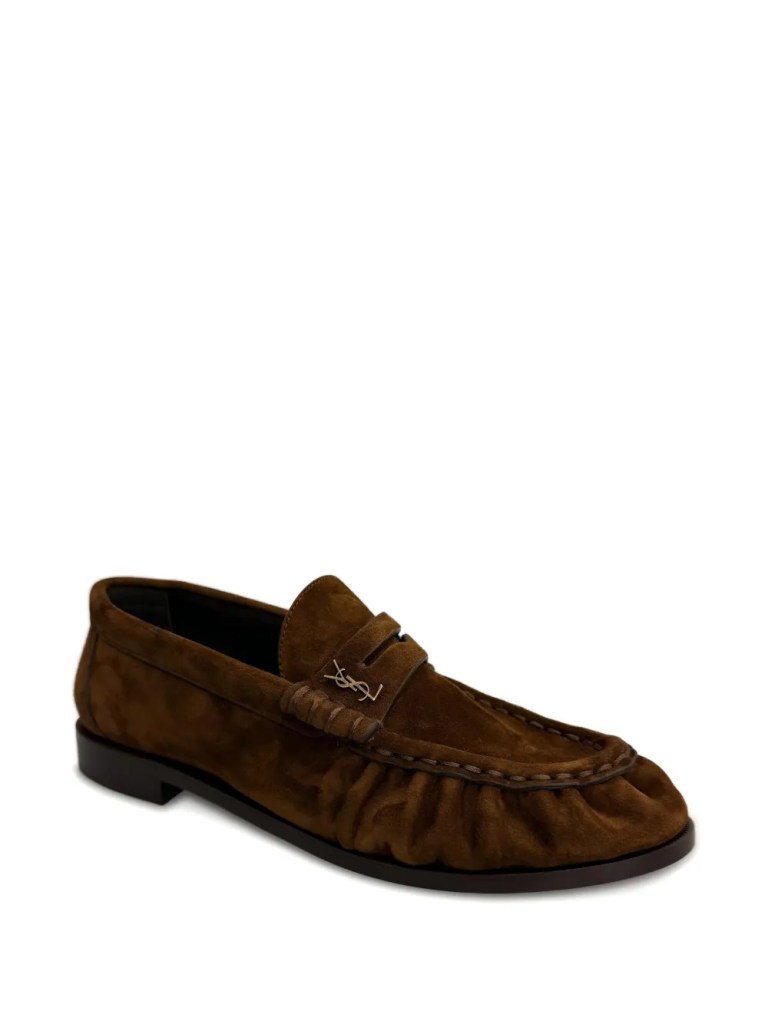
Saint Laurent Loafers ($1,261)
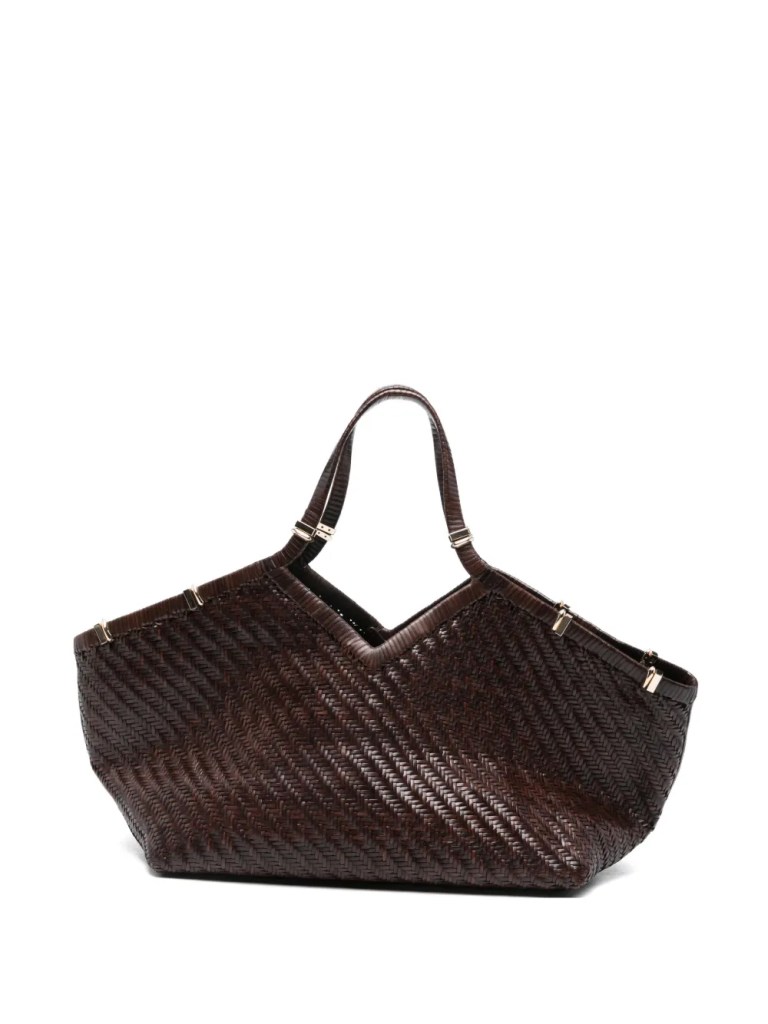
Benedetta Bruzziches Bag ($1,048)
(More) Affordable Options
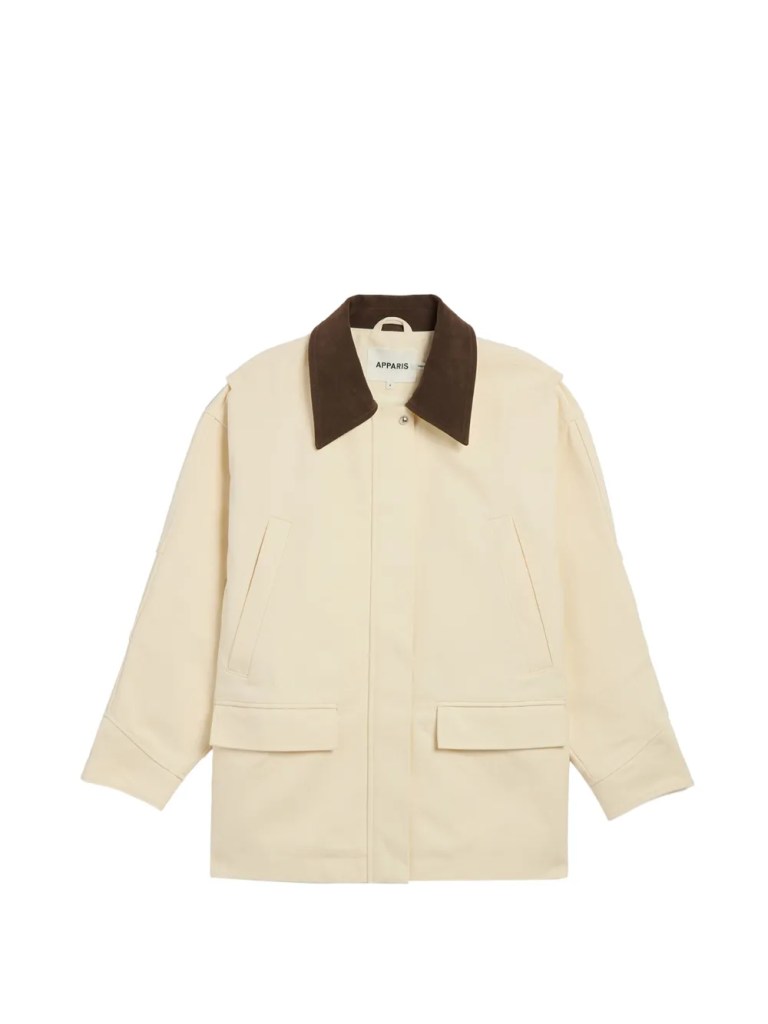
Apparis Jacket ($375)
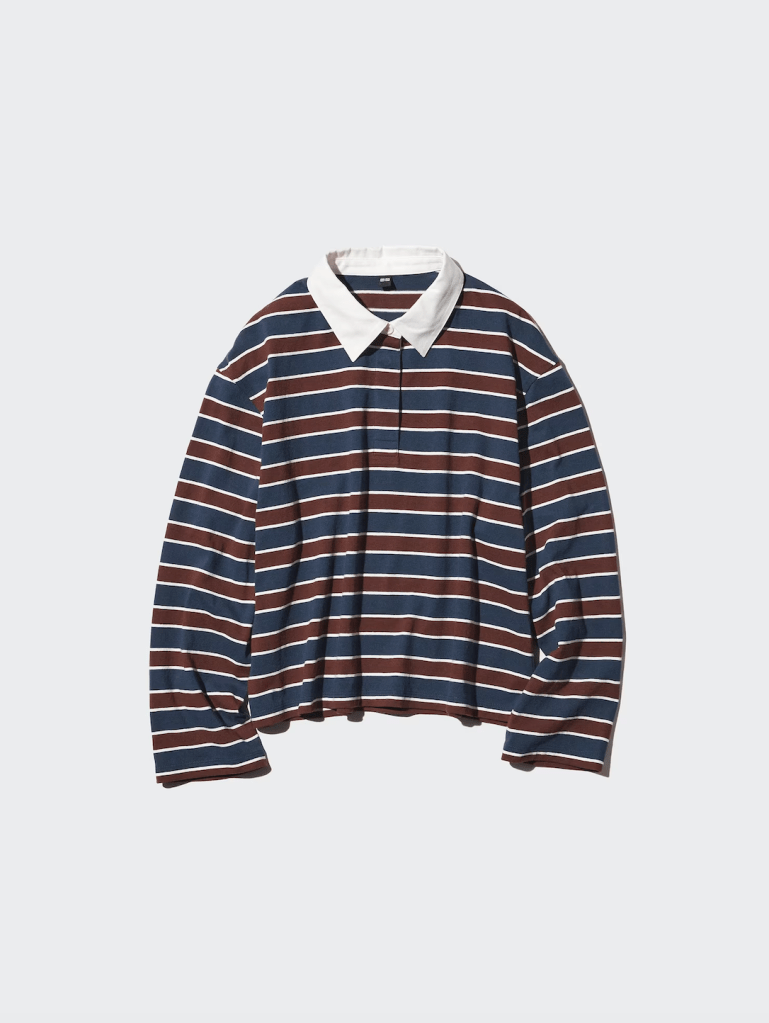
Uniqlo Shirt ($19.90)
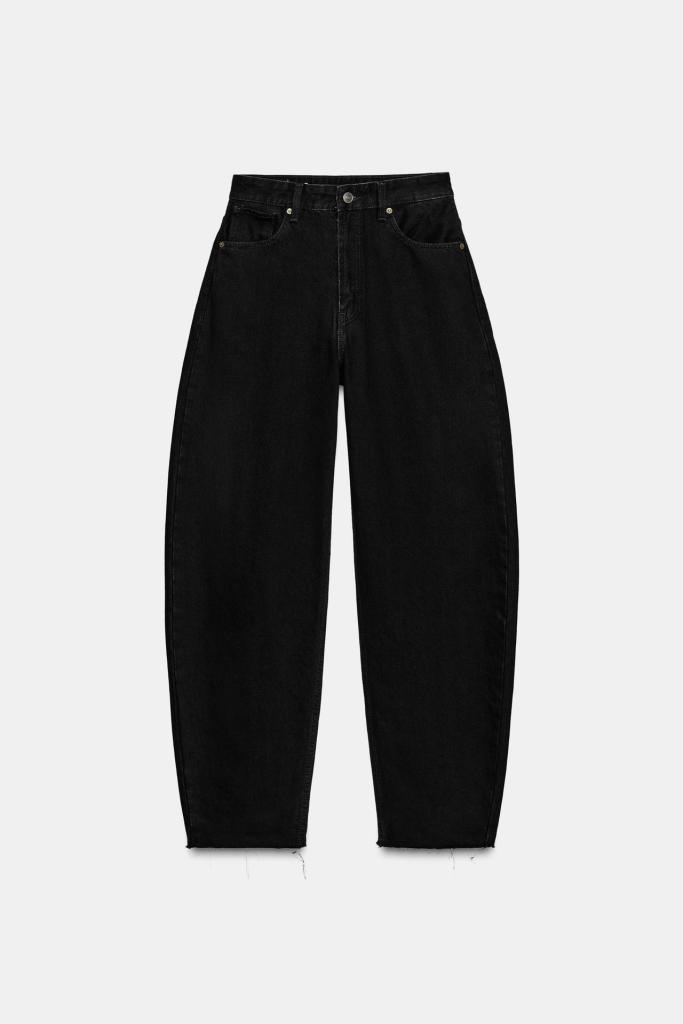
Zara Barrel Jeans ($59.90)
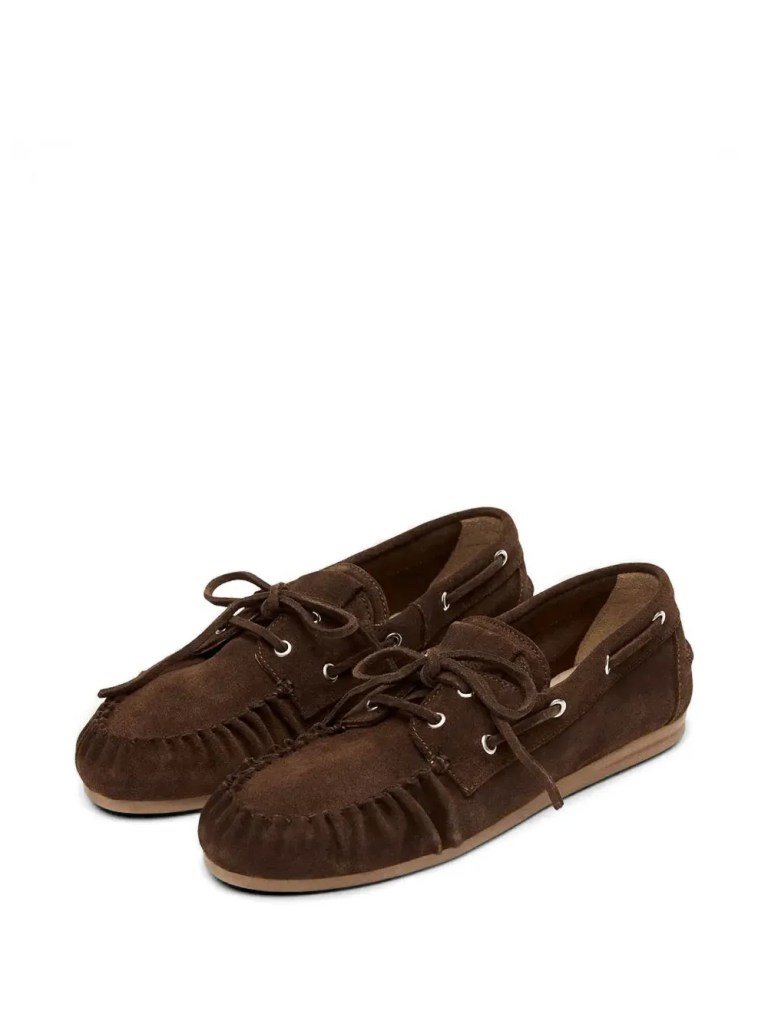
Alohas Loafers ($227)
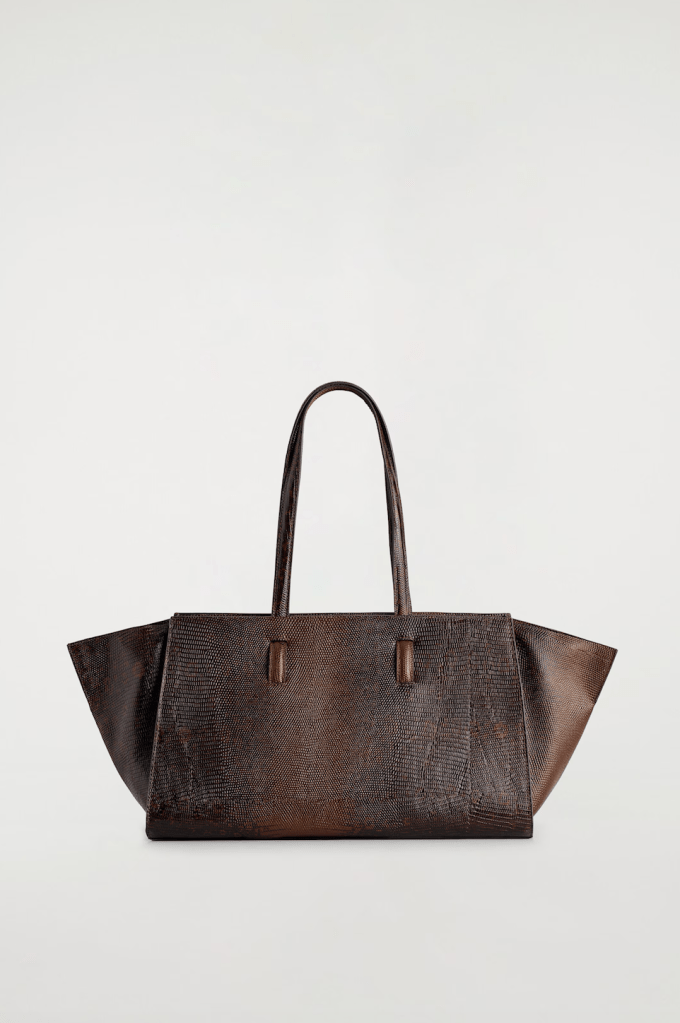
COS Bag ($329)
 mabou
mabou 
Leave a comment