Each Met Gala theme functions as a cultural temperature check. Some simply decorate the red carpet; others puncture the moment and expose deeper ideological currents. When placed beside earlier exhibitions such as Camp: Notes on Fashion (2019) and Heavenly Bodies: Fashion and the Catholic Imagination (2018), the current “fashion is art” framing feels notably subdued.
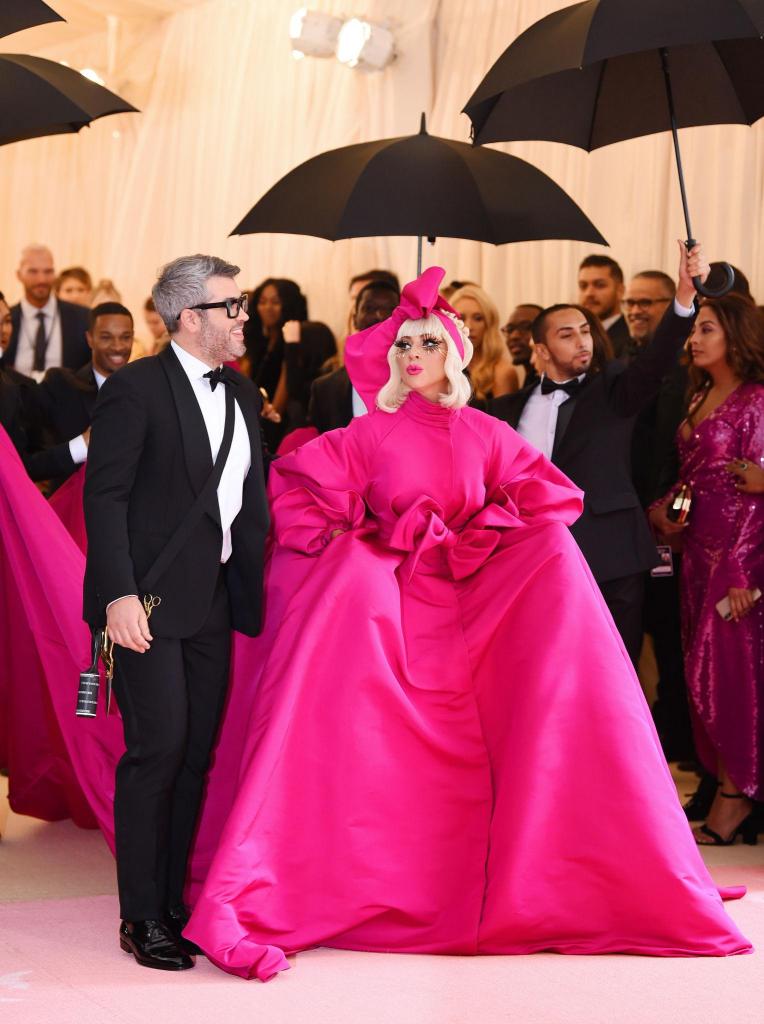
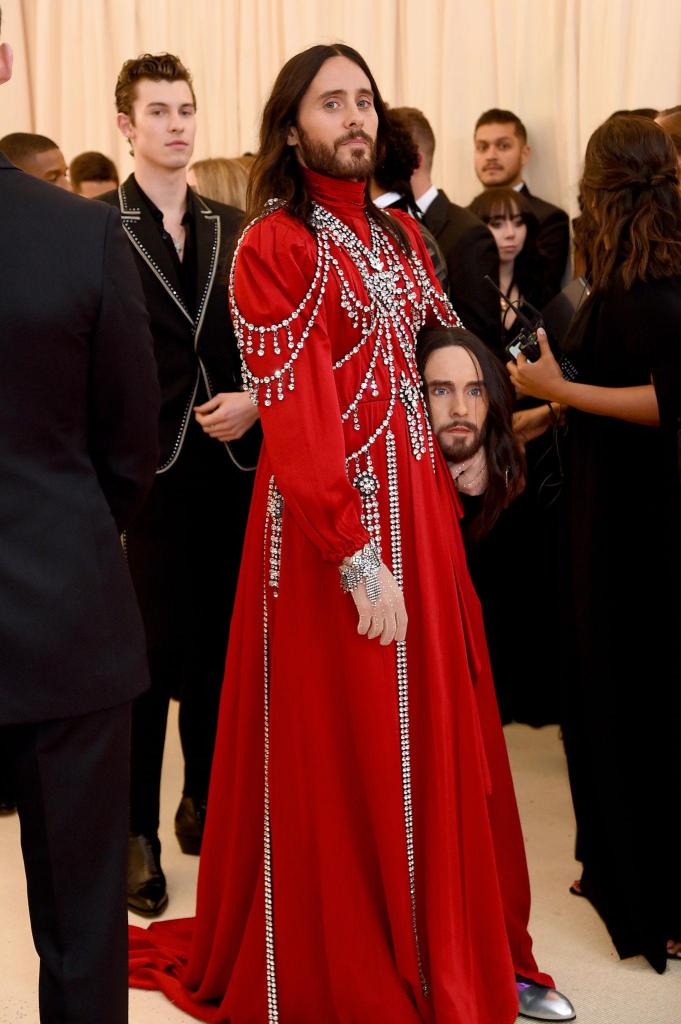
Camp, inspired by Susan Sontag’s 1964 essay, was not merely aesthetic, it was profundly theoretical. It foregrounded exaggeration, artifice, theatricality, and queer codes long dismissed as frivolous. In doing so, it legitimized a sensibility rooted in LGBTQ+ subculture at the very center of institutional power: the Metropolitan Museum of Art. The exhibition arrived in a politically charged climate marked by renewed debates over gender identity and queer visibility. Camp’s embrace of irony and performance became a subtle act of resistance. It reframed excess as intellect, parody as critique. On the red carpet, it liberated attendees from reverence; it rewarded wit, not piety.
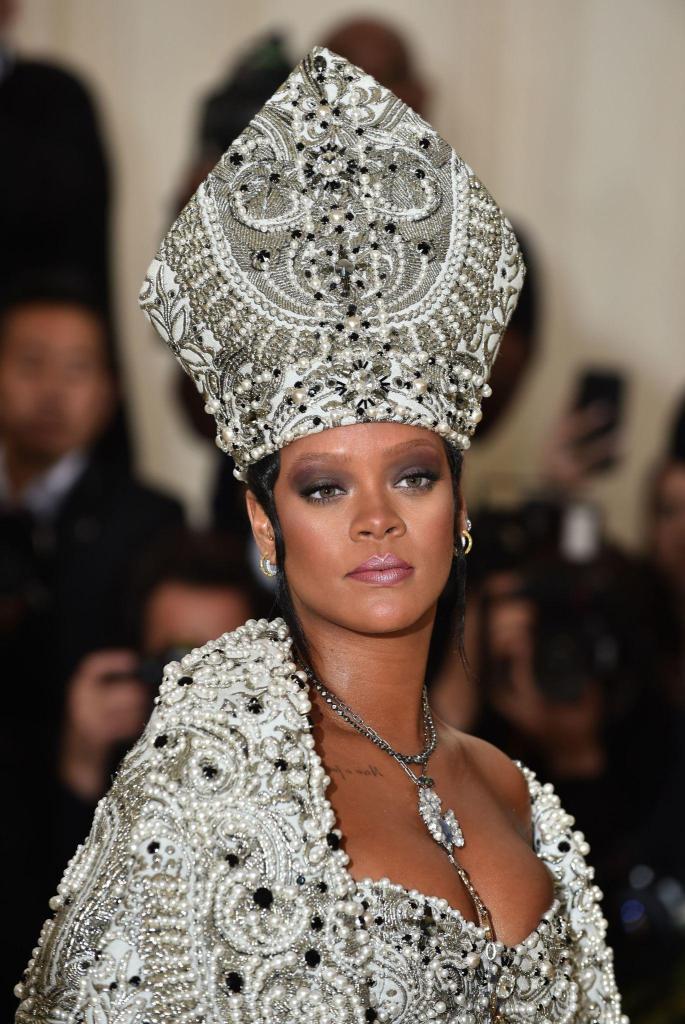
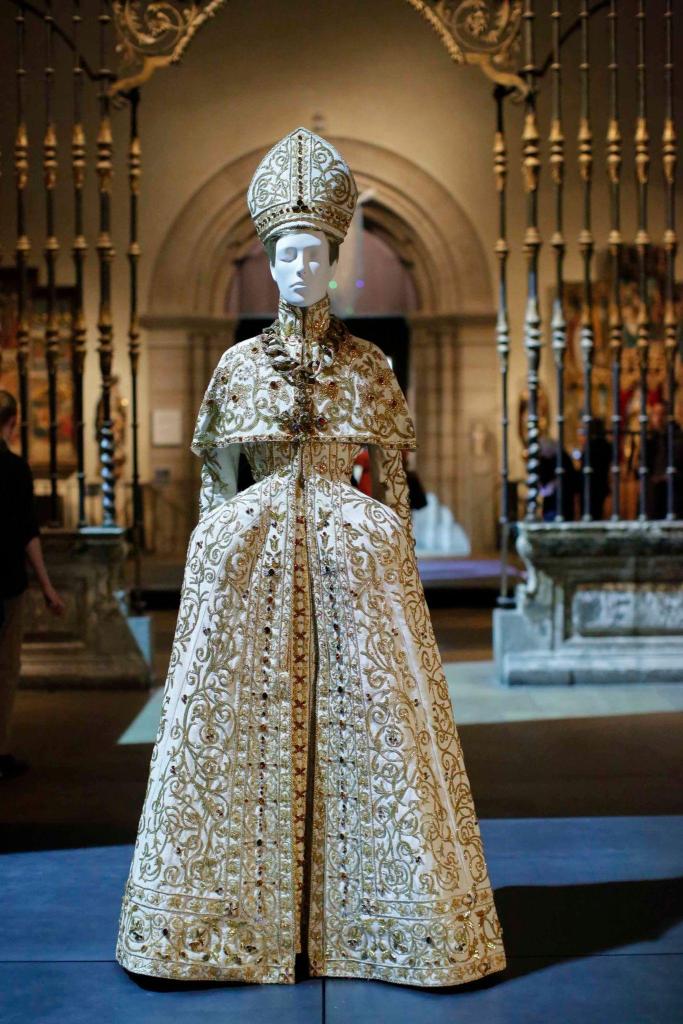
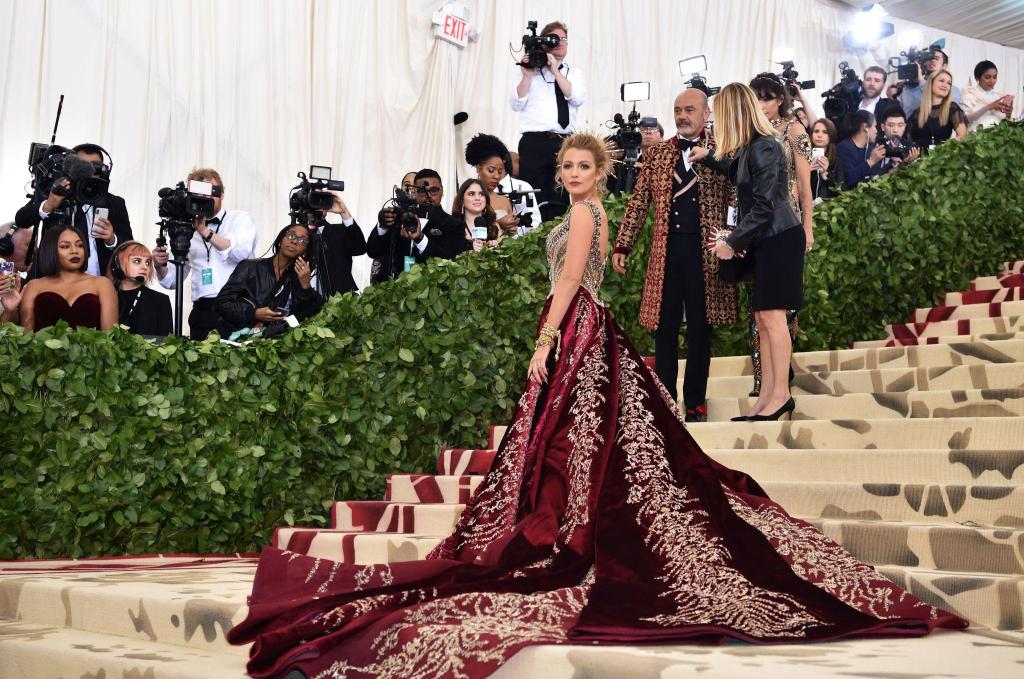
The year prior, Heavenly Bodies was even more consequential. By engaging Catholic iconography, papal vestments, ecclesiastical embroidery, relic-like adornment, it confronted the entanglement of fashion with organized religion, ritual, and power. The exhibition did not simply aestheticize Catholicism but it exposed how luxury and liturgy share visual languages of hierarchy and transcendence. At a time when the Church faced ongoing scrutiny over abuse scandals and political influence, the theme was both opulent and uncomfortable. It forced viewers to reconcile beauty with institutional authority. Attendance records were broken, but so were taboos.
Both themes operated with friction. They were specific, historically anchored, and culturally loaded. They invited interpretation but also demanded literacy. Designers had to choose: parody or devotion? Critique or homage? The red carpet became a stage for ideological signaling. Celebrities were not merely dressed; they were positioned within discourse.
By contrast, “fashion is art” dissolves tension rather than activating it. It affirms a hierarchy already established. Since the late twentieth century, the museumification of fashion: retrospectives of designers, archival acquisitions, scholarly catalogues, has institutionalized the claim. To reiterate it now feels less like intervention and more like consolidation.
Culturally, this shift mirrors a broader softening within luxury. After years of politicized branding, identity-forward messaging, and overt statements, many houses have pivoted toward discretion. The industry’s recent embrace of so-called quiet luxury signaled fatigue with spectacle and overt signaling. In that context, a theme asserting fashion’s artistic status reads as similarly calming, consensus-driven, non-confrontational, almost corporate.
Politically, the absence of friction is telling. Fashion today exists within urgent debates: sustainability, labor ethics, intellectual property in the age of AI, cultural appropriation. A theme like Camp indirectly addressed queer marginalization; Heavenly Bodies engaged religious authority. “Fashion is art” sidesteps comparable stakes. It elevates craft and creativity without interrogating the systems that produce them.
Even in terms of red-carpet outcome, the difference will likely be palpable. Camp encouraged exaggeration and satire: Jared Leto carrying his own head, Lady Gaga’s performative striptease. Heavenly Bodies produced devotional drama: Rihanna as papal sovereign in Maison Margiela. These moments entered visual history because they engaged the theme as argument. A generic art framing risks generating gowns that are merely beautiful rather than dialectical.
There is, of course, strategic logic in safety. The Met Gala underwrites the Costume Institute and broad themes minimize misinterpretation and maximize donor comfort. But the Gala’s cultural capital has historically derived from its willingness to flirt with discomfort. Specificity generates spectacle because it generates stakes.
Ultimately, the contrast reveals how themes function beyond aesthetics. Camp shifted the mainstream understanding of irony and queer excess. Heavenly Bodies collapsed the distance between sacred ritual and secular luxury. They did cultural work. “Fashion is art,” by comparison, performs confirmation. It tells us what we already accept. And for an institution that has repeatedly proven its ability to provoke, affirmation feels like a quieter, more cautious choice. Maybe I will be surprised, but I doubt it.
 mabou
mabou 
Leave a comment