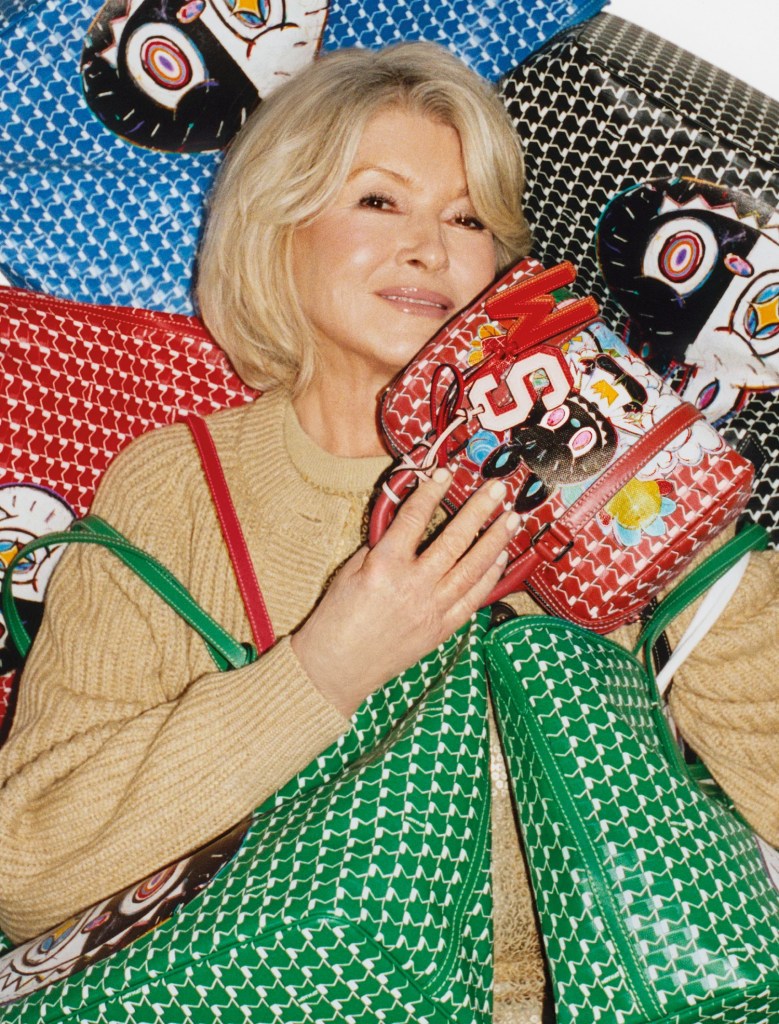
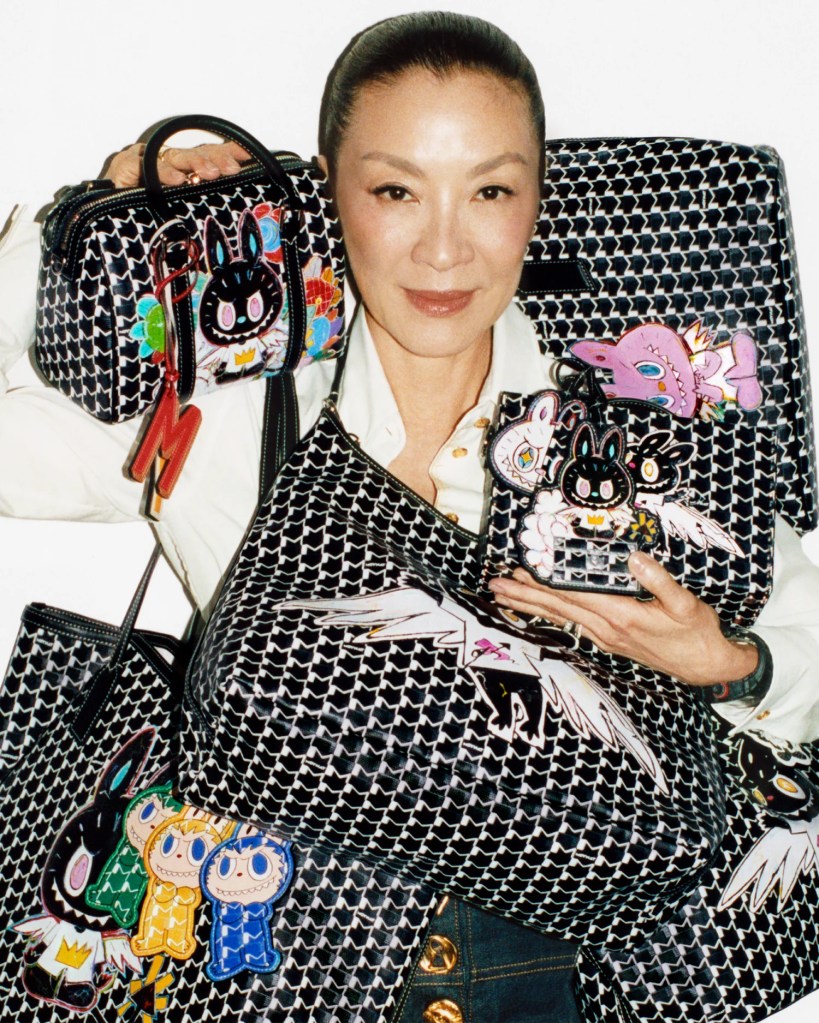
The recent collaboration between Moynat and Hong Kong artist Kasing Lung arrives at a moment when the boundaries between collectible culture and luxury have never been more porous. The partnership introduces limited-edition bags animated by Lung’s universe, most notably Labubu, whose cryptic charm has evolved into a global collector’s obsession. At first glance, the series is playful; at a deeper level, it signals a recalibration in how a heritage maison positions itself within the increasingly cross-pollinated world of contemporary cultural capital.
Founded in 1849, Moynat has always been a maison of quiet confidence. Its legacy rests on rigor more than on spectacle: hand-crafted trunks, sculptural leatherwork, and the sort of artisanal discipline that appeals to purists more than passersby. For decades, Moynat has occupied a discreet, almost monastic, corner of French luxury: admired by those who sought understatement rather than ubiquity. That understated lineage remains rare currency in a market saturated with symbols of accelerated branding.
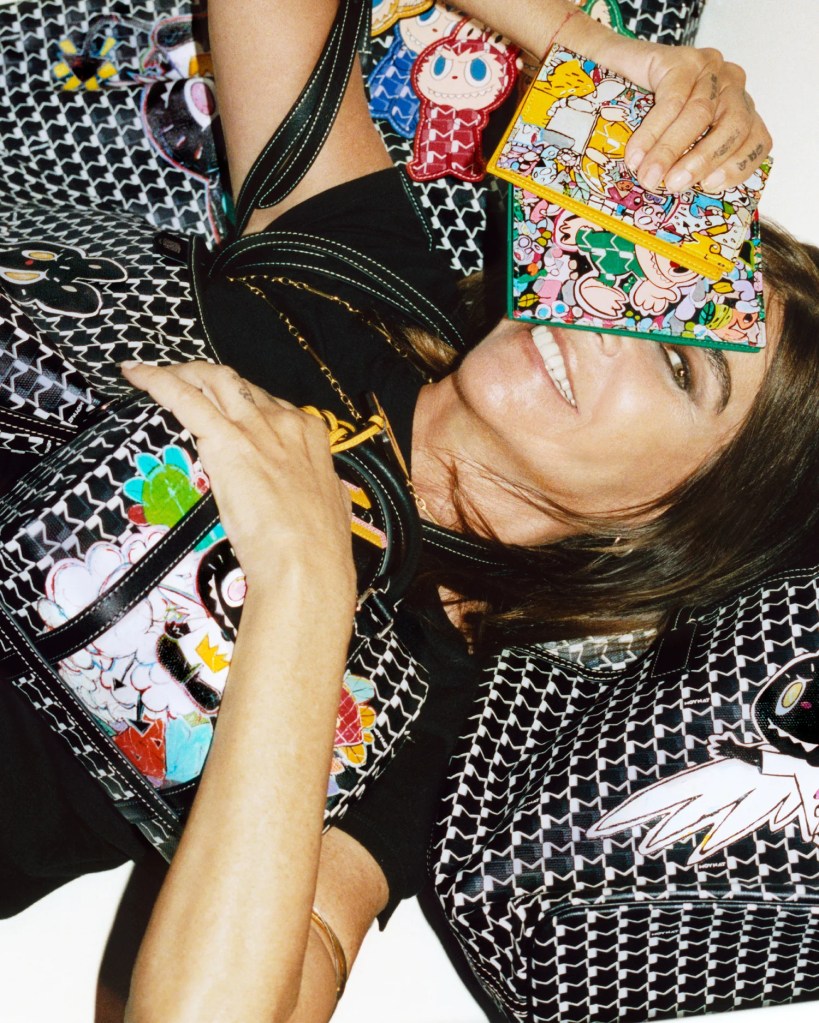
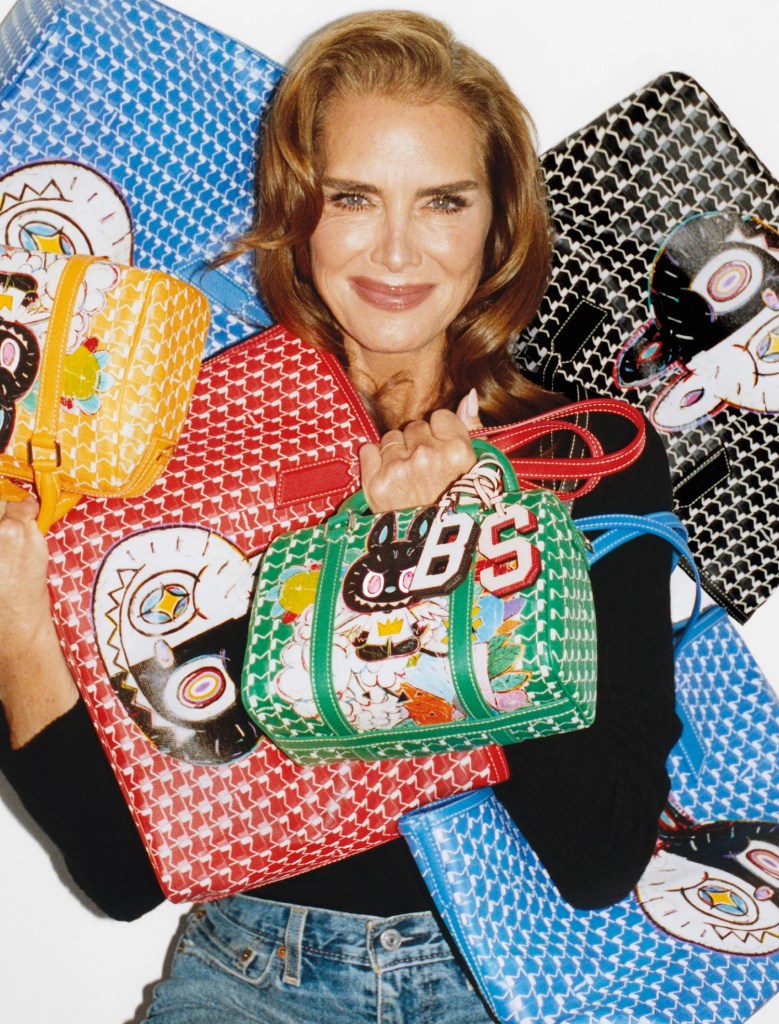
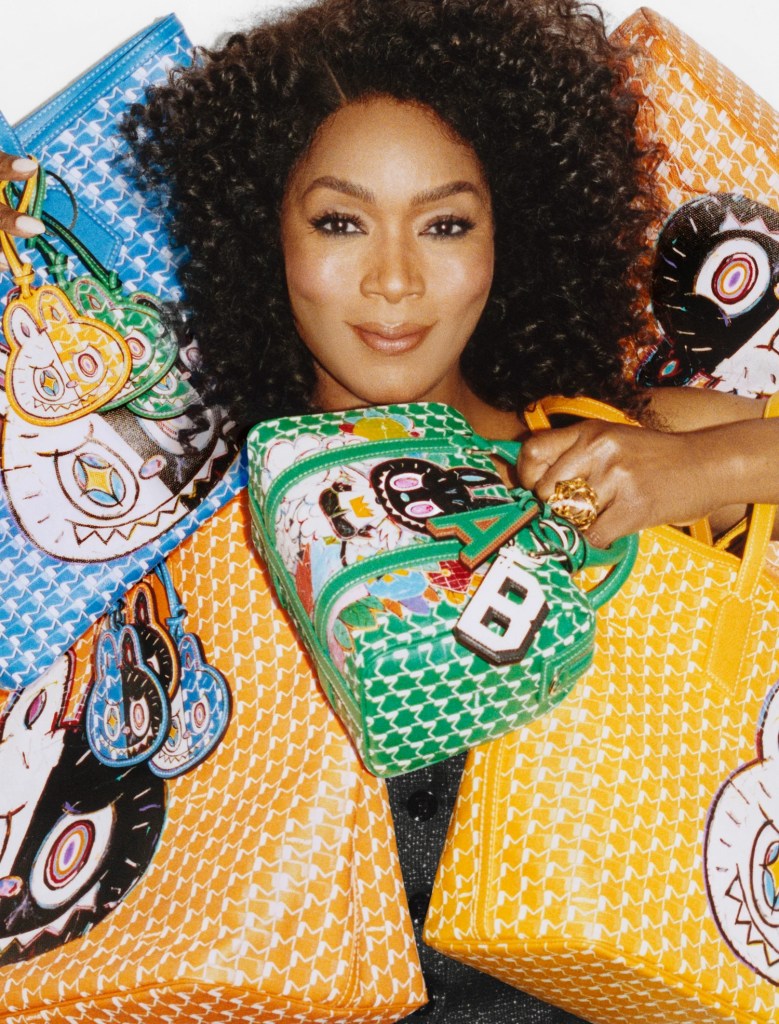
Yet silence, in today’s luxury landscape and market, risks invisibility. As cultural attention becomes a valuable asset in its own right, maisons with rich archives but limited digital resonance must find new pathways into contemporary conversation. The challenge for Moynat is not relevance since its savoir-faire is timeless, but visibility: how to articulate its DNA in a world structured by fandom, immediacy, and emotionally driven consumption. That tension sets the stage for Kasing Lung’s entrance.
Lung’s work has always played with the threshold between innocence and unease. Characters like Labubu evoke childhood nostalgia filtered through surrealism, immediately recognizable yet emotionally ambiguous. What began within Asia’s designer-toy subculture has grown into a global collector ecosystem sustained by drops, lotteries, and speculative demand. Labubu is no longer simply an art toy, it sits at the crossroads of pop mythology and alternative luxury, functioning as a marker of insider cultural fluency.
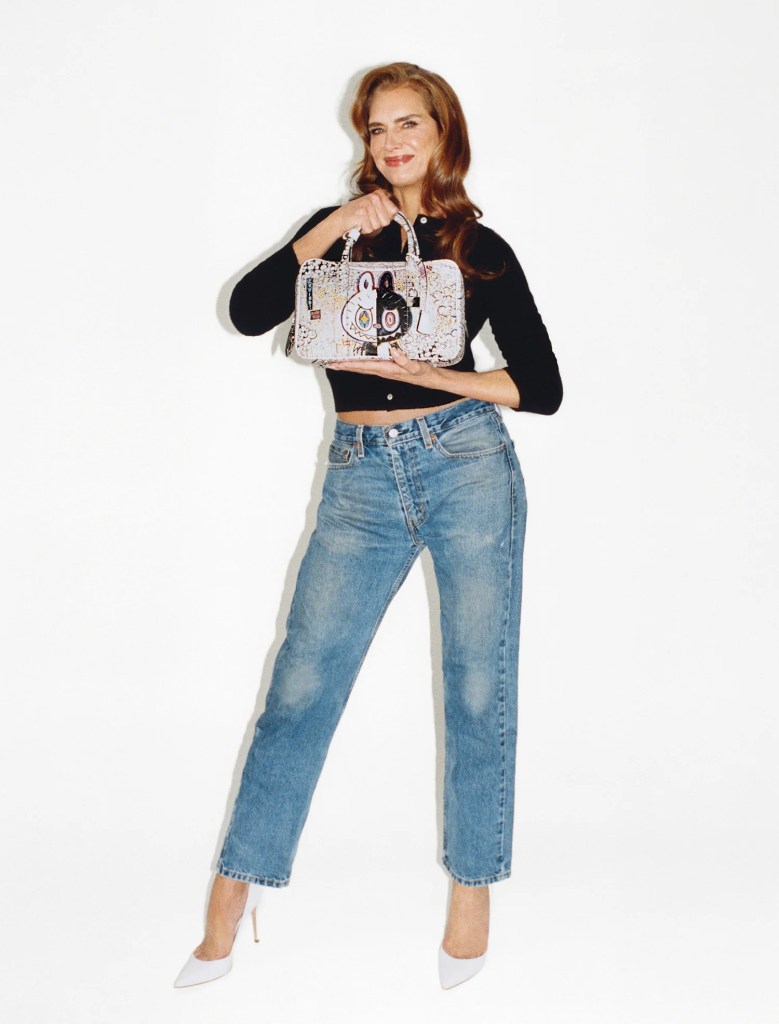
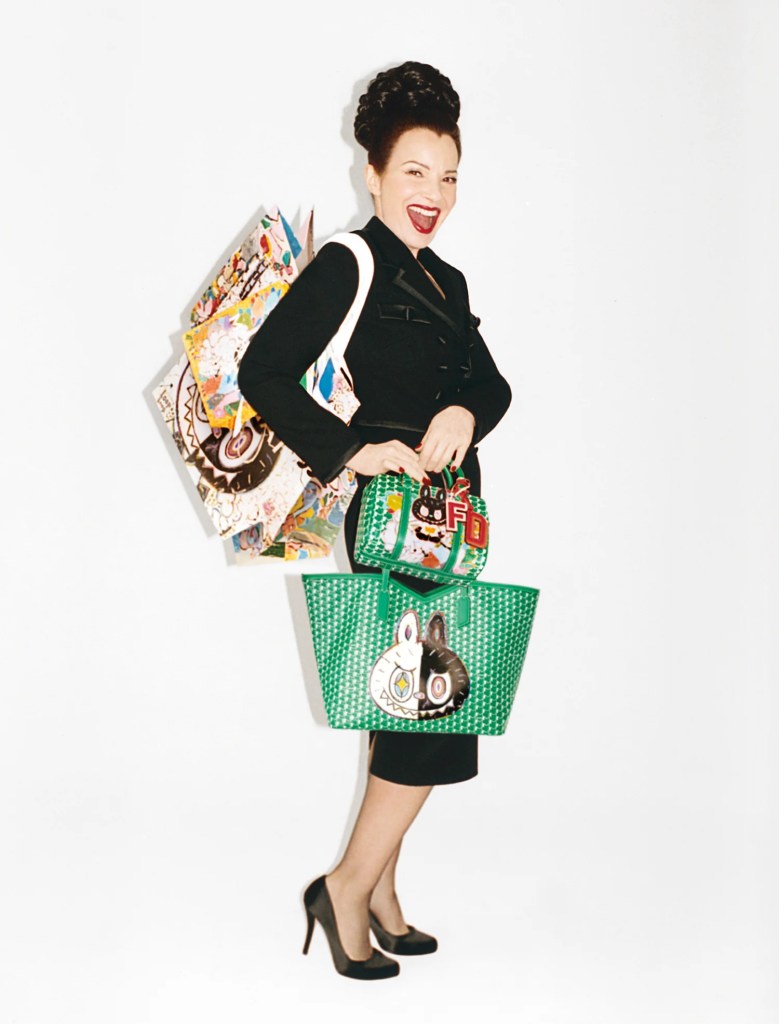
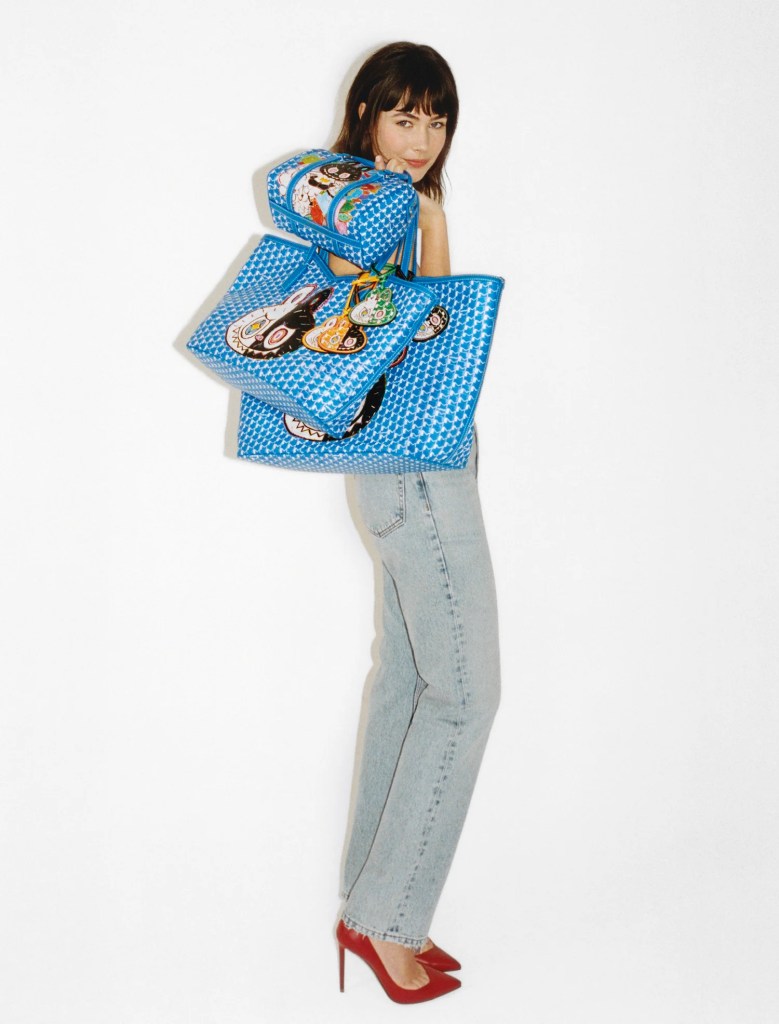
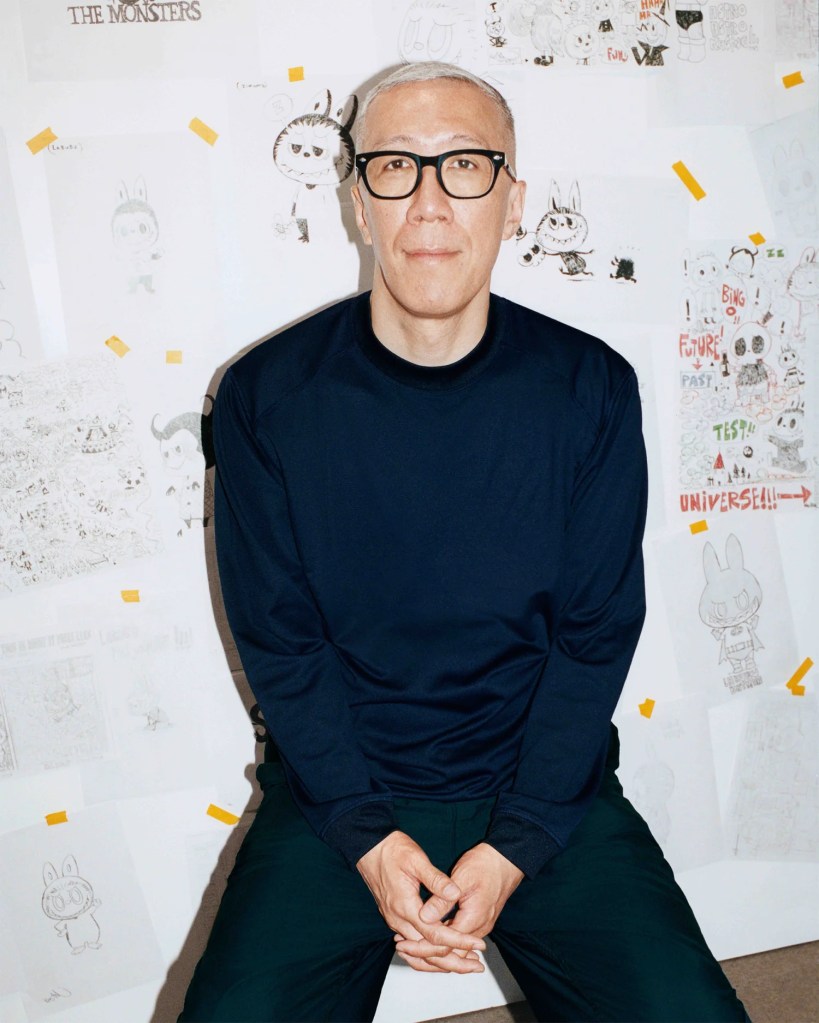
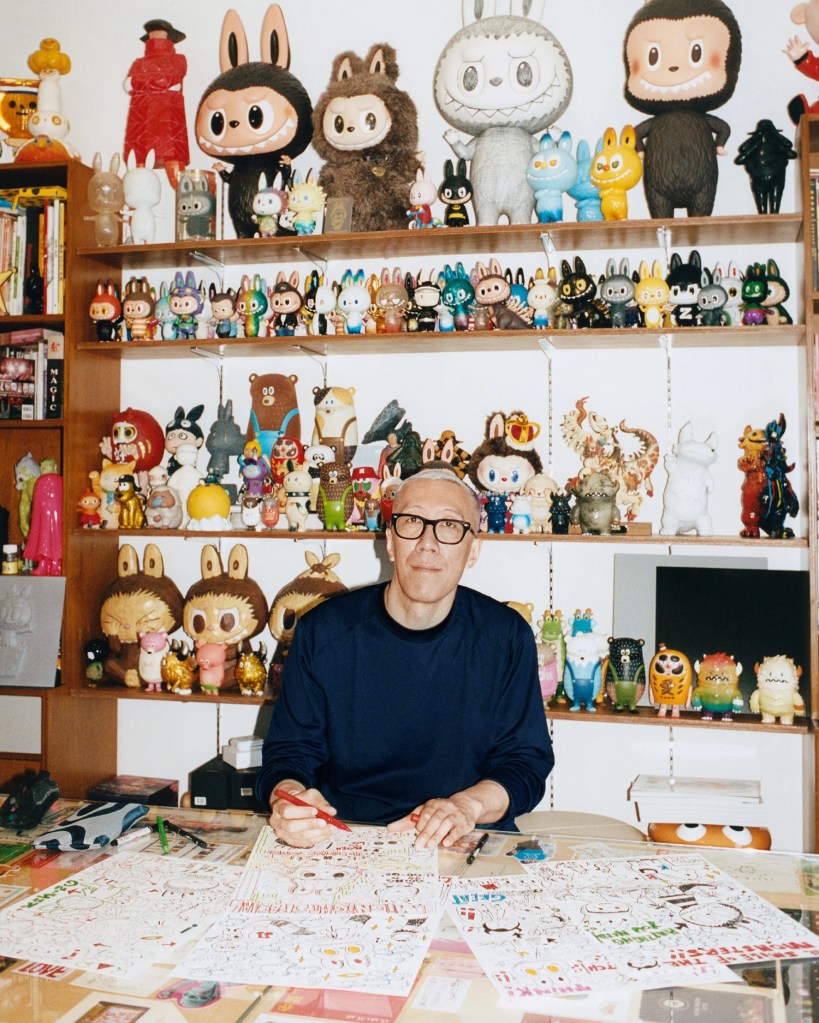
This makes the Moynat x Lung collaboration strategically sophisticated. By integrating a character with established cult appeal onto its classic silhouettes, Moynat accesses a demographic it historically did not court: younger, digitally native collectors whose cultural identity is shaped by hybrid references at the intersection of streetwear, art toys, gaming aesthetics, and community-driven narratives. These consumers do not buy luxury to “have” but to belong, to signal aesthetic literacy, to participate in meaning. The collaboration thus allows Moynat to recast its heritage through a contemporary emotional grammar.
The market potential is significant. Asia, particularly Mainland China, Hong Kong, Taiwan, and Southeast Asia, has demonstrated robust appetite for limited-edition collectibles, with crossover demand between luxury and art toys expanding rapidly. This collaboration positions Moynat to capture a segment of affluent millennials and Gen Z buyers who value storytelling over status, playfulness over solemnity, and exclusivity as an experience rather than a hierarchy. It also widens Moynat’s visibility in a region where Kasing Lung already commands formidable cultural presence and resale-market momentum.
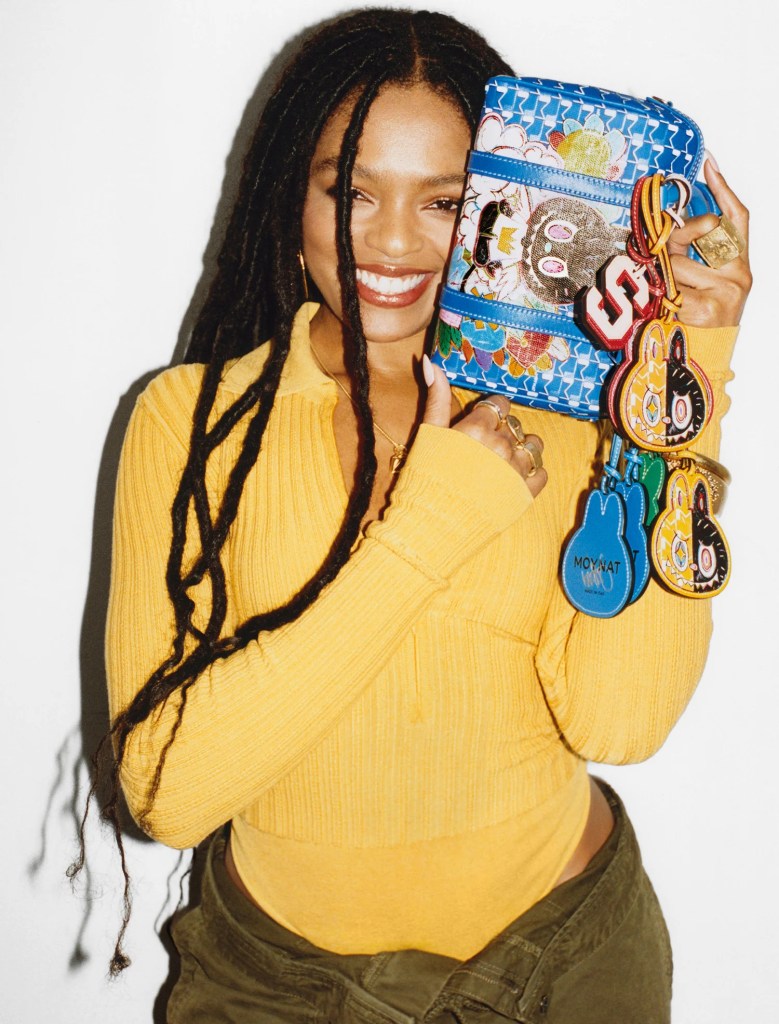
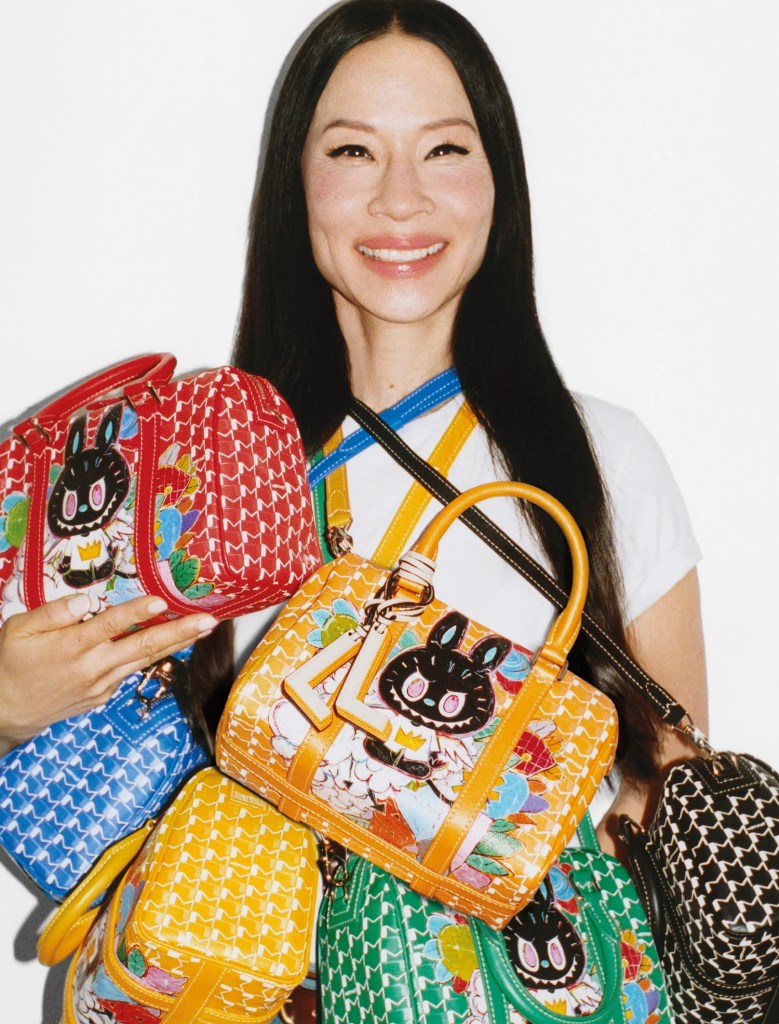
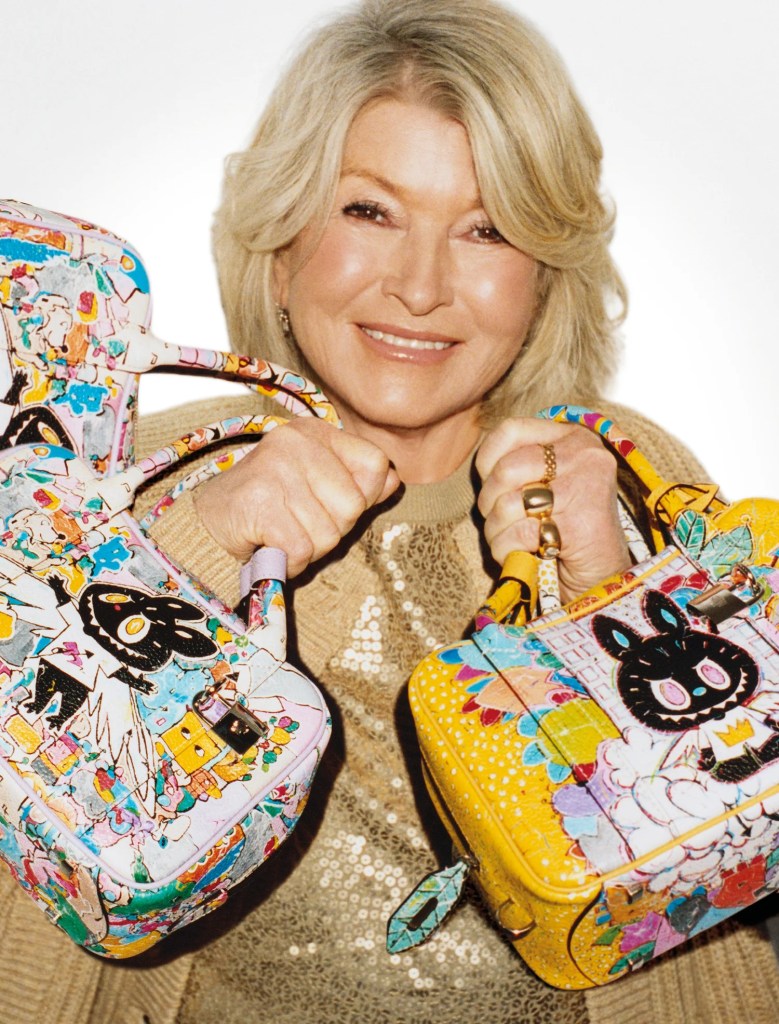
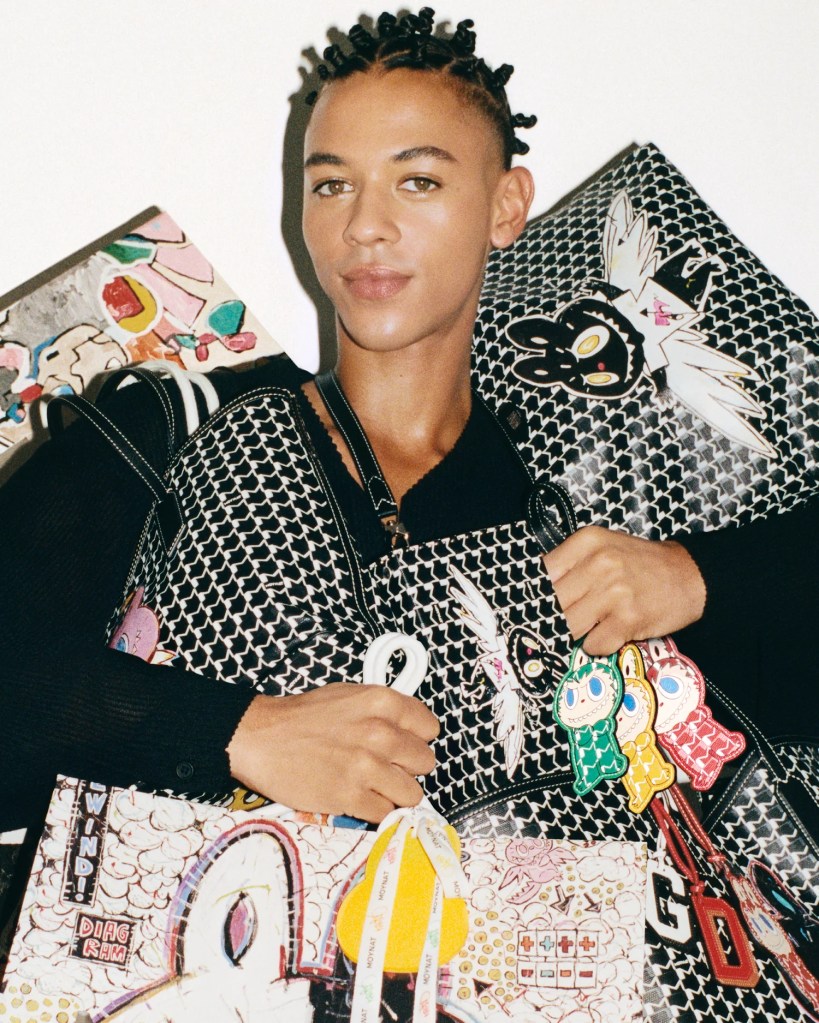
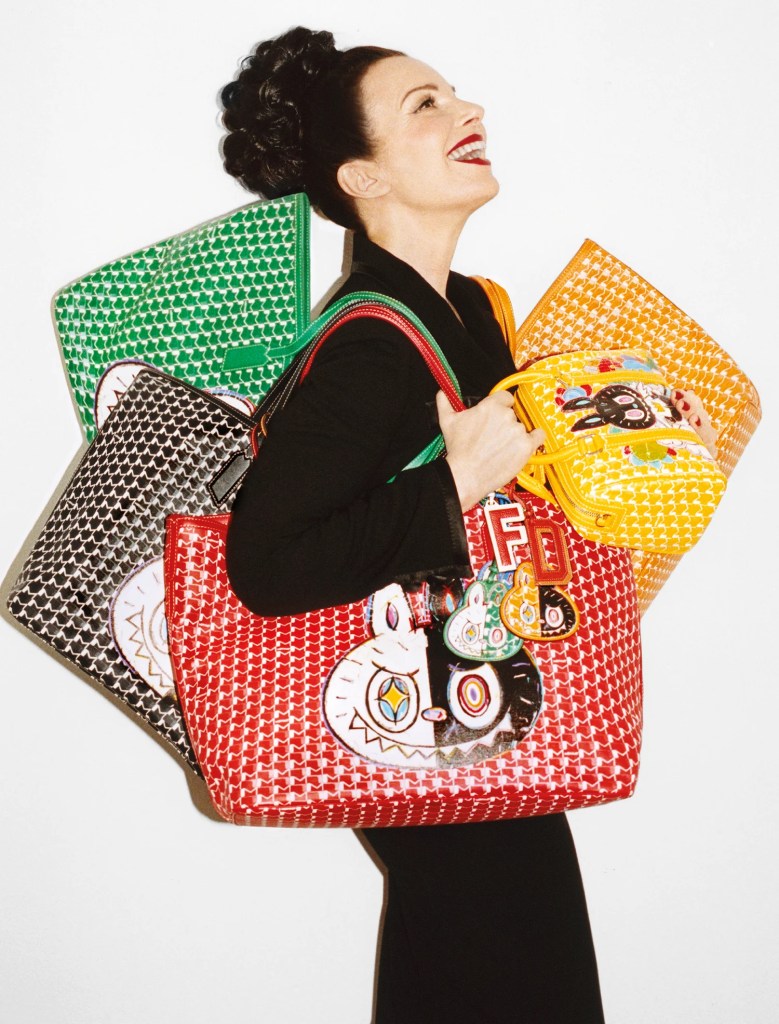
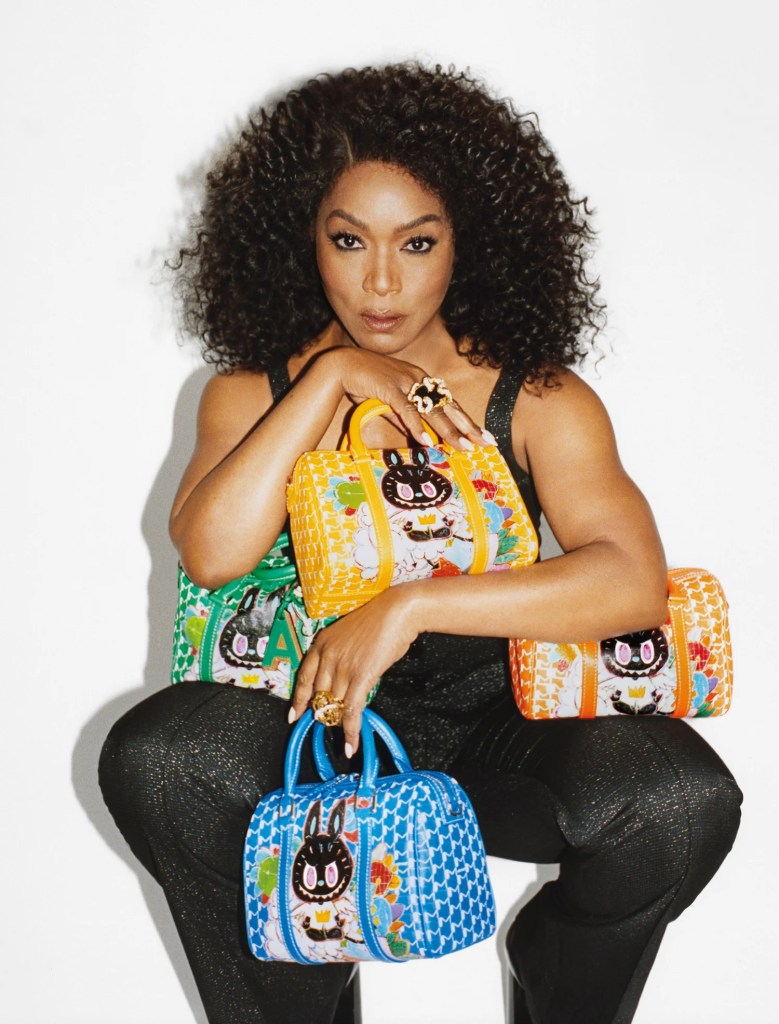
For Lung, the partnership offers a vertical expansion of his artistic universe. Aligning with a storied French maison transforms his work from collectible item to cultural artifact, granting him entry into a luxury environment that historically validated artists through craftsmanship and permanence. His characters now inhabit a medium where artisanship amplifies narrative rather than commodifies it, a dynamic more aligned with contemporary expectations of what artist–maison collaborations should achieve.
What this collaboration articulates, quietly but decisively, is a shift in how luxury perceives and deploys cultural relevance. We are witnessing a migration from logo-centric desirability to meaning-centric desirability. Younger audiences seek brands that function as cultural interlocutors, not merely manufacturers of high-end goods. They gravitate toward collaborations that feel intentional, symbiotic, and emotionally resonant. Moynat’s move toward this ecosystem is less about chasing trends and more about acknowledging that luxury today is defined not solely by craft, but by the stories and subcultures it chooses to honor.
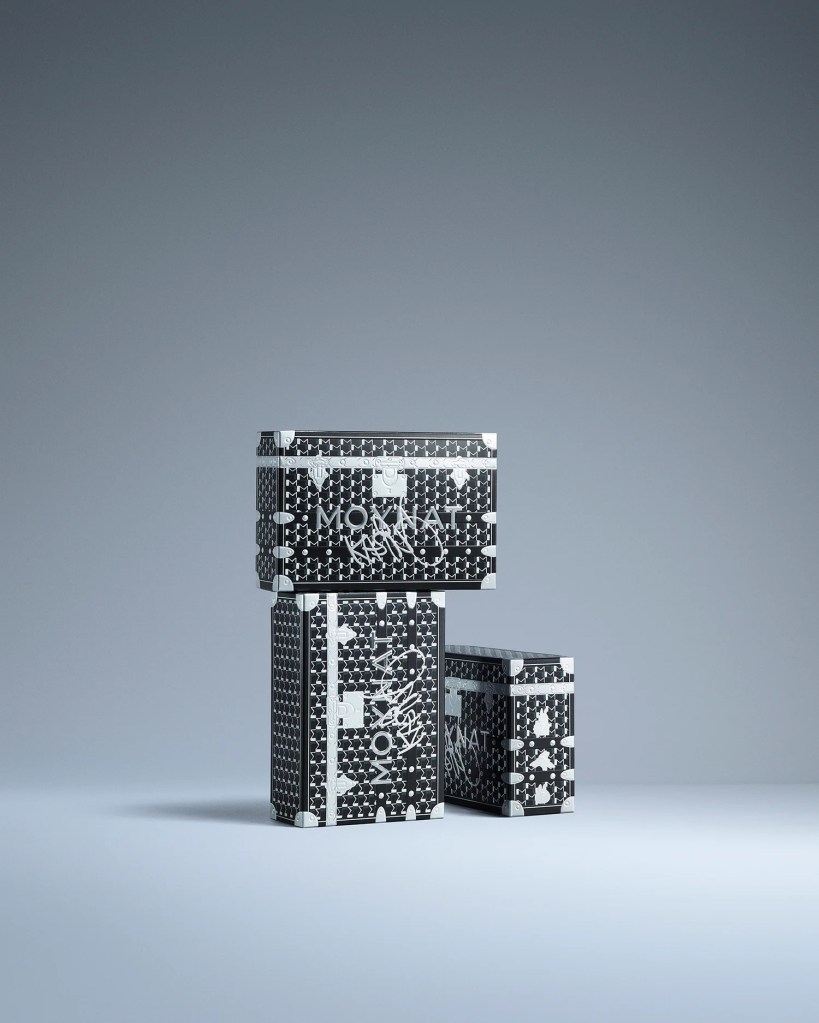
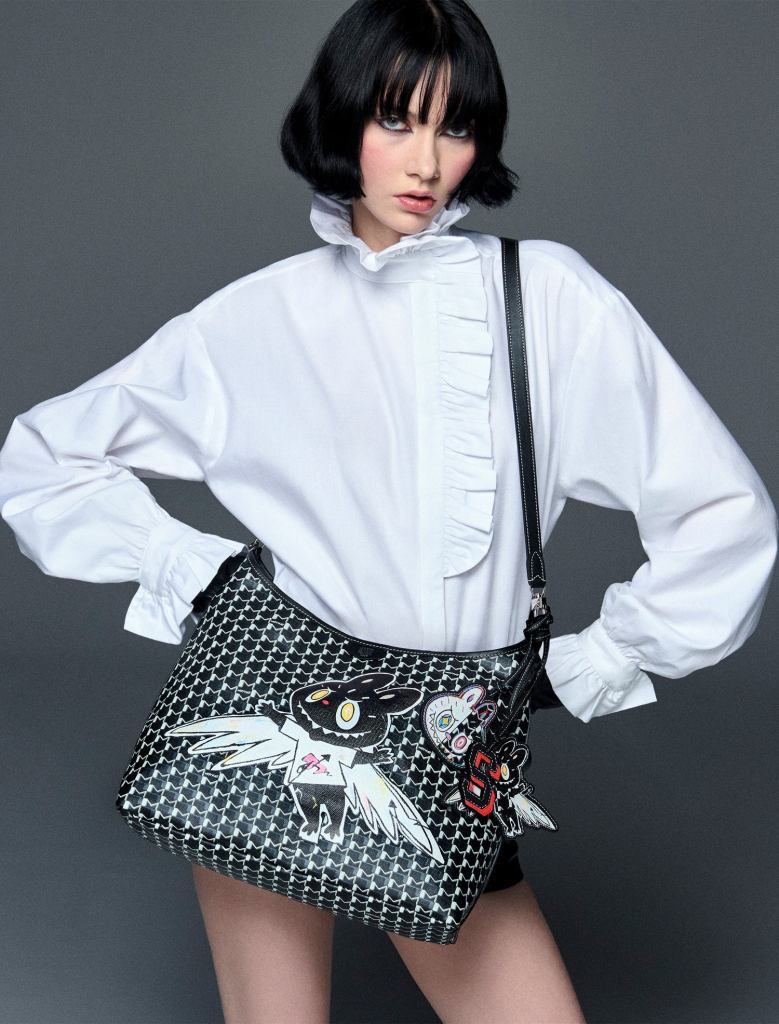
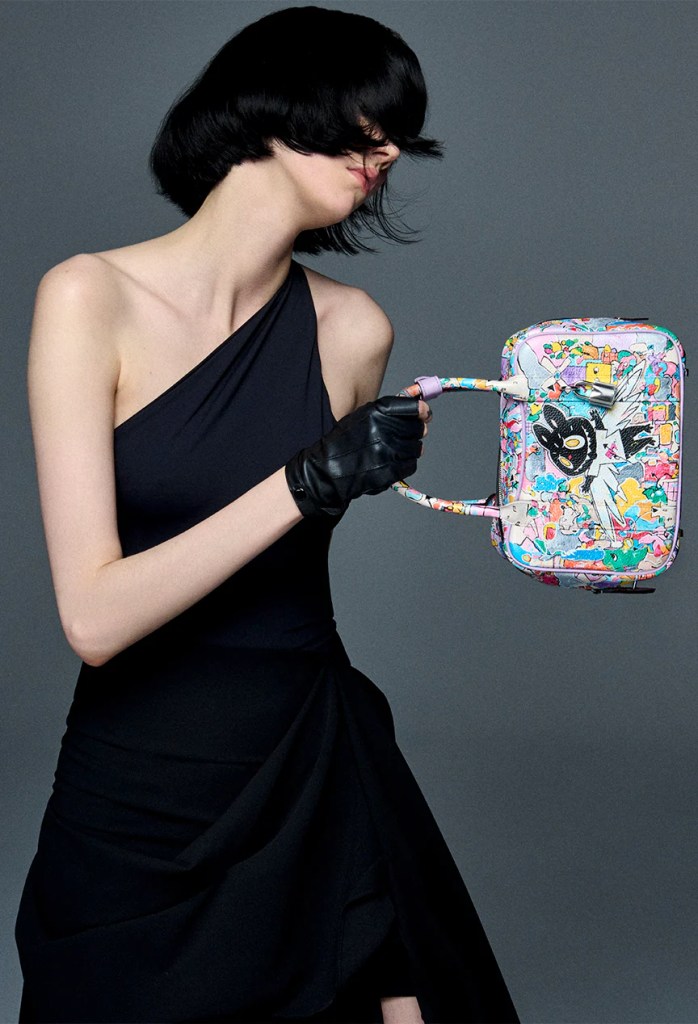
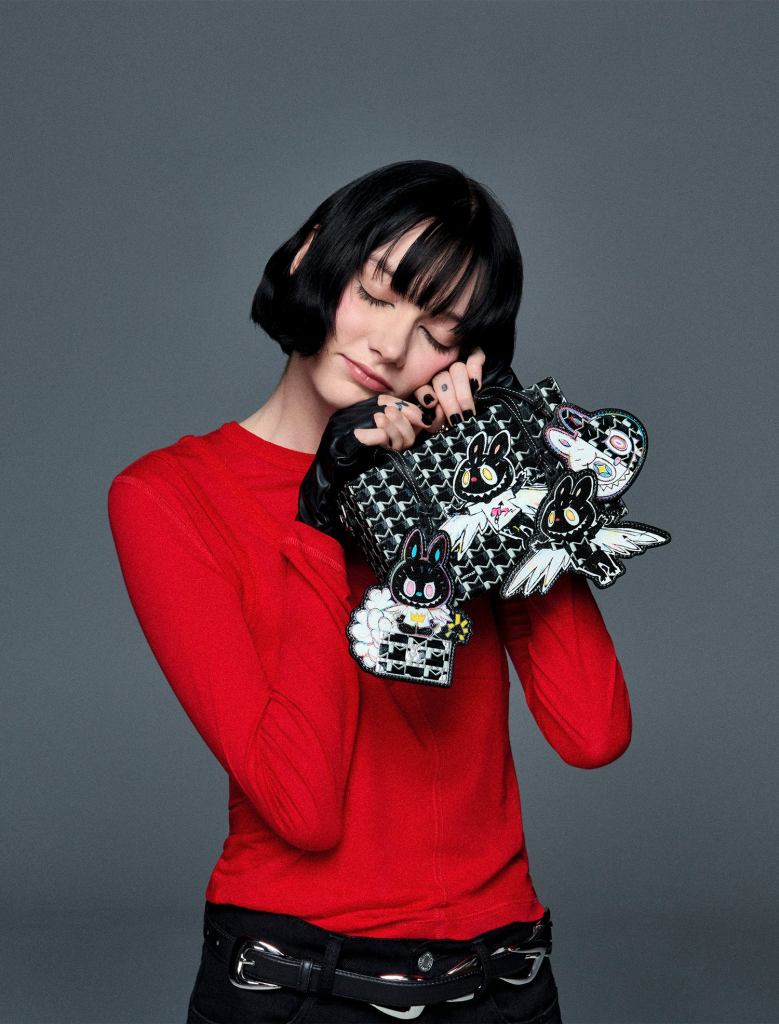
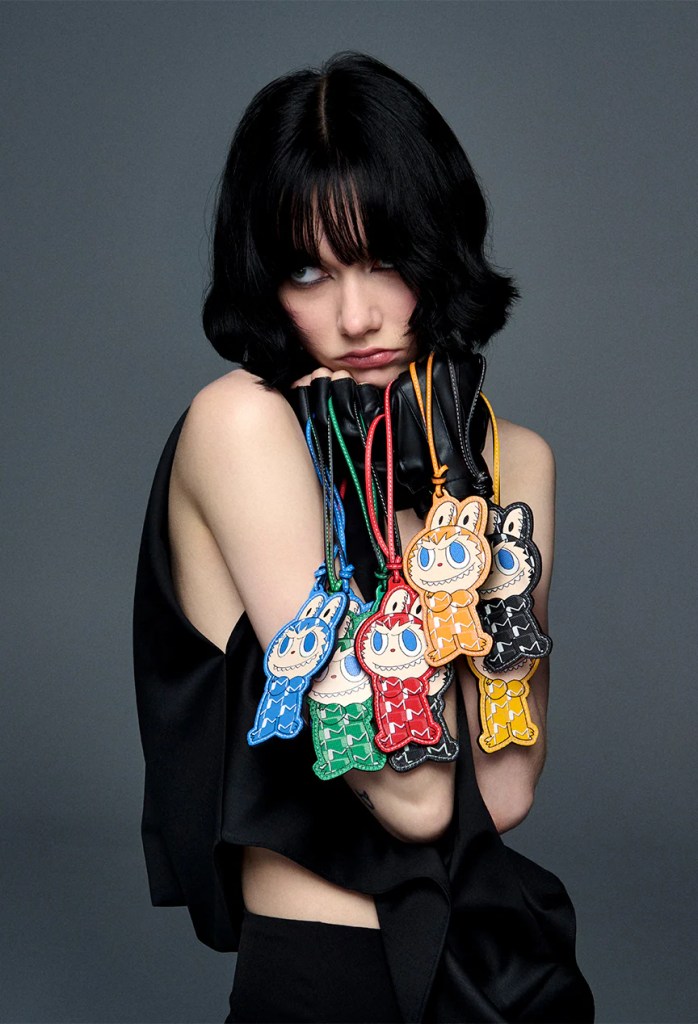
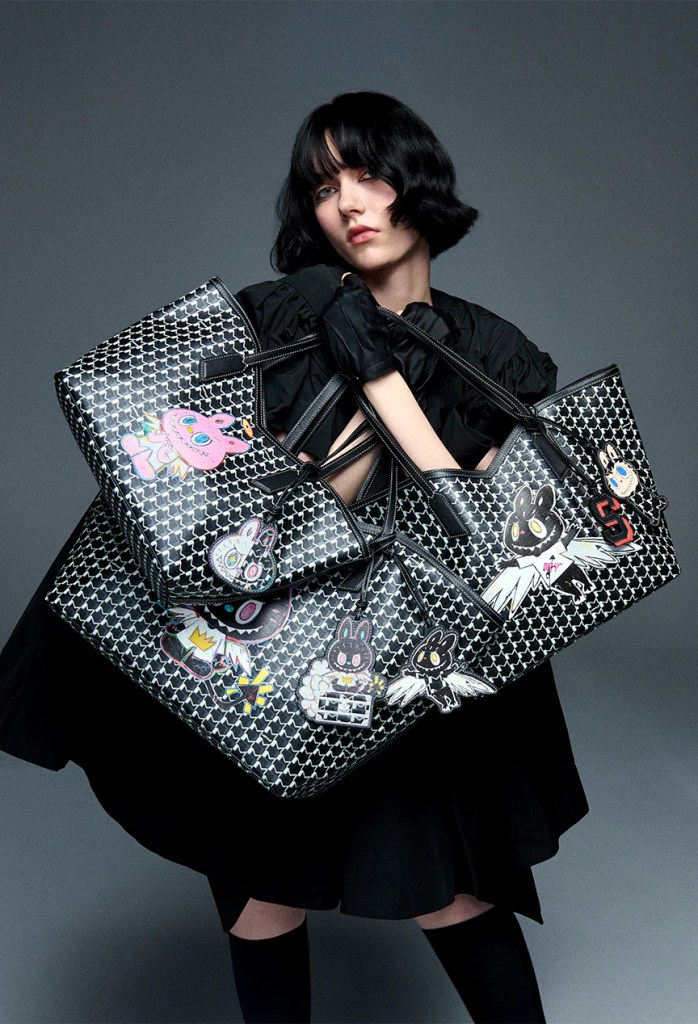
Economically, the collaboration aligns Moynat with the rise of collectible-driven value creation, a model where scarcity, emotional attachment, and community amplify both primary and secondary market performance. Culturally, it underscores an evolution in artist x maison collaborations: they are no longer decorative additions but strategic dialogues between heritage and contemporary myth-making. When executed thoughtfully, they enable maisons to expand their semiotic vocabulary without compromising authenticity.
Ultimately, the Moynat x Kasing Lung collaboration illustrates how a house renowned for its discretion can step into contemporary cultural momentum without sacrificing its identity. Moynat does not become louder but more legible to a generation fluent in hybridity, play, and symbolic meaning. In this sense, the collaboration is not merely a product release: it is a reorientation, a cultural gesture, and a quiet assertion that heritage and imagination can coexist, creating new relevance for an audience eager for luxury that speaks to both history and wonder.
 mabou
mabou 
Leave a comment