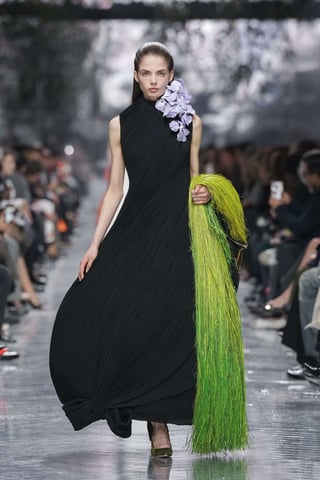
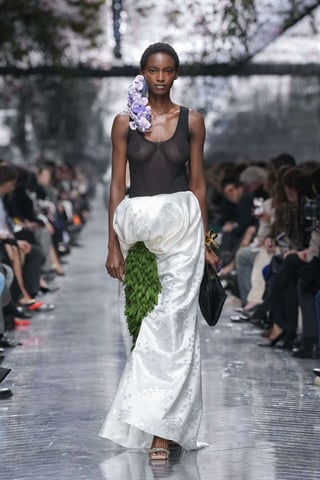
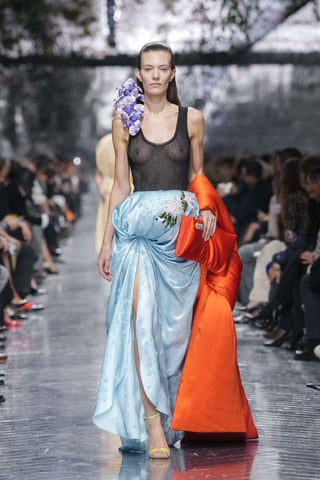
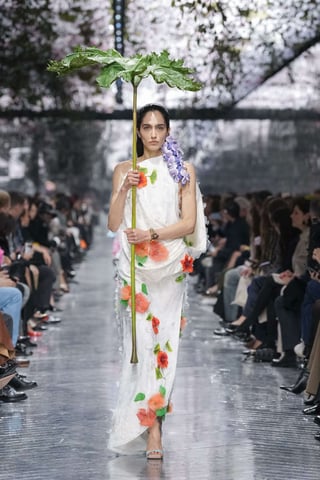
When Dior’s haute couture emerged into the winter gardens of the Musée Rodin this January, it felt like a living tableau, a choreography of silhouette and substance that felt at once intimate and monumental. Set against the storied limestone and verdant sculpture paths of Rodin’s Parisian sanctuary, Jonathan Anderson’s Spring/Summer 2026 haute couture collection unfurled like a secret language of form: garments articulated as sculptural embodiments of body and spirit, a poetic alliance between nature and the epitome of human genius.
This was couture by choreography: dresses with voluminous skirts that rustled like leaves in a breeze, bodices that curved and pulled with an almost architectural logic, and silk chiffons that drifted like whispers through sunlit groves. The atmosphere was intoxicating, floral yet austere, ceremonial yet spontaneous, as though the very air had been distilled to carry the essence of the Dior Ateliers craftsmanship.
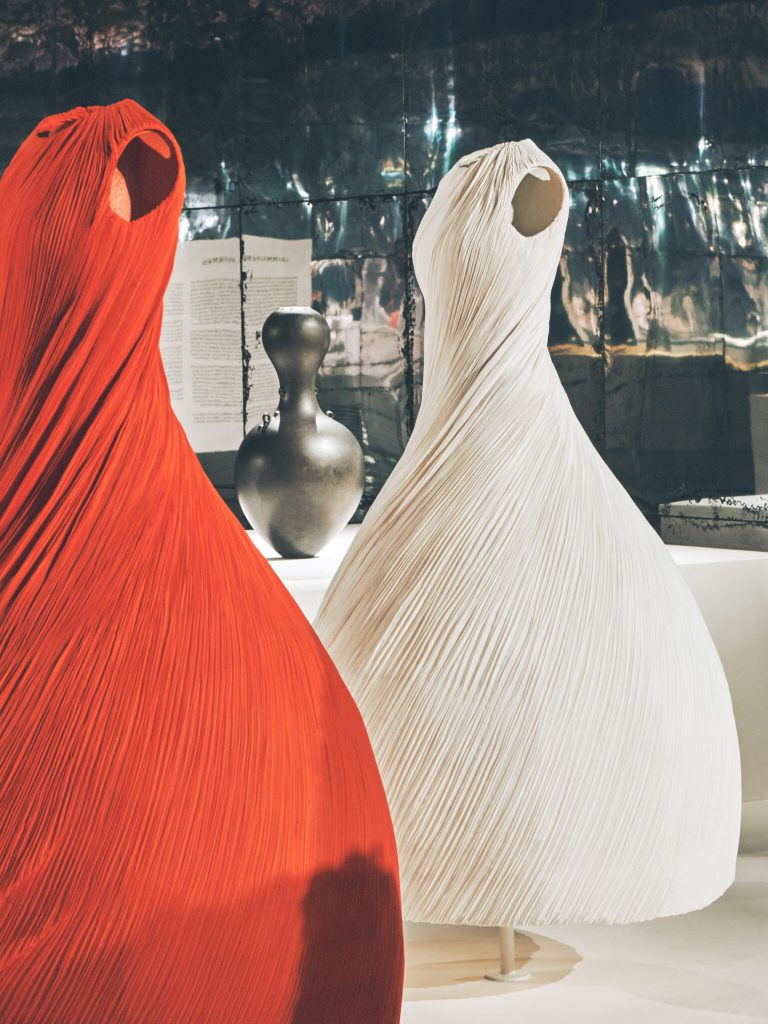
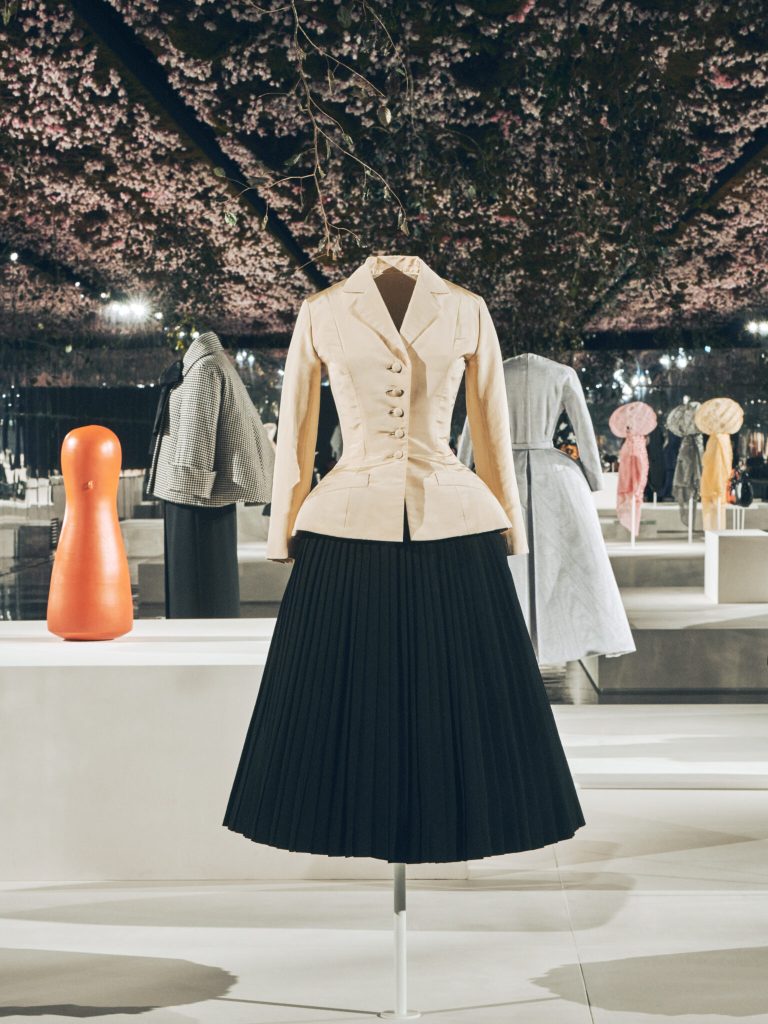
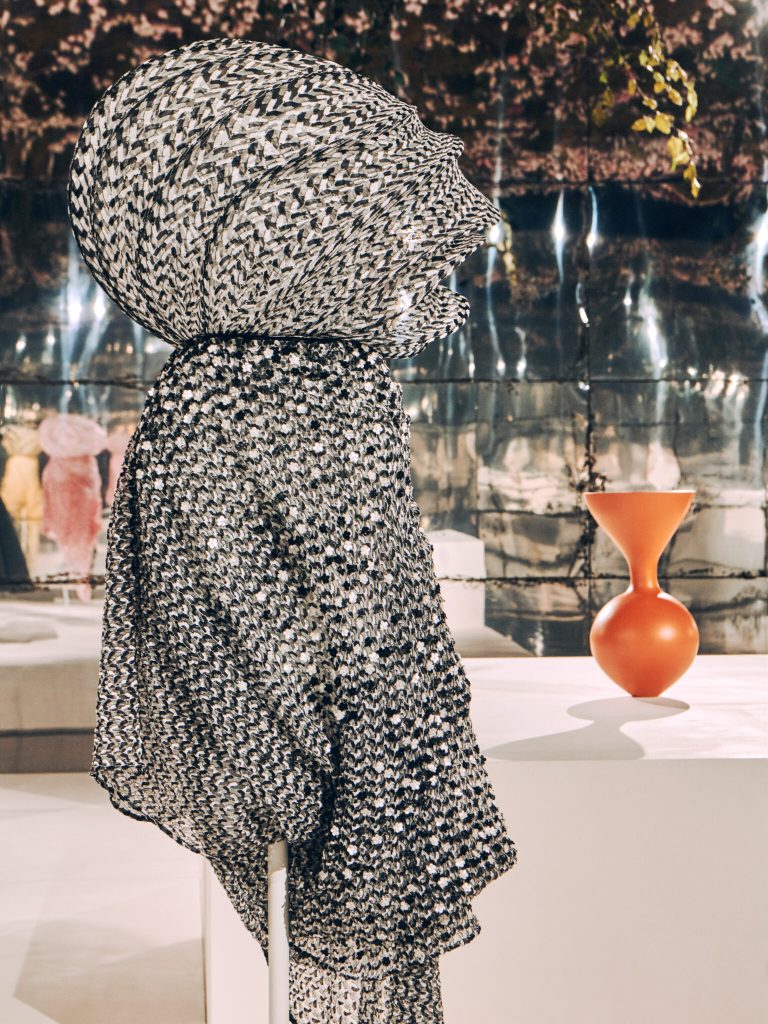
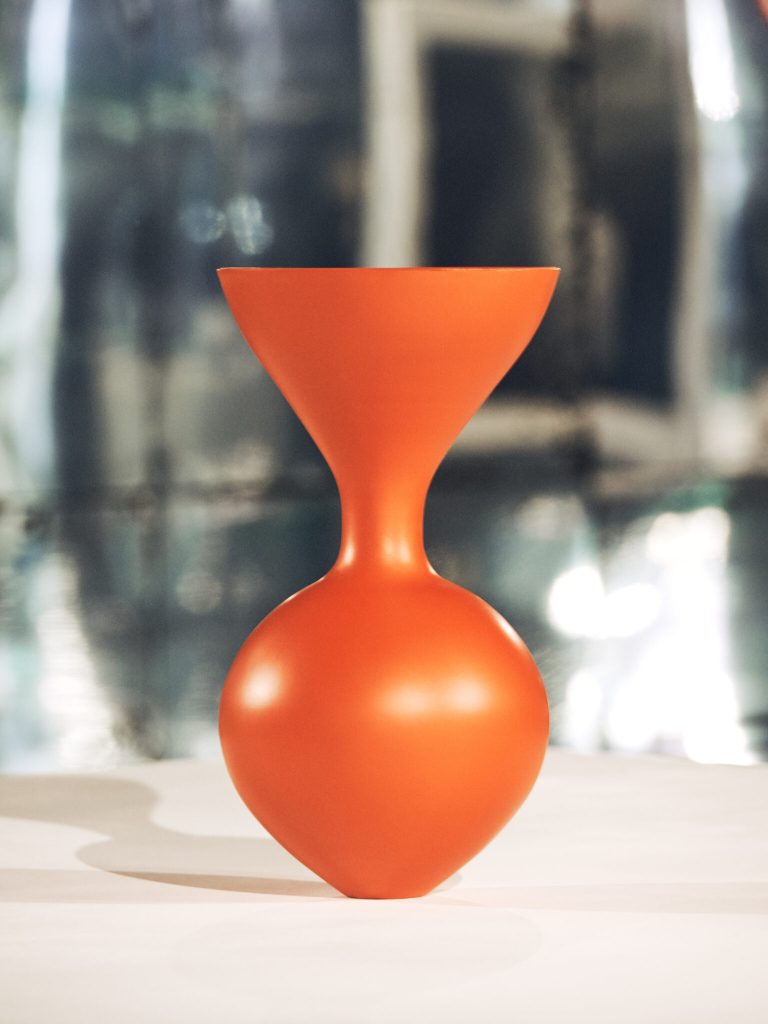
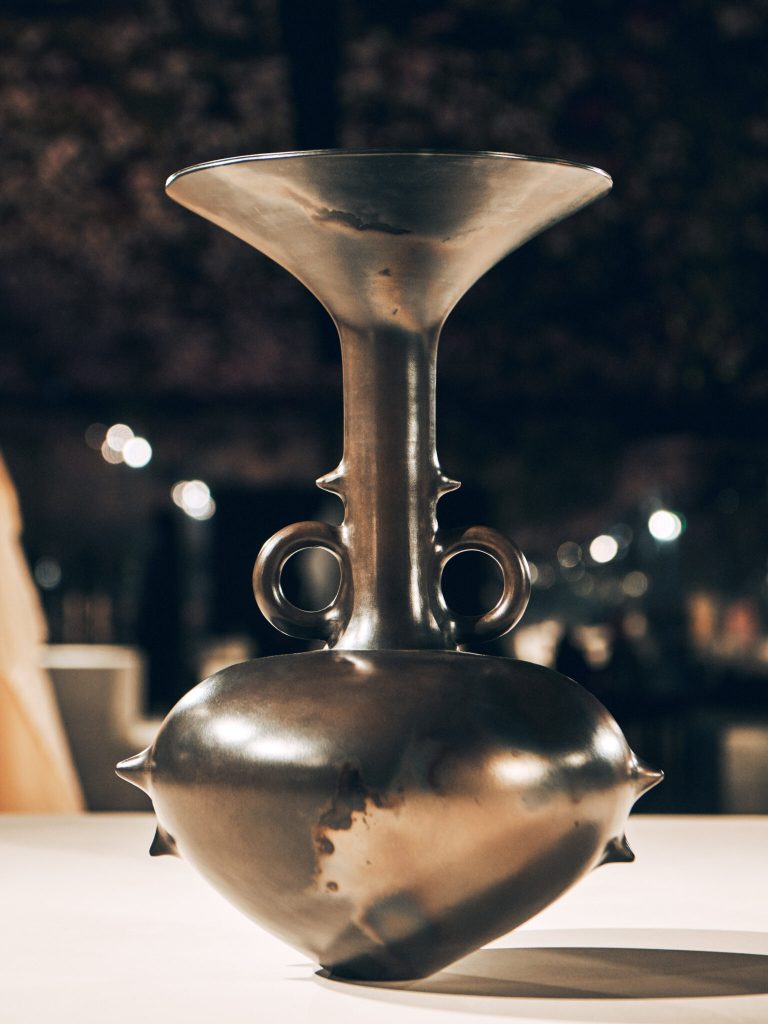
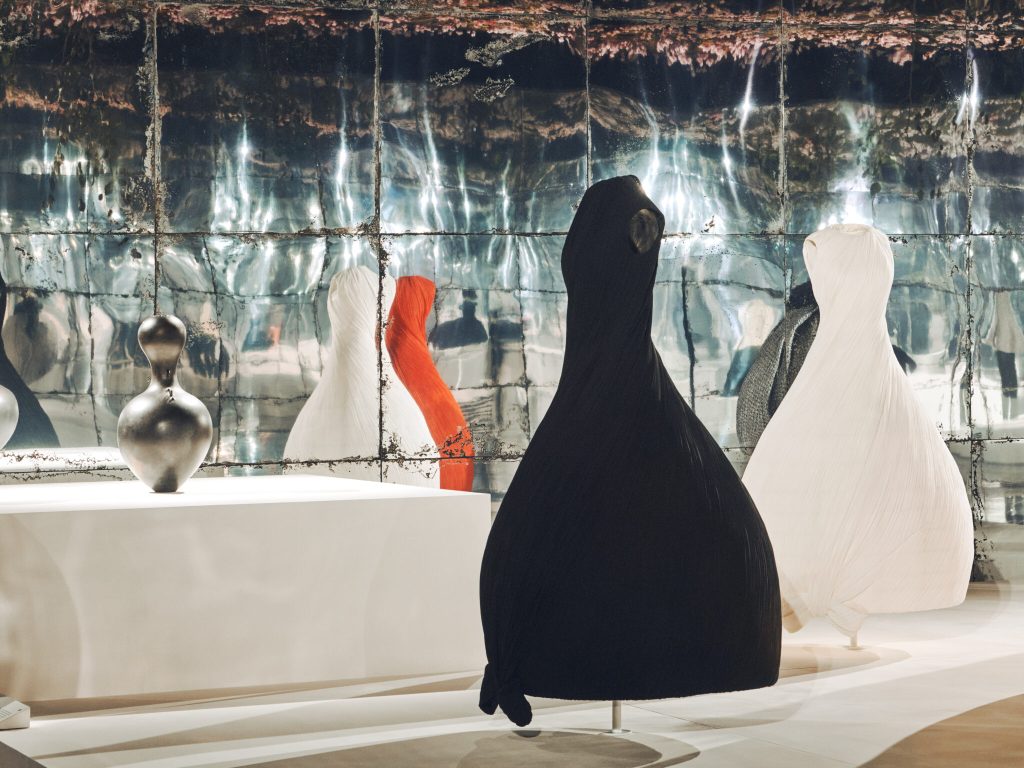
Mixed among these couture articulations were the sinuous ceramic sculptures of Magdalene Odundo, their polished surfaces and organic curves echoing the architectural gestures in Anderson’s pieces. Works by the Kenyan-born artist, known for vessels that evoke both the human body and transcendent form, conversed quietly but insistently with Dior’s couture silhouettes.
Sculpture and fashion met not in mimicry but in mirrored intention: a shared reverence for curvature, containment, and craft, with human intelligence at the center. Following the show, the Grammaire des Formes installation remained open to the public, an act that gently dismantled fashion’s traditional walls of exclusivity.
As visitors entered the Dior installation in the garden of the Musée Rodin, Odundo’s ceramics were displayed in proximity to the couture garments, drawing out resonances in contour and philosophy. These were not passive juxtapositions. They were propositions: that fashion, like sculpture, may be read as a vessel; that the body itself is a terrain of form.
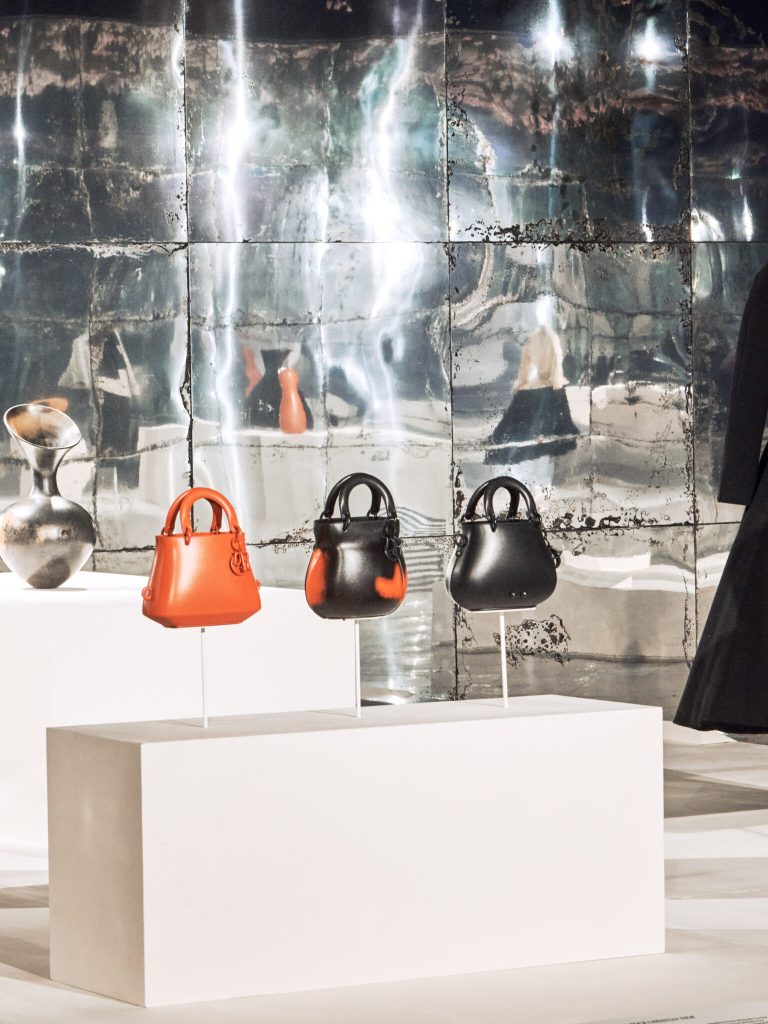
Most striking among the post-show installations were Odundo’s reinterpretations of the Lady Dior bag. Known for Dior’s ongoing Lady Dior Art initiative, which invites contemporary artists to reimagine the house’s iconic accessory, this iteration was different, more subdued, more sensorial. Odundo’s versions evoked her signature language: burnished surfaces, gentle asymmetries, handles that echoed ceremonial loops. These bags did not shout luxury. They murmured inheritance. Here, the usual distance between fashion and art collapsed through intimacy.
Anderson’s garments and Odundo’s objects spoke in round, organic cadences: hips swelled gently beneath wool crepe, sleeves curved like amphorae. The conversation was not about art as inspiration, nor fashion as commodified art, but something more subtle: a shared logic of touch, of shaping, of breathing life into inert material. Both disciplines became means of holding the human.
The juxtaposition of couture and sculpture revealed an unexpected symmetry: in both, the body is not merely clothed or adorned but circumscribed, held in dialogue with space. Odundo’s vessels rise like silent breath; Anderson’s dresses extend like kinetic echoes of that same breath, swathing the contours of the wearer in forms that both reveal and conceal.
In the sunlight‑dappled gardens of Rodin, the presentation invited reflection on couture as vocabulary rather than spectacle. Volume and void became synonyms; hues and their absence spoke to the gravity of tradition and the fluidity of innovation. Anderson’s choice to anchor his first couture collection at Dior in dialogue with an artist whose work transcends cultural boundaries felt like a declaration: couture, too, belongs to that elastic, borderless terrain of ideas.
At a moment when couture’s relevance is incessantly debated, whether it’s an endangered craft, a ludicrous extravagance, or a vital cultural language, Grammaire des Formes insists on a different reading. It posits couture as an epistemology of the body, a discipline that maps identity through the grammar of material, gesture, and space. In doing so, it elevates the practice beyond the runway and into the field of cultural production and collective imagination.
In the end, it is this intersection of art and fashion, heritage and invention, surface and spirit, that defines the current moment at Dior. The Musée Rodin, in its silence and history, offers a fitting amphitheater for such a conversation, reminding us that couture’s true value lies not in consumption, but in its capacity to shape the way we see ourselves and the world around us.
 mabou
mabou 
Leave a comment