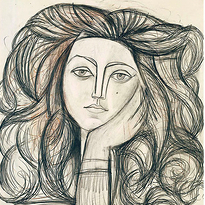
I just finished watching Made in Italy, and I wholeheartedly recommend it. The series is an immersive, thoughtful journey into the world of 1970s Milanese fashion. And while I remain a Frenchwoman in awe of our own couture Maisons, it’s hard not to be captivated by the bold elegance and cultural ambition that defined this pivotal era in Italian style.
When Made in Italy premiered, it offered more than a dramatized glimpse into the fashion world. It delivered a nuanced portrayal of a nation reimagining itself through cloth, silhouette, and spectacle. Set against the backdrop of post-industrial optimism and a growing feminist movement, the series repositions fashion as a force of self-definition, cultural projection, and economic transformation. A powerfully fascinating mix.
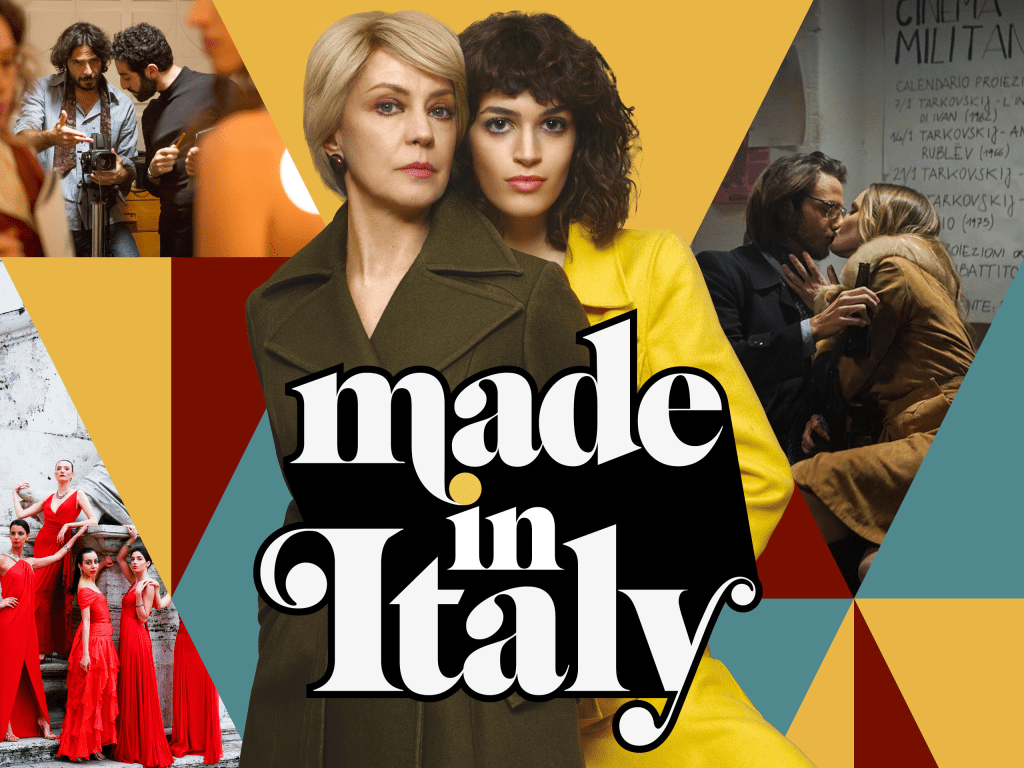
The story follows Irene, a young woman navigating her first job at a fashion magazine, as she unexpectedly finds herself in the middle of an industry on the cusp of global dominance. On the surface, it’s a classic coming-of-age tale. But through Irene’s eyes, we also witness a wider narrative unfolding, one in which personal expression and national identity are deeply intertwined, and where the page of a fashion editorial becomes a site of subtle rebellion and reinvention.
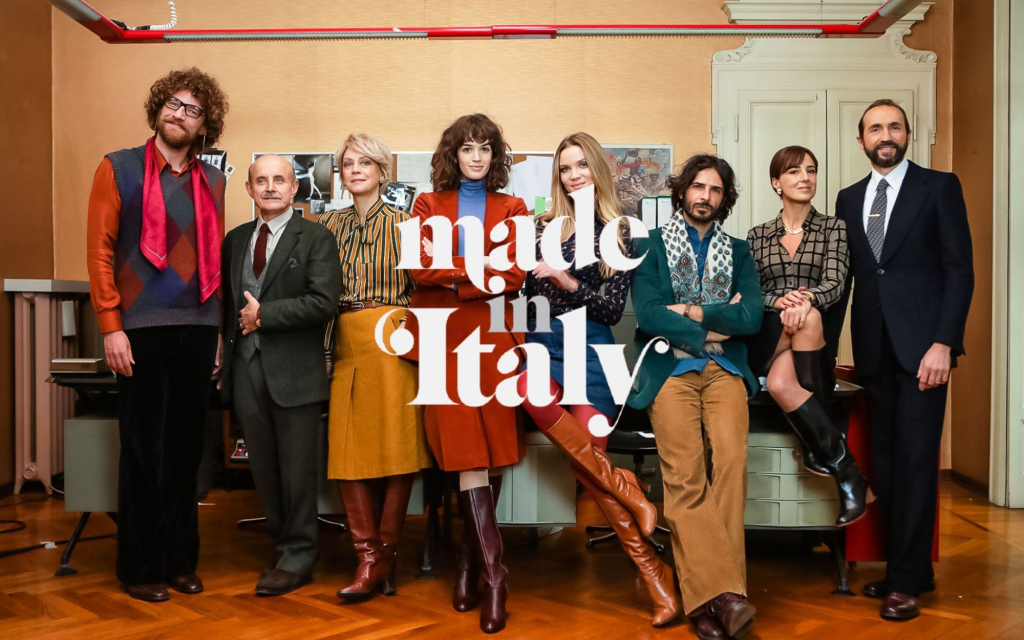
The 1970s were a turning point for Italian fashion. Designers like Giorgio Armani, Gianfranco Ferré, and Krizia emerged with a vision that combined industrial pragmatism with a new kind of sensuality. Milan distanced itself from the rarefied couture salons of Paris and instead proposed something more grounded: wearable elegance for a modern, professional woman. This shift wasn’t simply about style, it was about values, about embracing Italy’s industrial power and turning it into a platform for aesthetic innovation.
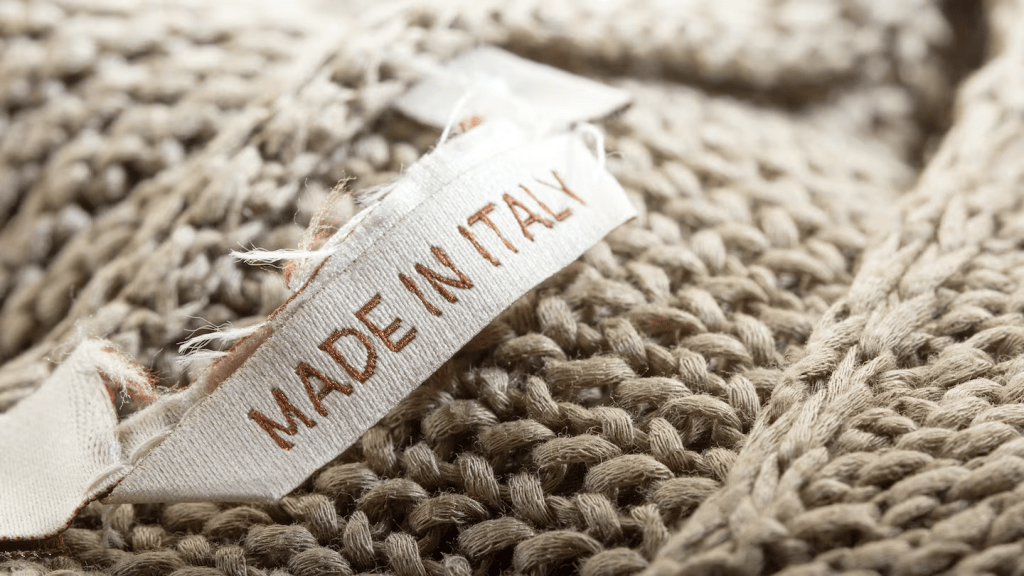
Fashion became part of Italy’s economic strategy. With its tightly integrated textile supply chains and family-owned ateliers, the country was uniquely positioned to deliver quality at scale. Milan Fashion Week evolved into a must-attend event for international buyers, and the phrase “Made in Italy” began to carry weight far beyond mere geographic origin. It suggested integrity, artistry, and authenticity.
But Italian fashion didn’t invent itself in the 20th century, it drew on centuries of visual and cultural heritage. The country’s artistic lineage is one of the richest in the world, and its influence can be felt in the way Italian designers approach form, color, and composition. Think of the sculptural tailoring of Armani, which echoes the balance and restraint of Renaissance statuary. Or the opulent, often irreverent prints of Versace, which nod to Baroque exuberance and mythological excess.
There’s a kind of continuity at play here. Just as Renaissance artists merged beauty with humanist philosophy, so too do Italian designers treat fashion as both visual poetry and cultural commentary. The interplay of drapery and architecture, of proportion and emotion, is not merely aesthetic, it’s a dialogue with history. Whether referencing the mosaics of Ravenna or the lightplay of Caravaggio, Italian fashion taps into a deep well of cultural memory.
This link to tradition extends beyond art to lifestyle. Italian fashion is embedded in the rituals of daily life: the passeggiata, the aperitivo, the family lunch. Clothing is never just clothing, it’s a way of showing up in the world, of embodying grace, sensuality, and a distinctly Mediterranean ease. Even the business of fashion in Italy, often run through dynastic houses and regional ties, reflects a cultural prioritization of heritage and continuity.
What Made in Italy captures so beautifully is this synthesis of personal ambition and collective identity. It doesn’t romanticize the past, but it honors it, showing how a generation of creatives transformed local traditions into global relevance. The series reminds us that fashion, in the Italian context, isn’t escapism. It’s narrative, strategy, and legacy, woven together with intention and pride.
In revisiting this cultural epoch, Made in Italy does more than reconstruct history. It weaves it anew, stitch by stitch, into our contemporary consciousness. And while I may still toast to Parisian perfection, there’s no denying the enduring power of Italian fashion as both an art form and a national language.
 mabou
mabou 
Leave a comment