
This is the second part of a research conducted over the course of a year covering “Cultural Capital in the Age of Cultural Co-Creation” in the luxury industry. This first part covers Retailing: From Museumification to Cultural ROI.
Luxury retail today operates as both architecture and rhetoric. Stores and brand activations no longer merely facilitate transactions, they choreograph symbolic experiences. This article draws on Lefebvre’s spatial theory, visual ethnography, and comparative analysis to assess how flagship locations, private salons, and pop-ups operate as prestige apparatuses. Ethnographic observations from Seoul, Paris, and Milan are contextualized with Reddit discourse and academic frameworks.
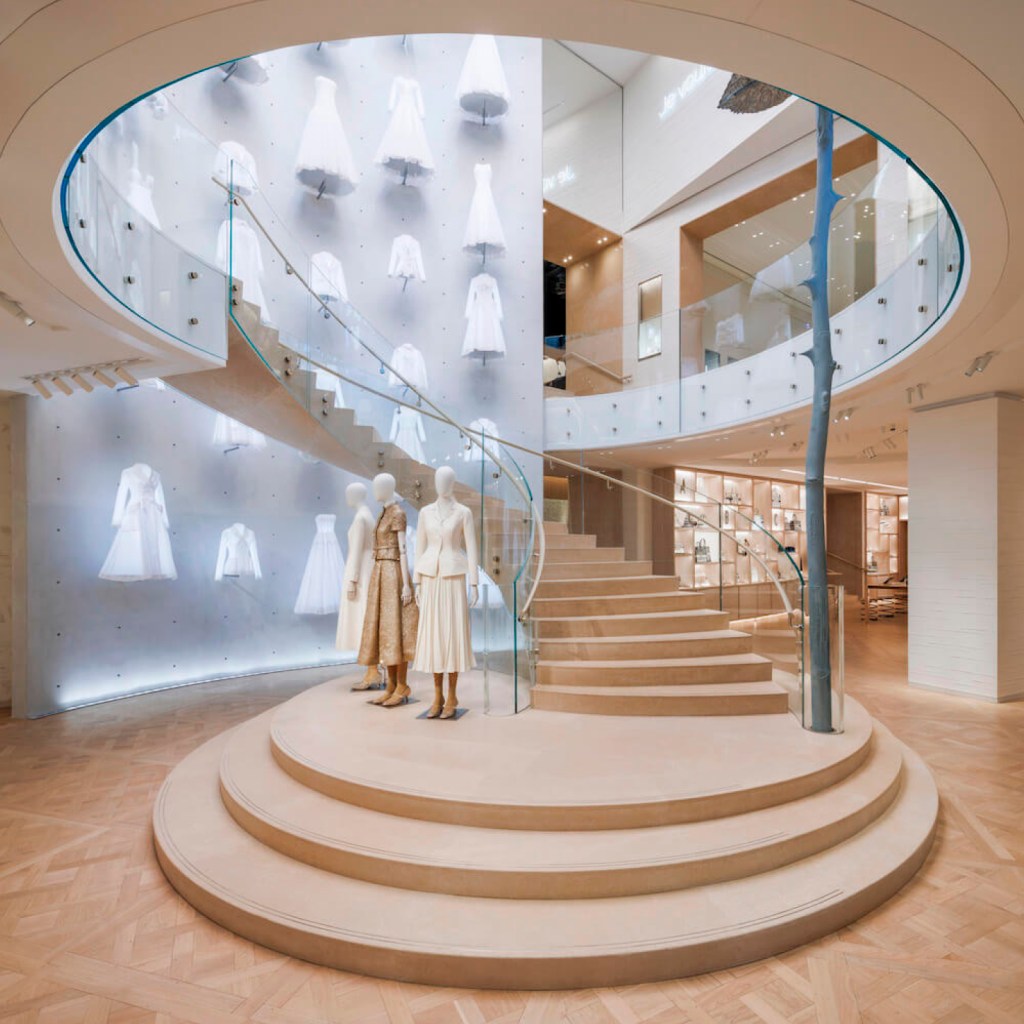
Flagship stores like Dior’s 30 Avenue Montaigne or Louis Vuitton Maison Vendôme evoke ritualized luxury. They manipulate spatial flow, lighting, acoustics, and scent to engineer reverence. Their layouts echo museology: display vitrines, architectural grandeur, and even spatial silence. The consumer does not simply shop, they perform a kind of aesthetic pilgrimage.
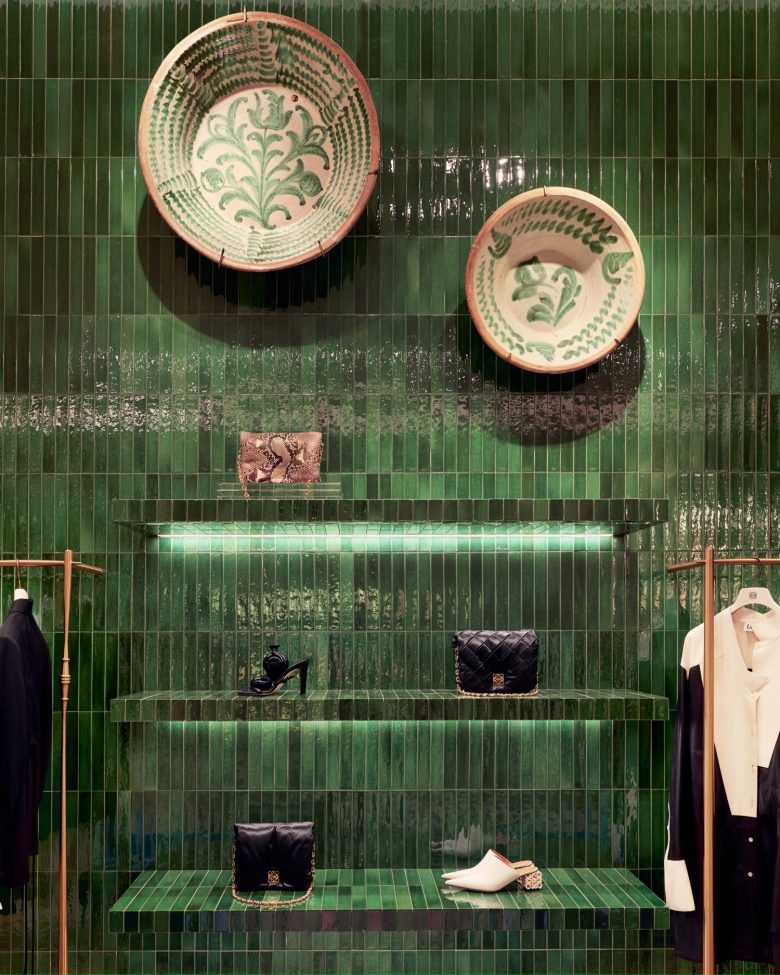
At Casa Loewe, the domestic intimacy of the space, combined with a curated mix of contemporary art, ceramics, and fashion, signals a slower, more cultivated mode of consumption. This contrasts with the immersive monumentalism of Fondazione Prada, which communicates gravitas through intellectual density and institutional scale. Both formats reinforce luxury’s claim to cultural authority through spatial strategy.
The aesthetics of access differ sharply by region. In the West, visibility is often conflated with relevance. Think of Apple’s Fifth Avenue glass cube or Balenciaga’s mirrored installations. In contrast, East Asian luxury emphasizes coded discretion: hidden doors, appointment-only rooms, and symbolic opacity. Margiela’s Ginza salon, accessible only through whispered referrals, exemplifies exclusivity as ritual rather than spectacle.
This East-West divergence reflects broader cultural distinctions around notions of prestige and visibility. While Western luxury increasingly aligns with hyper-visibility and Instagrammability, Eastern interpretations often privilege intimacy, insider knowledge, and social shielding. Bottega Veneta’s former social media blackout exemplifies strategic withdrawal from spectacle, privileging aura over attention.
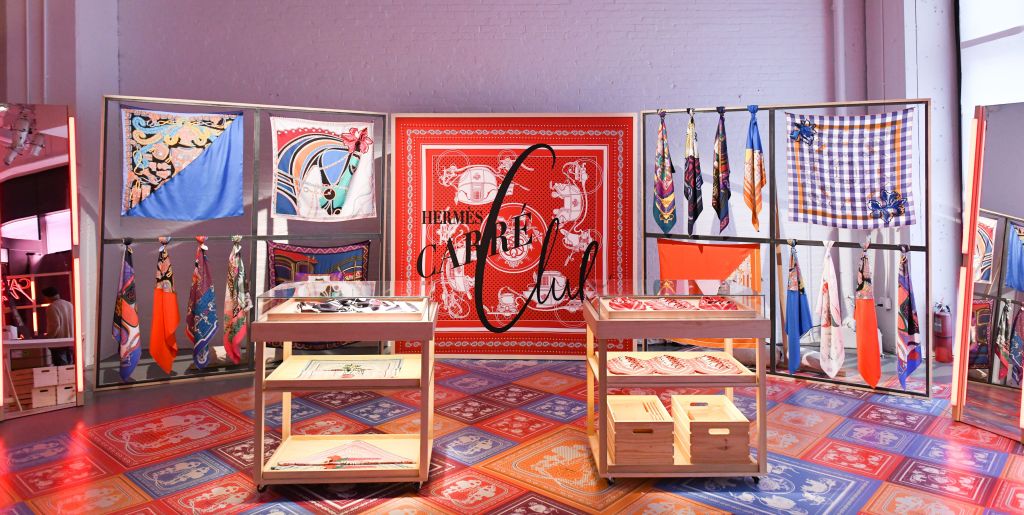
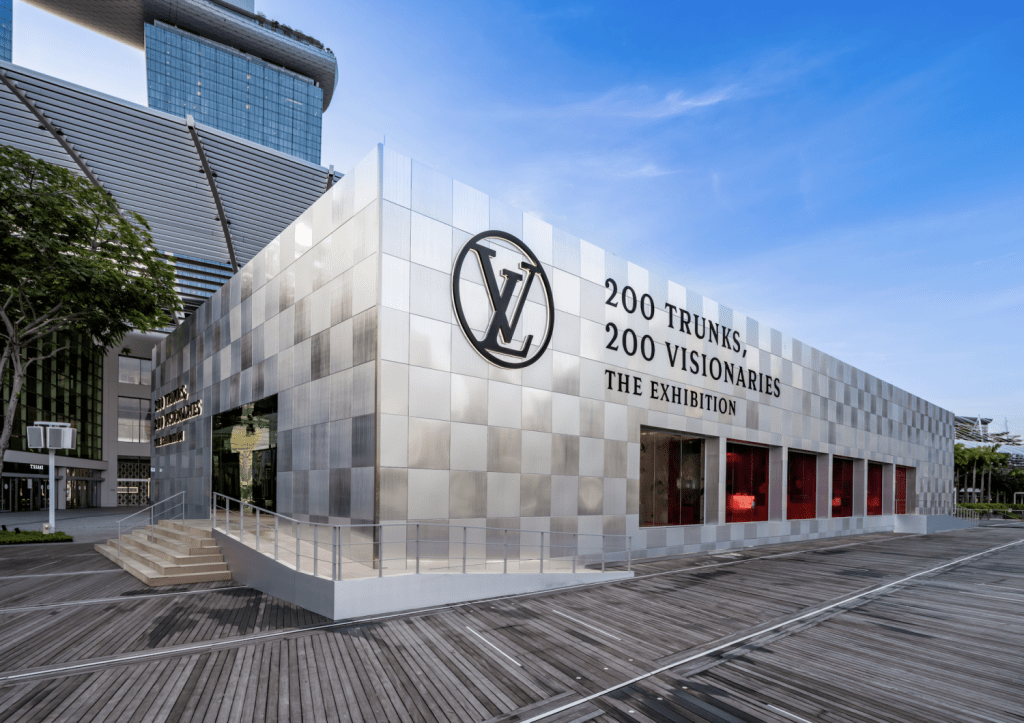
Temporary formats such as pop-ups, mobile installations, and nomadic exhibitions constitute a new frontier in cultural ROI. Events like Louis Vuitton’s “200 Trunks, 200 Visionaries,” Hermès’ Carré Club, and Dior’s traveling retrospectives fuse high culture with experiential urgency. Walter Benjamin’s concept of the “aura” applies here: uniqueness and temporal scarcity elevate symbolic capital.
These activations are aesthetic performances that reward symbolic literacy. Participation itself becomes an act of prestige. Instagram stories from attendees, subtly captioned or not at all, signal semiotic fluency and insider access. This kind of cultural capital is non-transferable, it is lived, performed, and circulated in affective networks.
The 2025 Osaka-Kansai World Expo offers a compelling example. As the major partner of the French Pavilion, LVMH transformed its Maisons into cultural emissaries. Immersive installations from Louis Vuitton and Dior, designed by Shohei Shigematsu and Daito Manabe, engaged with Japanese traditions, aestheticizing craft and cultural hybridity.
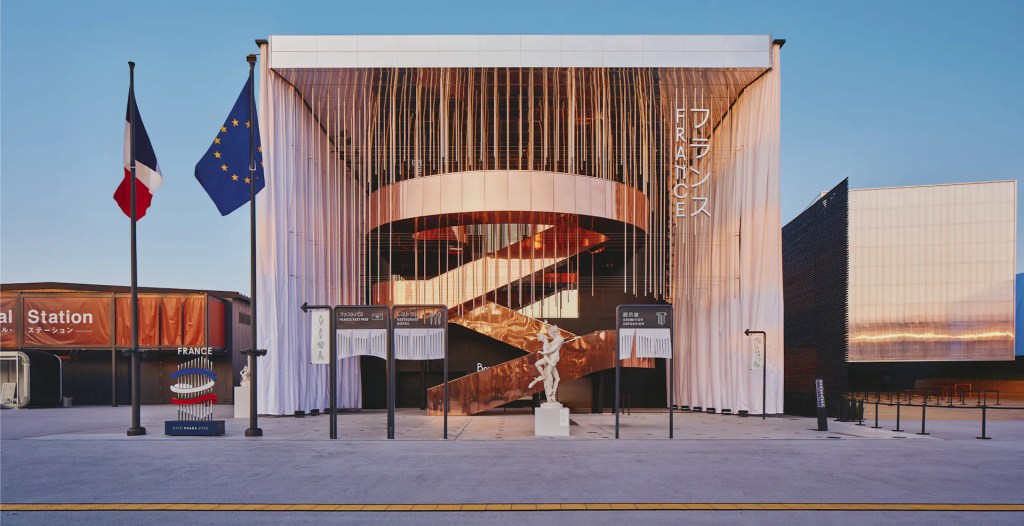


This activation exemplified luxury as cultural diplomacy. It positioned LVMH not merely as a commercial force but as a soft power institution. The Pavilion became a branded embassy merging national identity, heritage, and symbolic authorship. This is cultural ROI in its most nuanced form.
Luxury retail is a spatial economy of symbolism. From traveling exhibits like Hermès Carré Club to city-specific installations like Jacquemus’ ephemeral beach, space is leveraged not for sales per square foot, but for symbolic density per square frame. These are not stores; they are myth-making machines producing cultural ROI through atmosphere, scarcity, and design narrative. Brands that understand this are not merely selling products, but orchestrating meaning at the intersection of geography, temporality, and desire.
Please reach out for full article
References:
- Benjamin, W. (1936). The Work of Art in the Age of Mechanical Reproduction.
- Cho, Eunjoo. (2016). “Architectures of Discretion: Luxury Retail and Hidden Access in Contemporary Tokyo.” Journal of Consumer Culture, 16(3), 560–578.
- de Certeau, M. (1984). The Practice of Everyday Life. University of California Press.
- Dubois, D., Kapferer, J.-N., & Bastien, I. (2020). “A Typology of Luxury Brand Visibility.” Journal of Business Research, 116, 554–563.
- Lefebvre, H. (1991). The Production of Space. Blackwell.
 mabou
mabou 
Leave a comment