The Dior Lady Art project, now in its eight iteration, invites contemporary artists from around the globe to reinterpret the iconic Lady Dior, created in 1997 under Gianfranco Ferré. Referencing the cannage of the chairs Dior clients sat on during the first fashion shows of the founder, the squared, boxy bag is a perfect canvas for artistic expression, as the previous editions have demonstrated.
Resolutely international, the new vintage brings 12 artists, Mircea Cantor, Jeffrey Gibson, Gilbert & George, Ha Chong-Hyun, Lee Kun-Yong, Mariko Mori, Ludovic Nkoth, Hilary Pecis, Mickalene Thomas, Zadie Xa, Michaela Yearwood-Dan, and Xu Zhen hailing from England to China, the US to Japan. This project participates in reinforcing the icon status of the house staple by making it a masterpiece. At the same time, it fits into Dior’s effort to inspire global audiences under their own terms.



These artistic collaborations, firstly, create a link between the maison and the art world. Secondly, between the maison and the unique universes of the artists they collaborate with. Thirdly, between the maison and the cultural environment these artists create in, and, this allows Dior to connect with customers beyond its strong brand DNA.
Creating these conversations enhances creativity and inspires new publics, it also brings new clients into the fold of the brand story. Cultural capital, in 2024, is as important as the product, and the difficultly luxury brands are facing in geographies like India requires them to adjust their branding strategies. India has a strong domestic culture of luxury, but consumers are less sensitive Western luxury because it feels culturally remote. In order to enter and conquer these new markets, the house needs to bridge gaps and create cultural conversations that testify of the versatility of its products.


The global approach – not even looking at the products – says something about the message, Dior is for everyone and is open to interpretation. By inviting artists both from conquered markets and markets still to be conquered, Dior erases the hierarchy that fatally drives top lines, business decisions and marketing strategies.
Those conversations also allow to see the classic references of the Dior house in a new, interesting way, constantly reinventing what can feel boring after more than 25 years at the top. The number eight, to start with, was Dior’s lucky number, he saw in it a sense of infinity echoing the continuity of his work, house, and name beyond his death. Among the collaborations of this eighth iteration, I find five particularly interesting: Mariko Mori, Ludovic Nkoth, Ha Chong-Huyn, Hilary Pecis and Mircea Cantor.


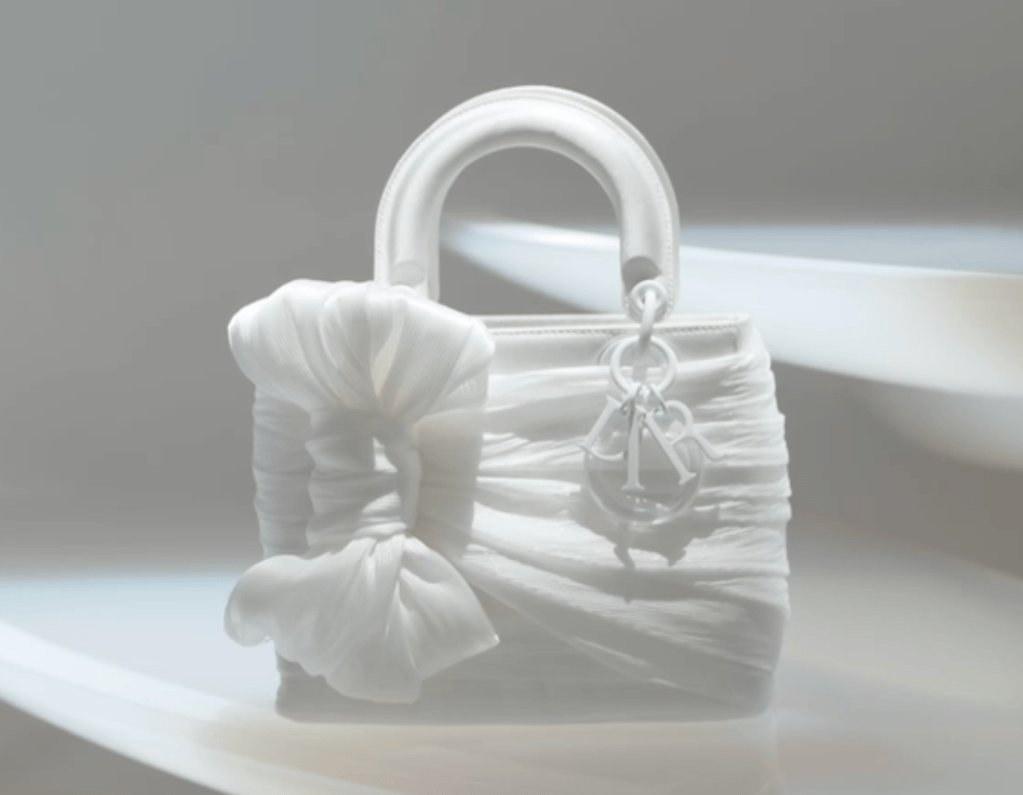
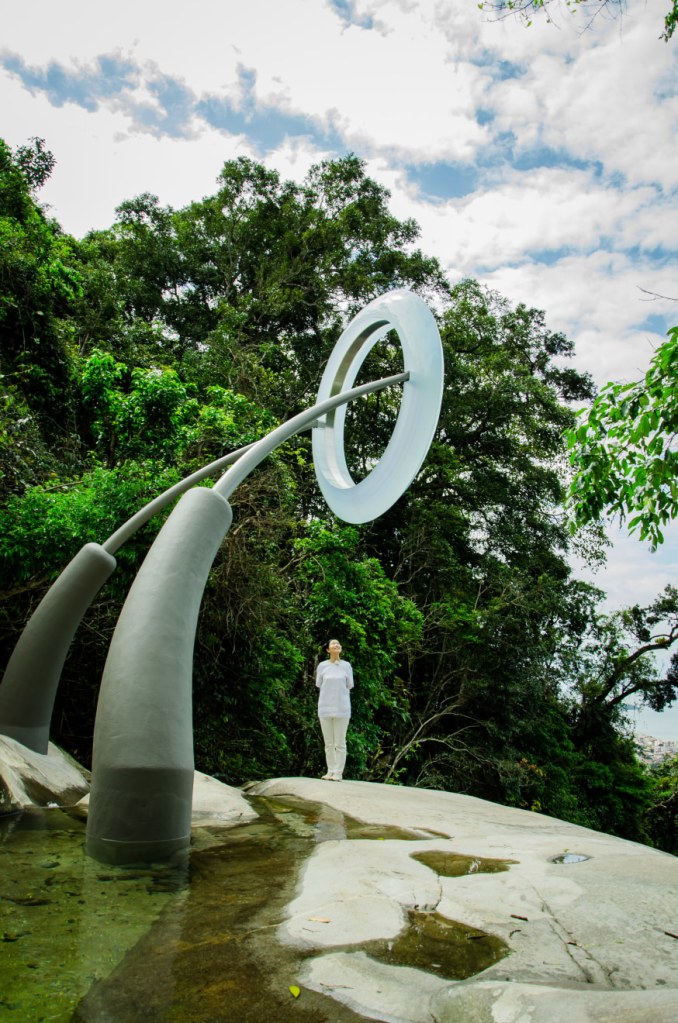
Mariko Mori is a multidisciplinary Japanese artist whose work is at the intersection of technology, spirituality and transcendence, fittingly referencing East and West. She is interested in the circle of life, cosmos and perpetuity (also echoing the number 8) For Dior, she created futuristic bags in soft pastels and iridescent materials. The first one is a reference to the ālaya – Buddhism’s eighth consciousness, that changes as the bag moves. The second is adorned with a bow while the third one is a mini minaudière looking like a bubbly time capsule. The O of the charm is a reference to her work Ring: One with Nature.
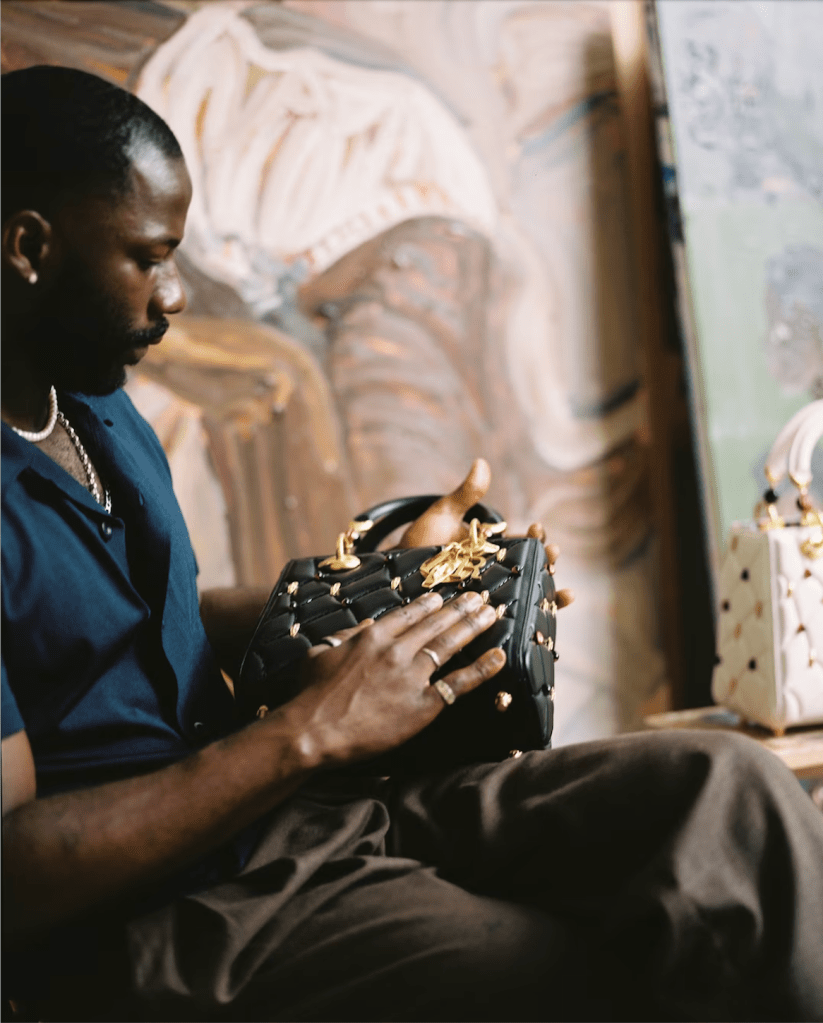
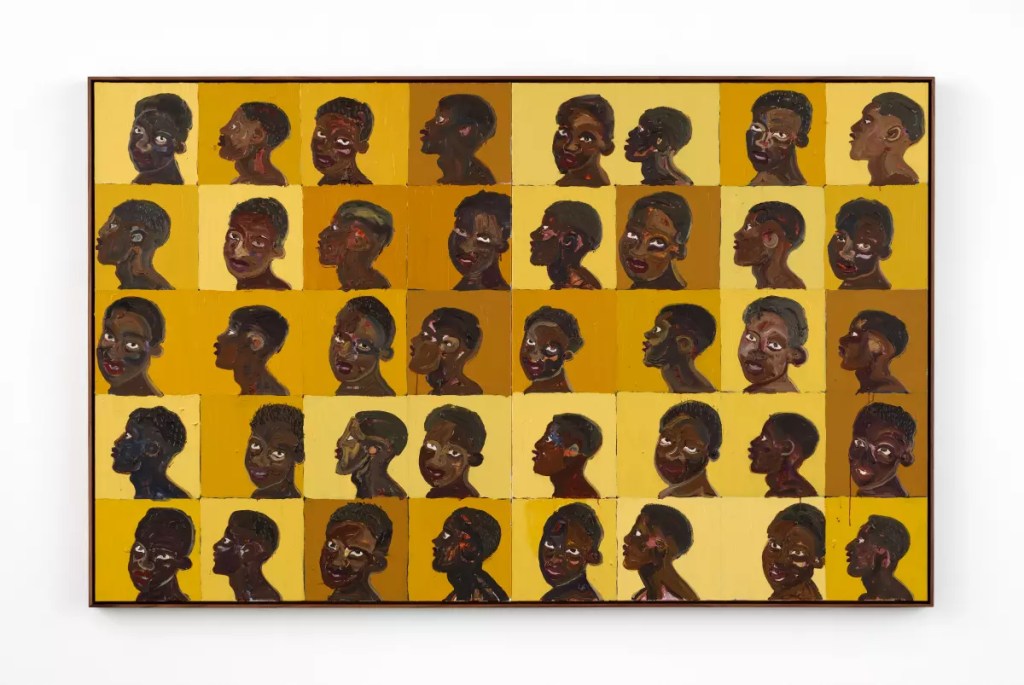
The Cameroon-born, US based artist Ludovic Nkoth explores themes of displacement, diaspora, and Black communities through portraits that intermingle public stoicism and private sentimentality. For Dior, he decided to pay hommage to craftsmanship and to the details that are often overlooked. Delicately bending the signature finitions of the Lady Dior, Nkoth creates a conversation between the codes of the Dior house and his own material culture. Lines are bent, pearls are added, tiny golden masks and enamel seashells referencing his Cameroonian origins are magnified and transform these bags in delicate jewelry pieces.


Ha Chong-Hyun is a South Korean artist whose work centers around the relationship between light and colors. His monochromatic canvases are a game of textures and hide and seek since he paints the back of the canvas to reveal elements on the front. This quest of visual sensoriality inspired four bags that explore the interdependence of materials in shades of red and blue. For Dior, the artist reinterpreted his Conjunction 74-26 creation, exhibited at the Museum of Modern Art (MoMA) in New York, with a bag directly inspired by a shoe Roger Vivier designed for the house.
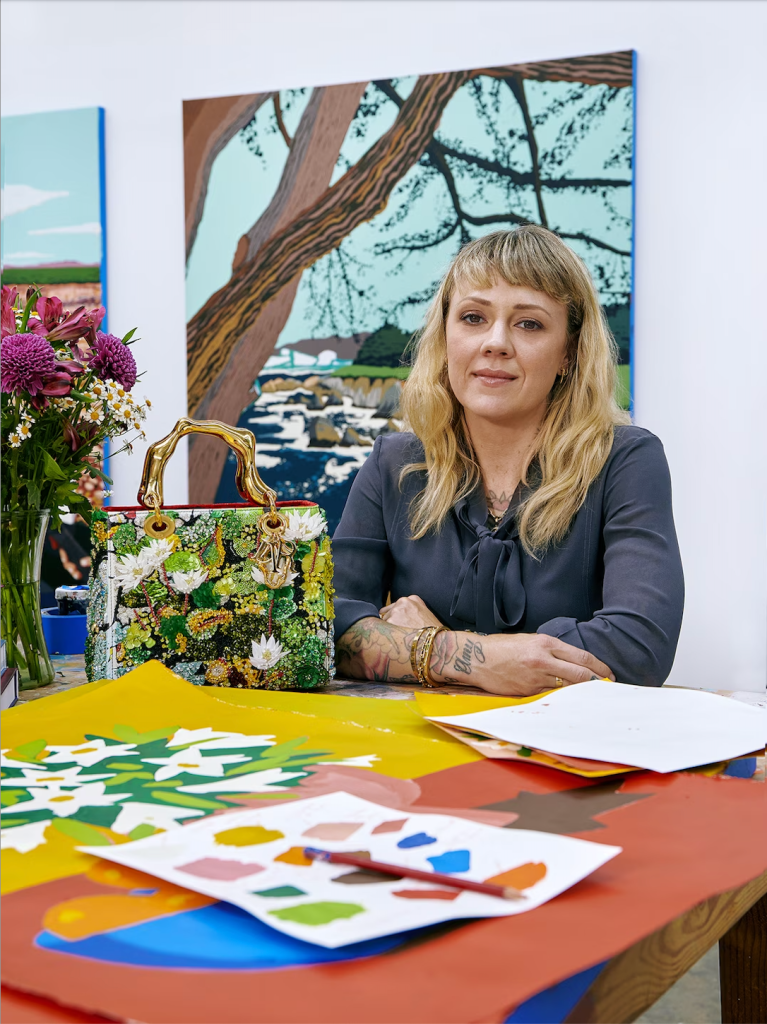
The American, LA-based artist Hilary Pecis pays homage to Dior’s obsession with nature and especially flowers. Her modern reinterpretation of all-over still lives akin to impressionism are deliberately pop and irreverent, questioning the realities of our modern times. The sequined bag was inspired by her grand-mother jewelry box in between tradition and modernity, evoking different layers of painting while the wavy Dior charms mimic the fluidity of the natural world.


Multidisciplinary Romanian artist Mircea Cantor’s works are between dreams and reality while simultaneously being grounded in contemporary issues. For Dior, he explored the multiplicity of perspectives offered by the canvas and materials of the bag. He created hypnotic patterns referencing the Garden of Eden and Romanian traditions framed by his signature leather cords symbolizing connection, transmission and continuity, values close to the Maison Dior.
From minimal, discreet tweaks to total take-overs, the artists create a conversation between their and Dior’s universe. But above all, they create a conversations with the owner of the bags through physical, personal encounter. Each bag interior is adorned with a surprise, from Nkoth’s paintings to signature monochromatic linings, the surprise is only available to those who own the bag and engage with the artistic object, reinforcing the bound between the Maison, the artist, and the client.
 mabou
mabou 
Leave a comment