
It has been quite some time since I have not covered a collaboration between the luxury industry and the art world. Blame it on the quietness of the Summer or on the lack of truly inspiring, worth-mentioning endeavor in the matter… It is certainly not counting on the exceptional “New Renaissance” Ferragamo Fall campaign in collaboration with the world-renowned Uffizi Galleries, showcasing the house’s commitment to “craftsmanship, beauty, and heritage”.
While the young Maximilian Davis took the helm of the aging house in a storm of Gen Z-forward designer appointments across numerous houses, his first collection stood out as a spectacular modernization of the houses’ codes. He stayed true to the core values while enriching the vocabulary of the Ferragamo wardrobe. Most importantly, he made Ferragamo, the storied Florentine house, glamour again.


The collaboration with the Uffizi Galleries, therefore, seems quite fitting, as the house inscribes its new chapter both in the tradition of the city that it calls home characterized as the cradle of the Italian Renaissance, and in its own history itself. Indeed, as underlined by the house, the first Renaissance of Ferragamo took place as he came back from Hollywood and settled in Florence in 1927 after being “shoemaker to the stars”.
“In the 5th century BC, Ancient Greece was a cradle of a momentous cultural revolution. Guided by illuminated politicians, an enlightened community of artists, philosophers and poets crafted a new language to express universal values—an unparalleled golden age of creativity began. Over 1800 years later in 15th-century Firenze, the patronage of the Medici supported inspired intellectuals and creatives who drew from the Greek Golden Age. They dared to break the shackles of medieval norms, sculpting a fresh artistic language and new mythologies, kindling what we now know as the Renaissance.” one can read on Ferragamo’s website. And Ferragamo is presenting itself as doing the same in the 21st century.


“The Renaissance is hardwired into Florence, and Florence is hardwired into Ferragamo,” said Davis in a statement. “At this time of a new beginning at the house, it made perfect sense to reclaim the cradle of the Renaissance as our spiritual home, and to harness the deep, artistic spirit of this city to showcase the new collection.”
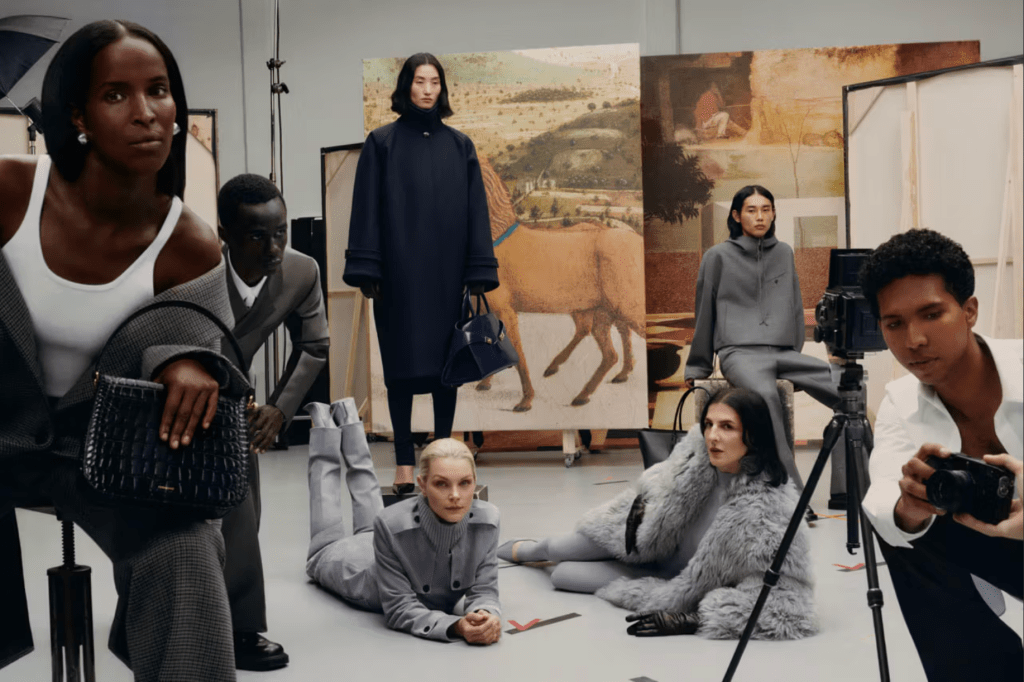
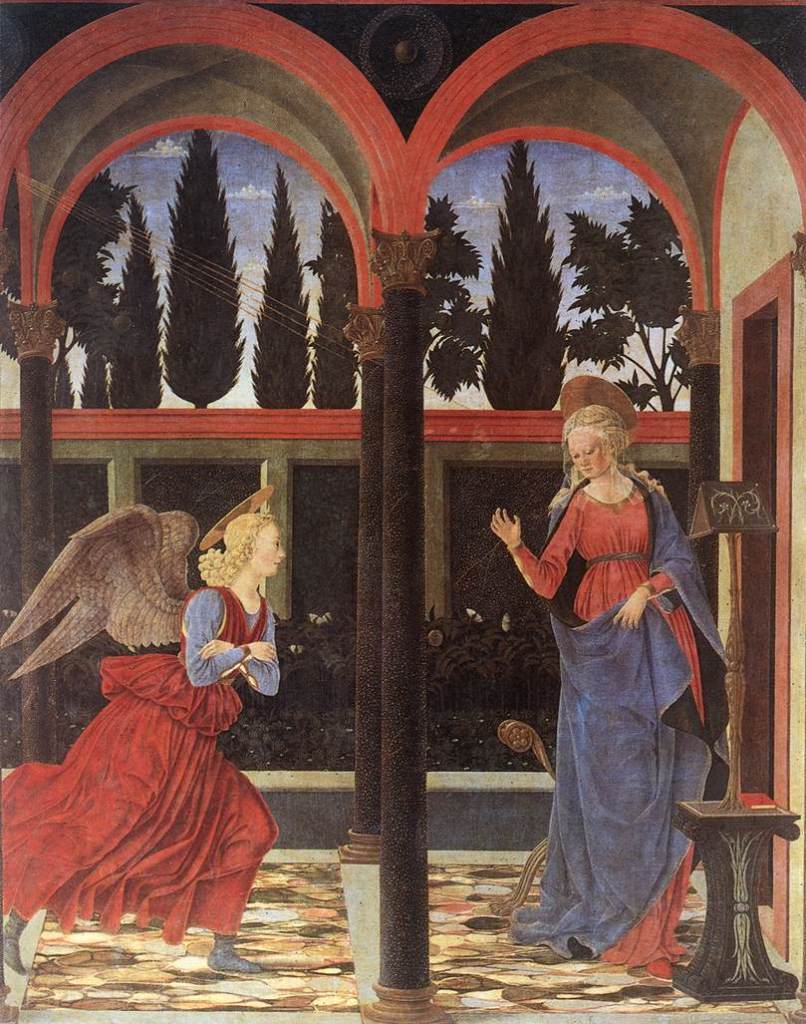
The campaign, shot by Brooklyn-based photographer Tyler Mitchell is a bridge between past and present, with models staged in front of some of the museum’s masterpieces. Among them, Alesso Baldovinetti’s Annunciation (1457), Giovanni Bellini’s Holy Allegory (1490–1500), Paolo Veronese’s Annunciation (1570–75), Francesco Granacci’s Joseph Going to Prison (1515), Giorgio Vasari’s Portrait of Alessandro de Medici (1534), Botticelli’s Portrait of a Man with a Medal of Cosimo the Elder (1475), Botticelli’s The Annunciation of San Martino alla Scala (1481), and Piero della Francesca’s Diptych of Federico da Montefeltro and Battista Sforza (1467–1472).

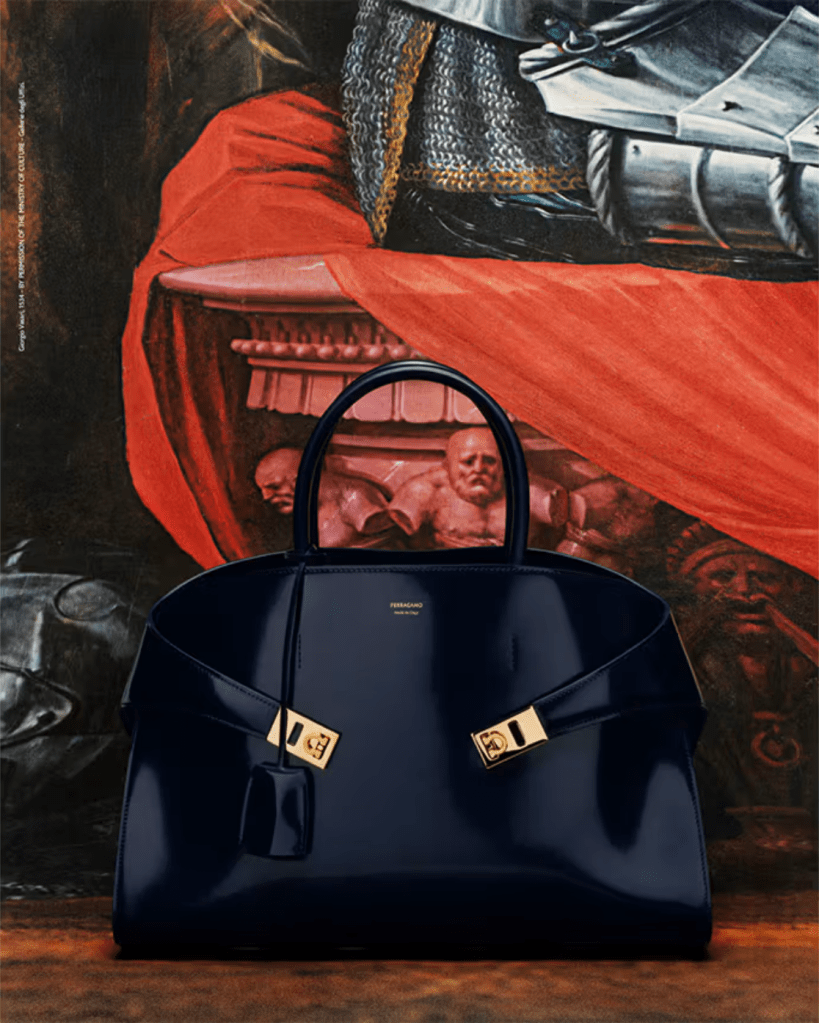
While the images are visually striking, there is also a wish to connect the story of each painting with the spirit of the Florentine house. On its website, Ferragamo dives into details in four “stories“. Under front of Giorgio Vasari’s Ritratto di Alessandro de’ Medici, one can read “Giorgio Vasari is an example of an eclectic Renaissance intellectual and artist. (…) First Duke of Firenze, Alessandro is portrayed in a composition full of allegorical meanings. The shining armor is synonymous with his qualities as a leader, the red cloak symbolizes the blood of the defeated enemies, the circularity of the stool indicates that his reign would never end. The laurel branch reborn from the cut trunk is a tribute to the Medici dynasty, ever stronger despite the obstacles to be faced.”, effectively echoing the story of the successive Ferragamo generations.
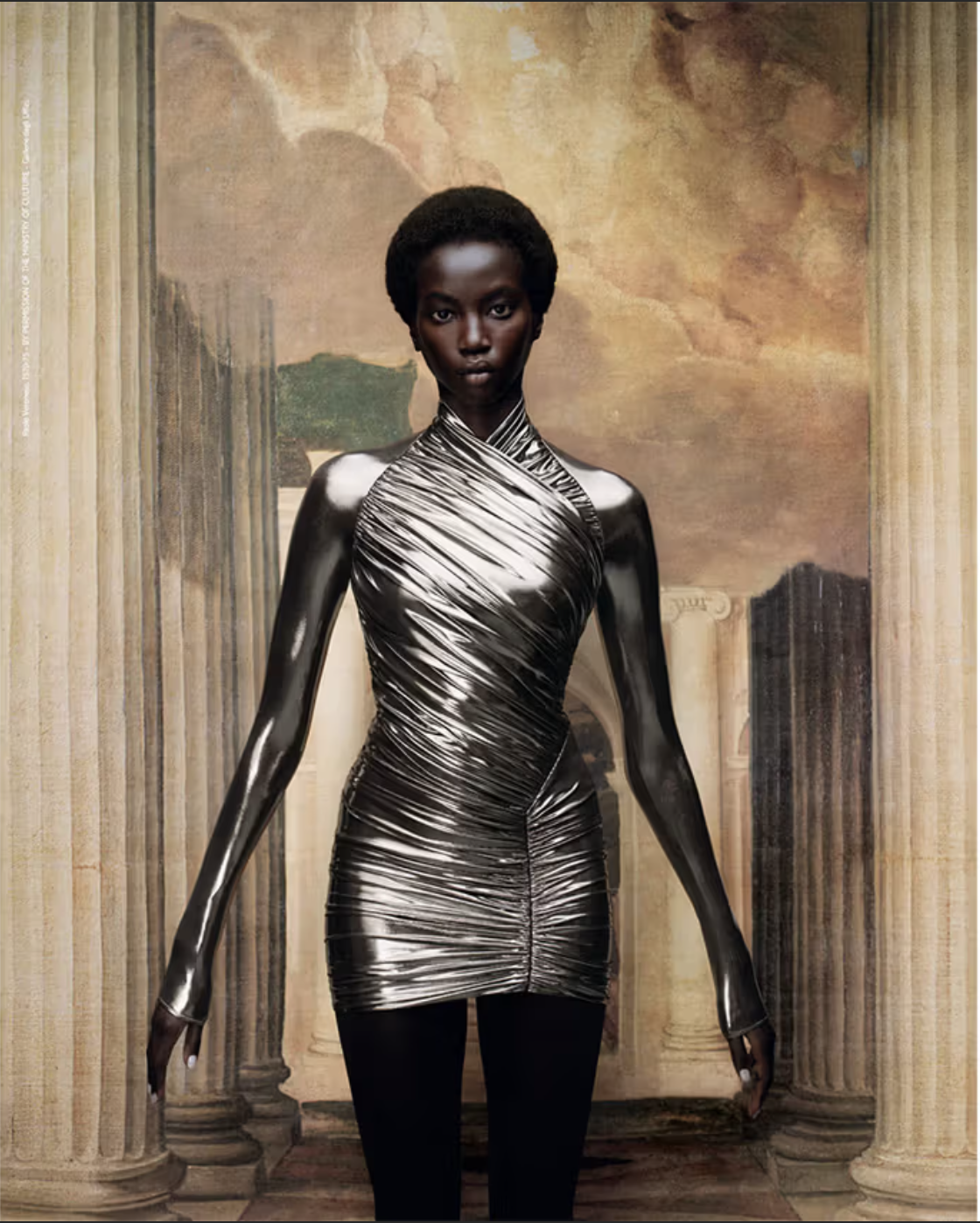

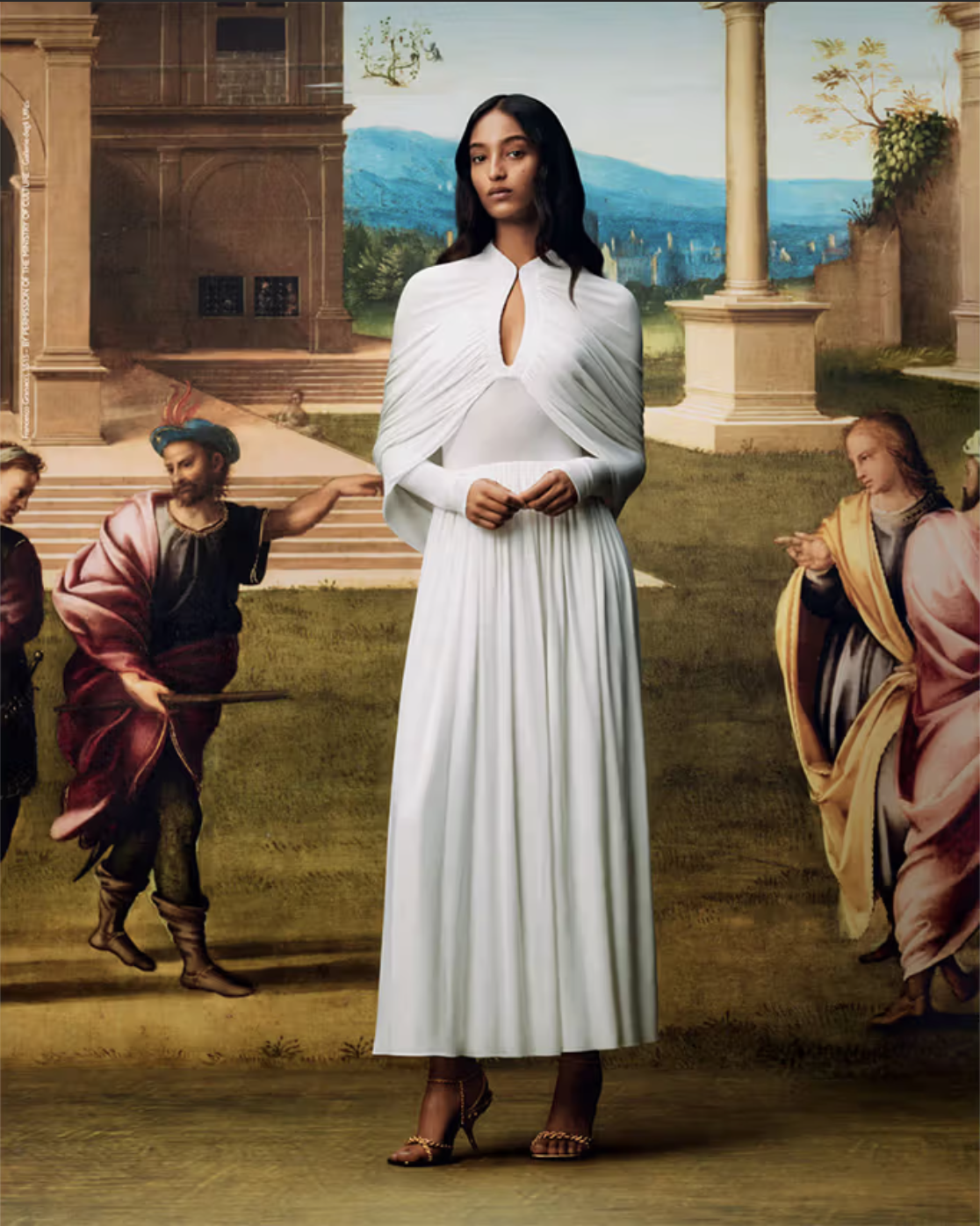

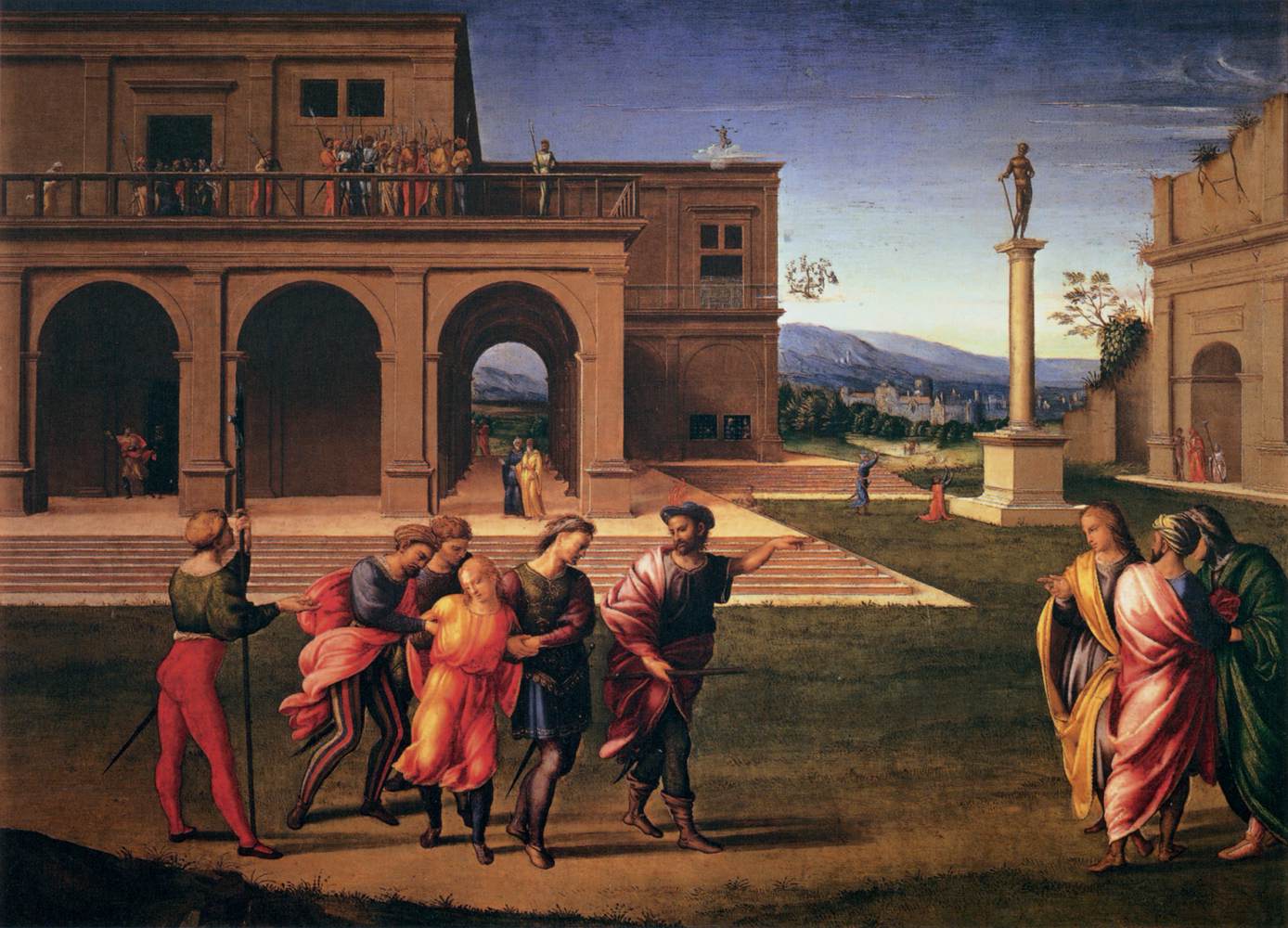
Paolo Veronese’s Annunciation (1570–75), Francesco Granacci’s Joseph Going to Prison (1515), courtesy Gallerie degli Uffizi & Ferragamo New Renaissance Campaign, courtesy Ferragamo
The presentation of the ultra-modern pieces against the Renaissance backdrop enables the house to anchor its craftsmanship into a tradition bigger than itself. By referencing Renaissance icons, it settles its creative enterprise into the global cultural consciousness. It is hard to imagine an artistic movement that had an impact as important as the Renaissance, on every aspect of the Medieval societies’ lives.
By choosing to make such a bold statement, in a coherent, convincing and concise manner, there is little more the house needs to do to elevate the status of its design and expand the reach of its storytelling. By being compared to artistic realizations of this caliber, the clothes, shoes and accessories become something more. They are precious, unique, jewel-like objects that surpass their materiality. The items are not only fit for the models, creatives and artists making the shoot, they are made for royalty, nobility, and the finest people there are. They become art pieces, too.

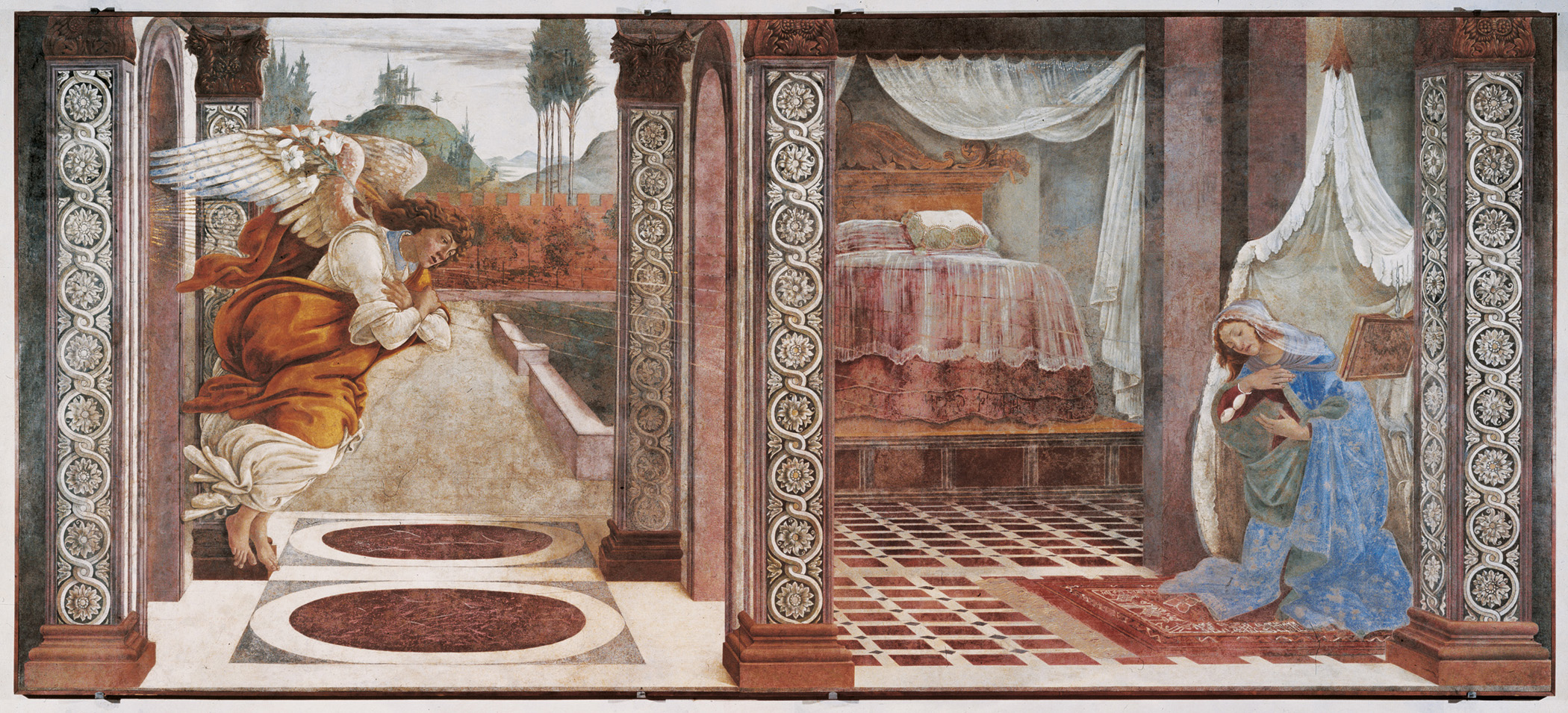
Botticelli’s The Annunciation of San Martino alla Scala (1481) & Ferragamo New Renaissance Campaign, courtesy Ferragamo
While one might blame the simplicity of having a shoot in front of masterpieces effectively doing all the work, the stunning color-compositions, the modernity of the behind the scenes angles and the intense simplicity of the stances perfectly balance the heaviness of the Renaissance visual langage. Less is more, always.
 mabou
mabou 
Leave a comment