This Summer 2023, Prada unveils their collaboration with Venezuelian-American artist Alex da Corte. Centered around the Galleria bag, a Prada icon, the collaboration titled “The Glass Age” extends from the product to a communication campaign featuring American actress Scarlett Johansson. In 2020, the Italian powerhouse already presented the work “Rubber Pencil Devil” by the multimedia artist in their space at the Fundazione Prada in Shanghai. Covering video, performance, installation, painting, sculpture, this is the first time the artist works on a fashion project.
This collaboration is interesting and effective for two reasons: the new story around the bag, and the communication focusing on a message beyond the product. It gives a new status to the Galleria bag that is not the most trendy, but one of the most successful piece of the Prada wardrobe. It was created in 2007 by Muccia Prada and named after the Galleria Emmanuele II in Milan, where Muccia’s grandfather opened his first shop. It was inspired by the practicality of doctors’ bags and is made out of the signature, hyper-practical Saffiano leather.

In terms of communication, the campaign makes a statement about the powerful status of glass, a trope dear to the artist. In a world that is ever interconnected, glass is our primary medium of engaging with almost every and anything. More critically, it is the most powerful tool of transformation ever created, a power exponentially intensified by the use of social media. By inserting the Galleria in the artist’s engaged and thoughtful creative landscape, Prada says something beyond the product and engages viewers and consumers into an intellectual reflection on our society. In short, one is not merely buying, one is learning and growing, elevating themselves.
For the occasion, Muccia Prada and Raf Simmons imagined eight iterations of the bag with geometrical forms from ovals to triangles or simple lines, in conjuncture with bold, pop colors taken from the vocabulary of Alex Da Corte. The artist is known for his large scale multimedia installations focusing on creating feelings in the viewer that becomes part of the installation. Navigating high and pop culture, the artist’s installations are full of references but always purposely leave room for interpretation. The colors, like in the clothes, are immediately linked to emotions, and multiply the potential for presentation and representation. For identification.
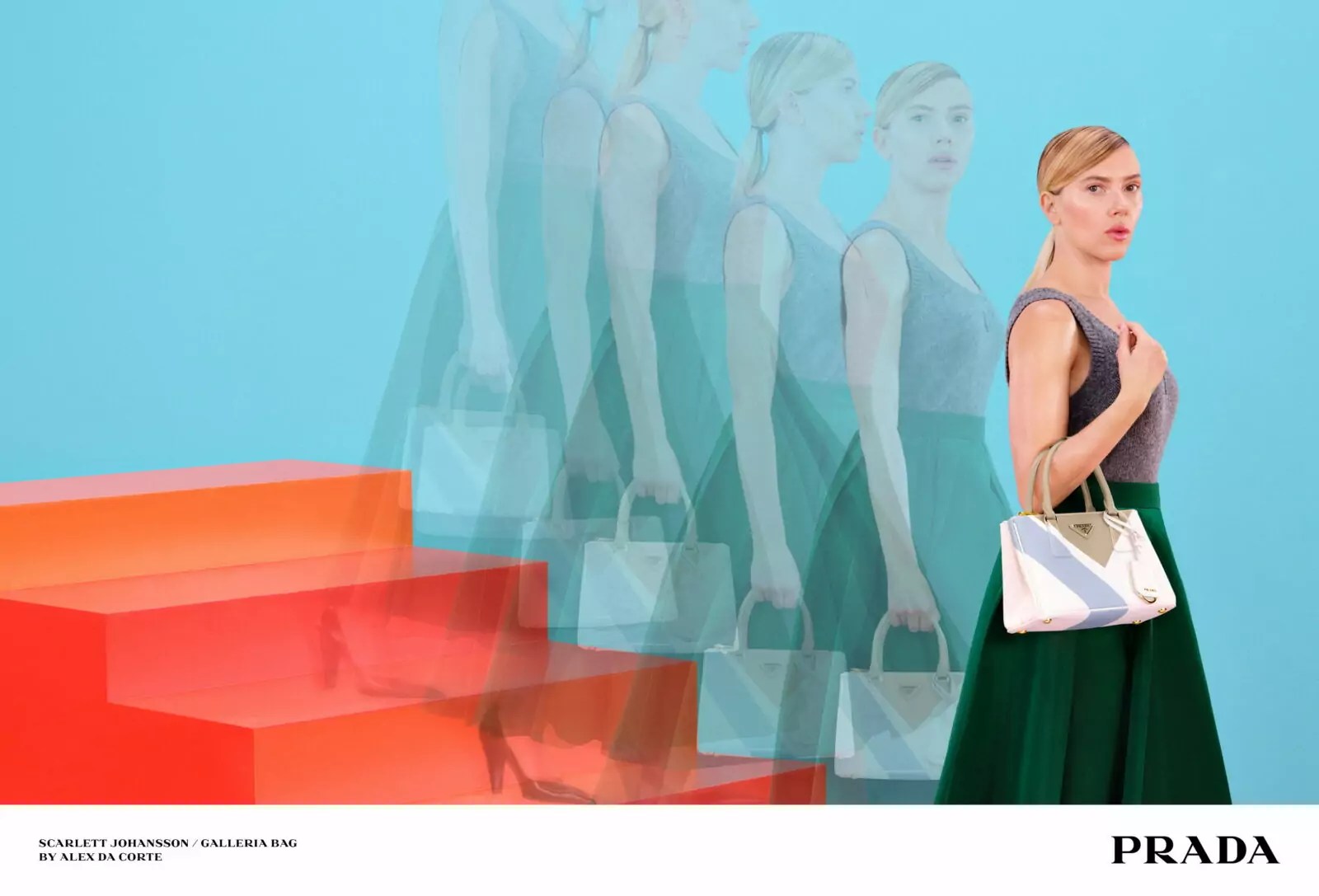

Prada Campaign, Courtesy Prada / Alex Katz, The Black Dress, 1960, Courtesy Wikiart
This allows to address several degrees of messaging, a tool that is astutely used in the campaign. In a series of shot and in a video, Johansson repeats the same sentence several times. The role of the actress as a figure taking many roles and many faces, bending herself to fit a director expectations for a role becomes front and center as she changes clothes (and bags) through the glass of a window.
The actress, an icon of popular culture, endlessly repeats the same sentence: “Our love is reds, and yellows, and blues, and greens; our love in lavender, and browns, and golds, and grays”. Is the repetition a reference to the numbers of takes needed to make a movie? Or to the endless variety of possibilities for styling, making, creating? Is it a reference to the timelessness of the iconic bag? “In the Galleria campaign, Johansson transforms constantly, framed and reframed by a sublimation of the everyday, translated into pure color.” says the press release.


Prada Campaign, Courtesy Prada / Piero della Francesca, Double Portrait of the Urbino Dukes, 1473-1475, Courtesy Galleria degli Uffizi
The bag is supposed to be the subject of the campaign, but really, it is the omnipresence of the glass through which a world is created and modified that is the subject: things are more complicated than they appear. Images are fake, they are bended to fit a person’s expectations. Clothes and bags are a tool we use to build and display our identities to the world, it is shaped and framed, in real life, but more critically through the glass of our screens.
Where the reflexive relationship with a movie, or even a campaign can seem one sided, that is, the director and film-makers shape the message, it has taken a whole other dimension with social media, where consumers are as much producer of images as the brands are. And, as demonstrated by the influencer economy, sometimes more organically, and consequently, more efficiently than the brands themselves.

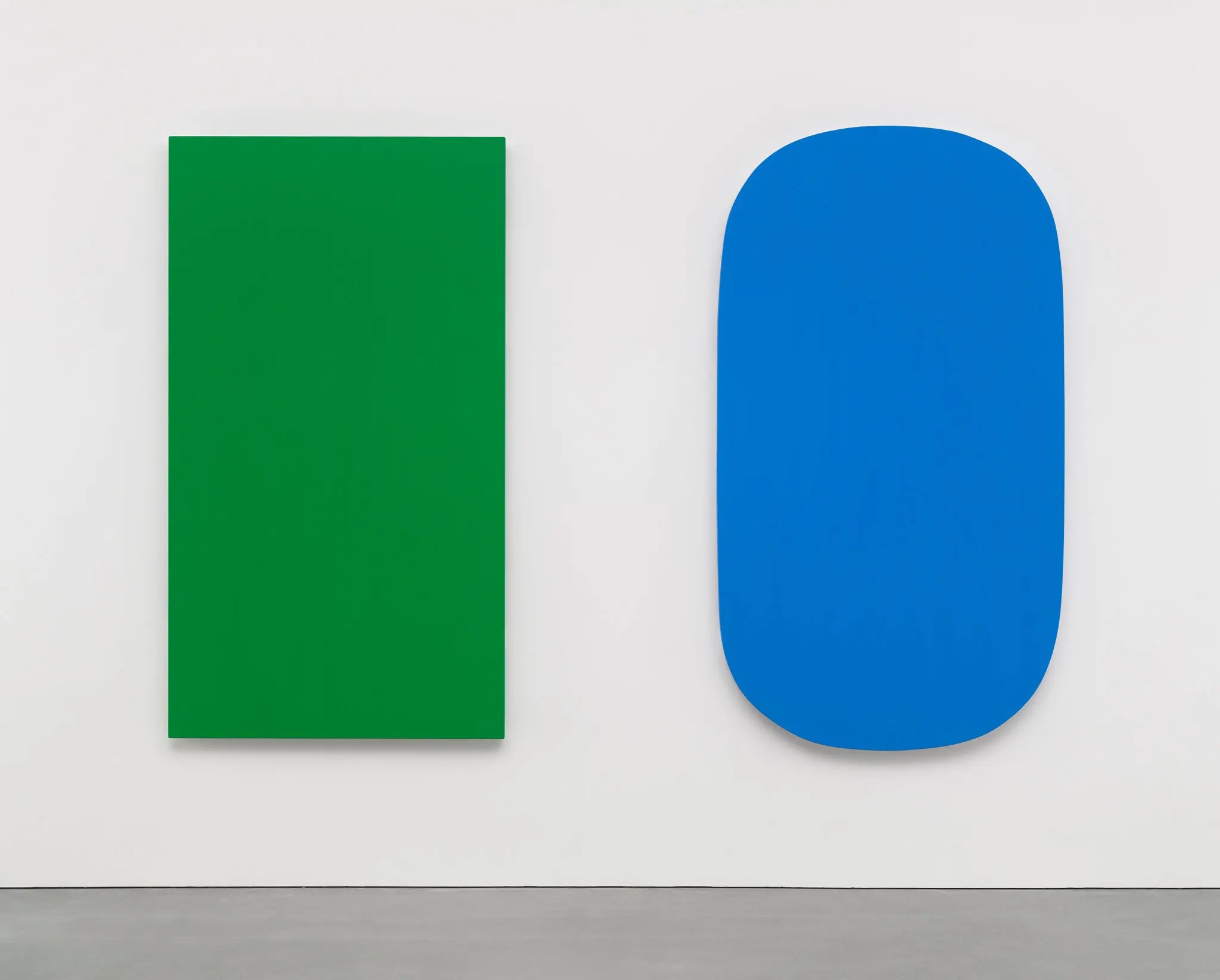
Prada Campaign, Courtesy Prada / Ellsworth Kelly, Diptych: Green Blue, 2015, from “Ellsworth Kelly: Last Works,” at the Matthew Marks Gallery, Courtesy Ellsworth Kelly, via Matthew Marks Gallery
Interestingly, it adds hype to a product that was not created for amusement or it-status. It is simple, practical and functional, like glass. But likewise, it can be reinterpreted and romanticized in the right context. The campaign pays homage to imagination and the expansion of the human mind. Images in boxes, we most certainly engage with through rectangle screens have self-sufficient layers of depth but are magnified by their wealth of references.
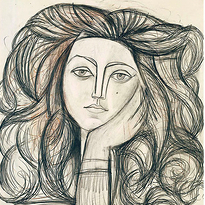
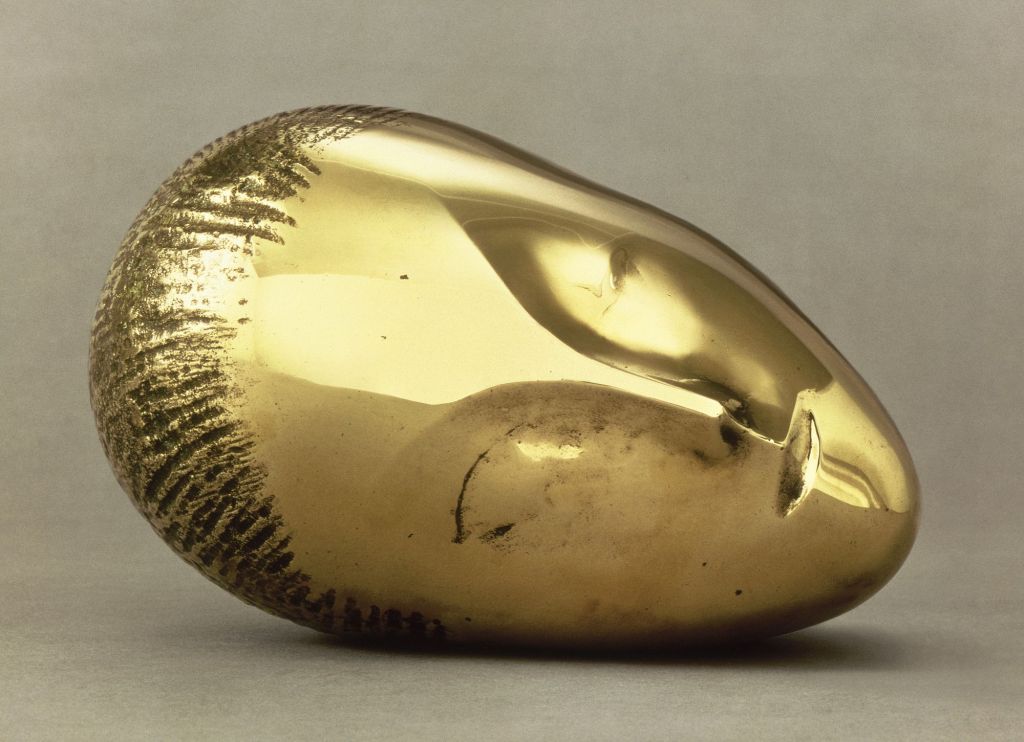
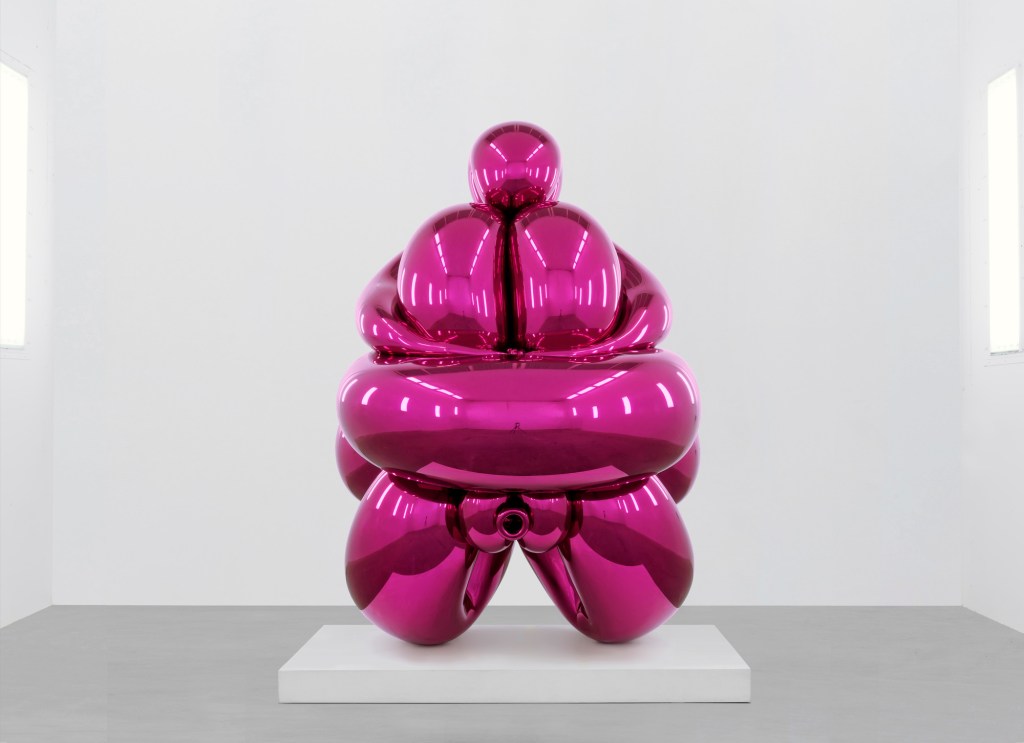
From an oval at the intersection of a Jeff Koons and Constantin Brancusi sculpture, to flat colored shapes à la Ellsworth Kelly to the multiplicity of a single figure reminding me of Alex Katz, this campaign is a masterful balance of strong messaging and self-interpretation, leaving the viewer inspired, engaged, and, quite frankly in awe.
 mabou
mabou 
Leave a comment