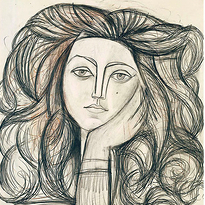
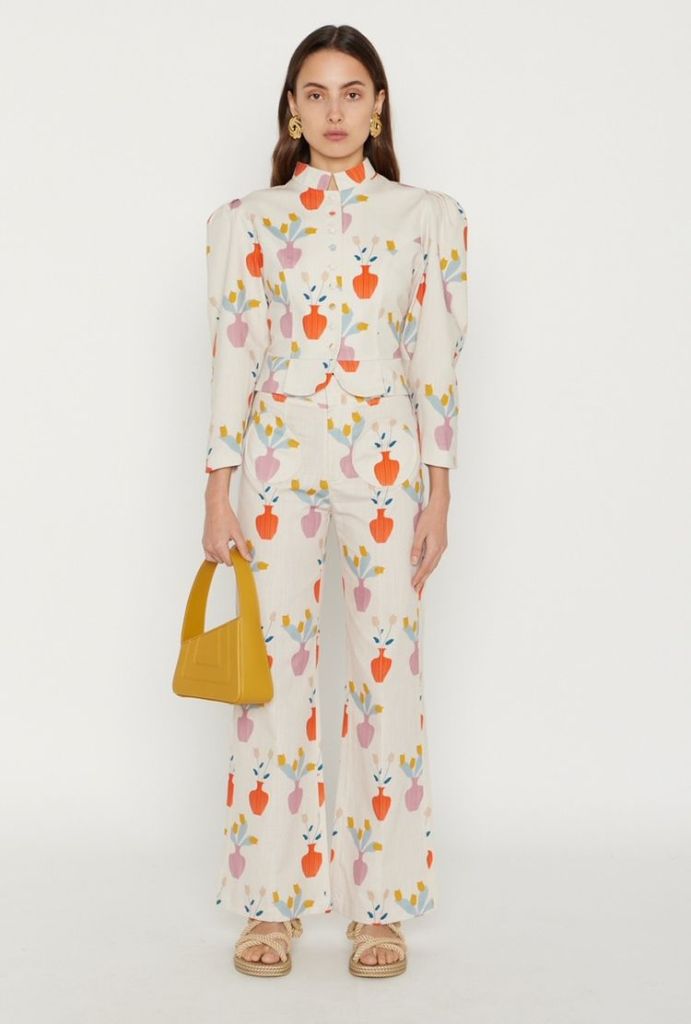
In April 2023, the young French label Destree, founded in 2016 by Géraldine Guyot and Laetitia Lumbroso revealed “The Essence of Color”, a collaboration with Paris-based French-Italian artist Ben Arpéa. The collection featuring ten pieces ranging from jackets, pants, or dresses features some signature styles of the label reimagined with the colorful motifs taken from Ben Arpéa’s pictorial language. The collaboration is simple but incredibly efficient.
First, it is bold, with strong colors and lines: in tune with both the label and artists’ visual language. Second, it successfully feels exclusive, because of the limited number of articles and the right balance of subtlety and assertiveness. And thirdly and most critically, the message almost naturally aligns between the brand and the artist. This, is what creates a successful additive collaboration going beyond the separate universes of the collaborators.

Critically, from the inception of the brand, art references have been front and center. According to their website, the world of contemporary art is a source of inspiration for Géraldine Guyot. Parisian with an international mindset, the brand honors “visual dissonances”, with assemblages of colors and geometry acknowledging definite asymmetry.
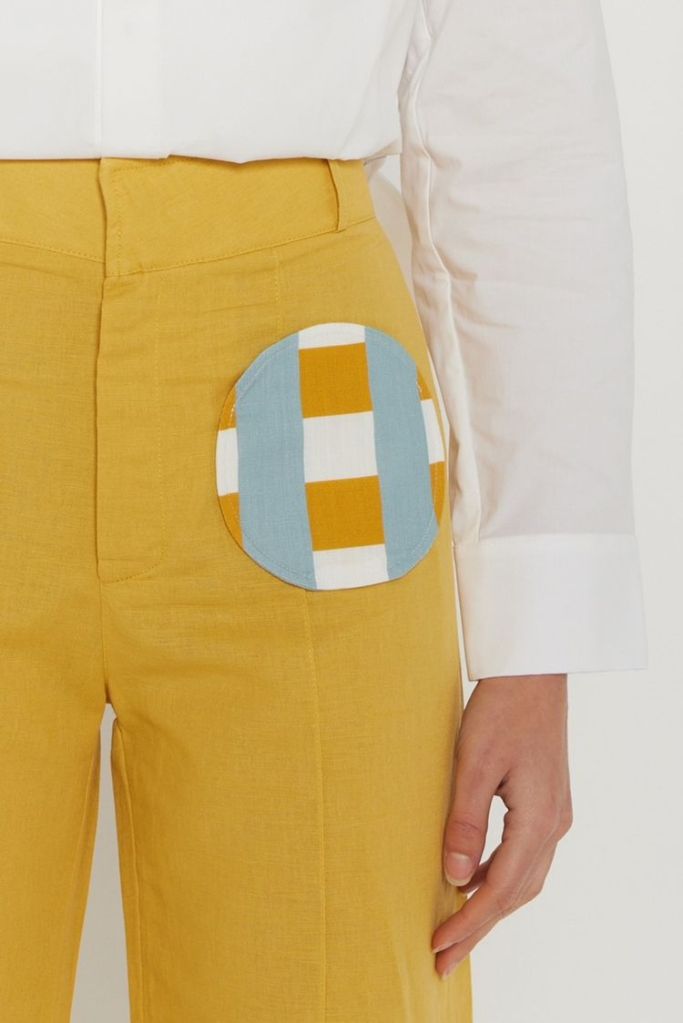
References to contemporary art are everywhere, from the shapes of the clothes, the pocket or buttons, to the names of the pieces winking to YAYOI (Kusama), AMOAKO (Boafo), or HANS (Hartung). By choosing to use first names, the brand creates an organic intimacy with the art world but also allows personal identification for consumers, who feel connected to the brand beyond the products. The visual language adopted by Destree is resolutely bold and colorful.

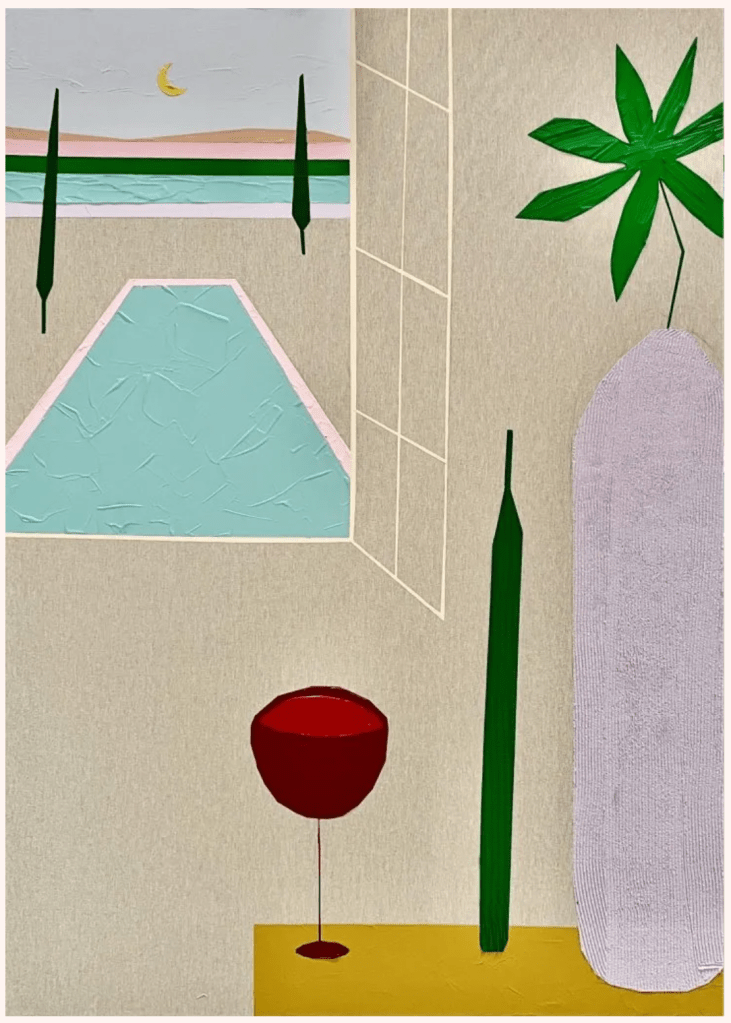

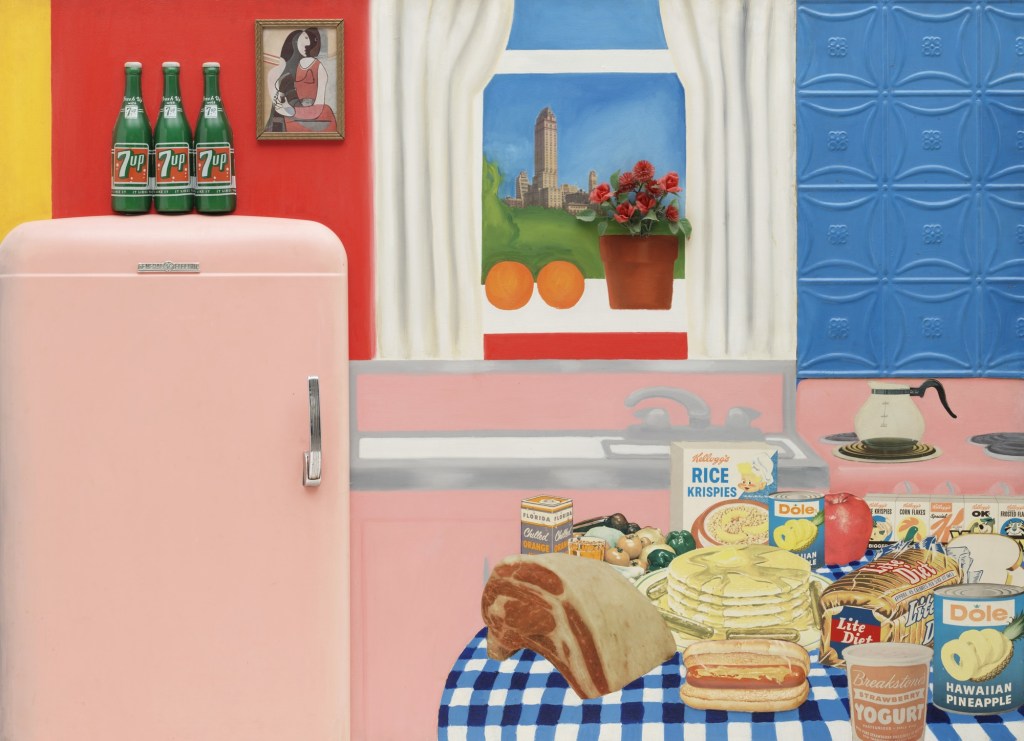
Ben Arpéa’s work is inspired from the traditional patterns of still life and architectural landscapes, with a pop reinterpretation. The simple but strong lines used in conjunction with colorful flat textured areas situates his painting at the intersection of figuration and abstraction. References to Renaissance architectural scenes or to Flemish still lives are updated through pop art and abstract expressionist references paying homage to the artists he admires “Tom Wesselmann, David Hockney, Jonas Wood, André Breton”. Suspended in time and space, his scenes convey some of the eeriness emanating from Giorgio de Chirico’s body of work.
In short, the focus on color and geometry cherished by both Destree and Ben Arpéa makes this collaboration intrinsically visually convincing – as has been stressed by both parties. More than that, the limited number of articles, the decision to oscillate between print and embroidery to best fit the design, and the uniqueness of each iteration of the collaboration makes the collection evidently thought through. As a show in a gallery, each piece feels unique and exclusive, carefully conceived and produced. In each, one can feel the quest for the right balance in the conversation between the artist and the brand.


Critically, therefore, the product aligns with the message: a plea for contemplative self-introspection and self-definition. The work of Ben Arpéa feels like a dreamlike escape, through landscapes we hope to visit in holidays, moments that we wish we could freeze in time. At the same time, the pastel colors leave space for bolder splashes of familiarity engaging the viewers in an intimate dialogue with a space one can project themselves in.
In the collaboration, this translates in checkered blue and yellow stripes, borrowed from a pool or sunshade? It also translates in the flowers in a vase print, an invitation to lasting Summer dinners? This slow contemplative state also aligns with the design process of the brand which clothes navigate casual and smart, with a definite timeless appeal.

As has been made clear before on this blog, I find the collaborations and strategies at the intersection of art and fashion particularly interesting and effective in raising the profile of both an artist and a brand. For artists, it gives them a form of commercial visibility they would not necessarily enjoy through the gallery or institutional channels: it reveals and positions them within our shared cultural consciousness. At the same time, it allows them to work or different mediums or through different lenses broadening their practice and perspective.
For brands, it allows them to elevate the status of their identity and products by equating their language and tools with the world of fine or contemporary arts. This strategy is not new, and, as demonstrated countless times here, has become so ubiquitous within the luxury industry within the past twenty years, that the large conglomerates have mastered the communication and value addition around them. Some are extremely successful, some feel half done. But that is the also the beauty of a collaboration, if it works, it leaves a lasting effect elevating the whole universe of a brand. If it fails, people forget after the regular, increasingly faster cycle of a collection.
In the past, I have also criticized the simplicity and deceptiveness of some collaborations between big names: for international luxury labels and high-profile blue-chip artists included, less is more can sometimes feel lazy. It can feel tone-deaf instrumental and lacking depth. I have also looked at some of the more up and coming labels engaging in some strategies around artists and the art world: from products to communication.
But the reality is that few fashion brands have defined their entire DNA around art. Quite obviously though, having a brand identity already defined around the art world places Destree several steps ahead when it comes to collaborations with artists. The story-telling around the collaboration is limited, but it almost feels like they do not need it, the products work because art is already central to the brand identity. In that case, less is more does not feel lazy, it just is.
 mabou
mabou 
Leave a comment