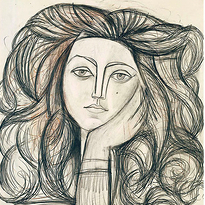

This February-March round of Fashion Weeks were a mix of bold, quirky, utterly eccentric but completely unwearable designs (especially in NYC) and some of the most discreet looks luxury houses have presented since at least before the pandemic. This is happening on the backdrop of uncertain economic forecasts, rising interest rates, and a looming recession paving the way for what has been coined Quiet Luxury.
In fact, fashion responds to societal realities, and what is presented on the runway reflects the mindset in which designers expect consumers to be in when the collections will hit the stores. The FW23 vintage expects the recession to be in full bloom comes the Fall, as the effects of the monetary policies fully impact the real economy leading to rising unemployment rates and decreased discretionary spending, including among high net worth consumers.
Dior, for that matter, presented one of the most simple, not to say boring, collection under the creative direction of Maria Grazia Chiuri. Actually fitting for a Maison whose founder understood the postwar zeitgeist and mindset characterized by a desire for elevated comfort. The 1947 New Look, with its Bar Tailleur and long flowy skirt freed women’s chest and movements while conserving the extreme refinement of bourgeois outfits.

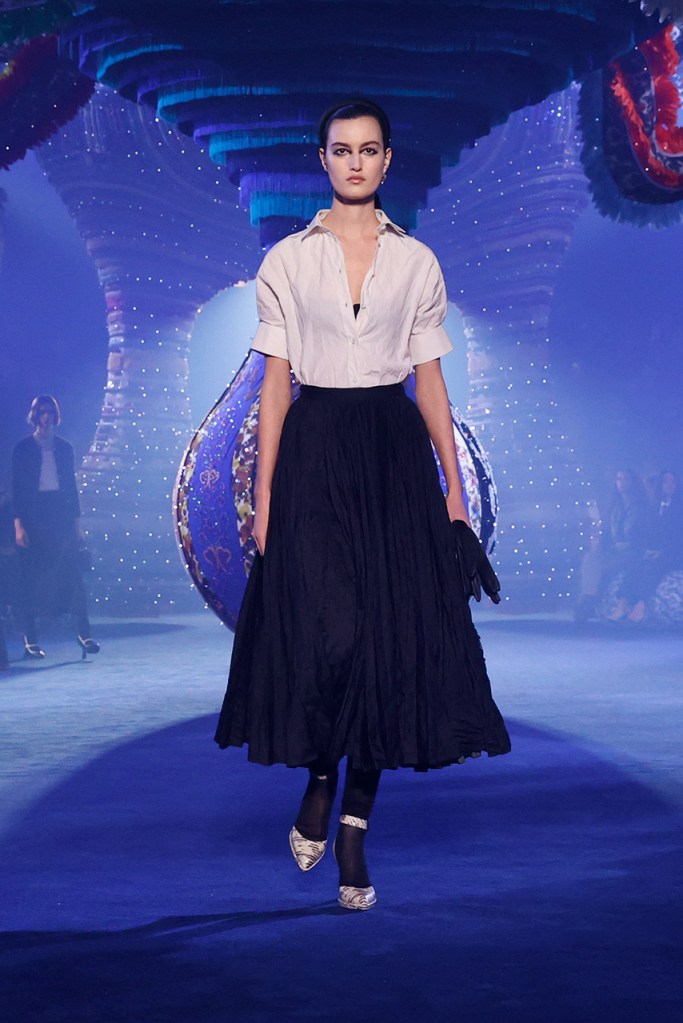
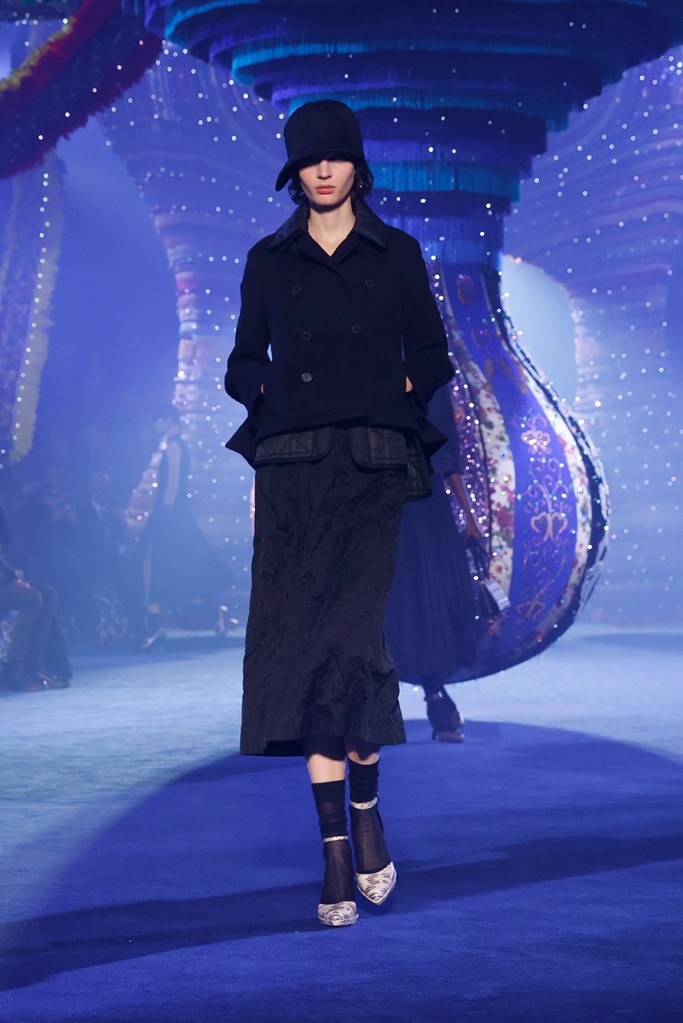
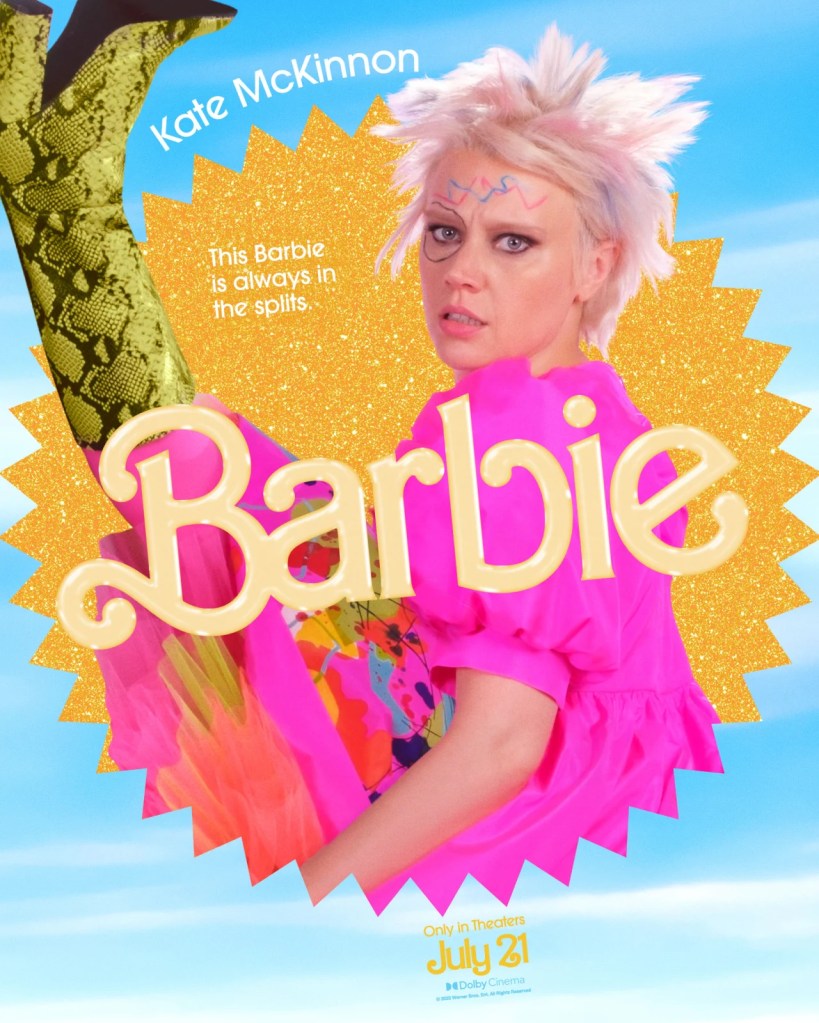
The reality of 2023, yet, is more nuanced within a booming luxury industry that has permeated every aspect of both pop and highbrow culture. This means the coexistence of several strong creative ecosystems. Indeed, if it feels like the Y2K revival is right behind, its effect are much more long lasting and visible in some of the upcoming FW23 trends. Its love for the borderline tasteful, youth-incensed provocative clumsiness and oversaturated “please look at me” color palettes will be front and center this Summer as the Barbie movie will be hitting theaters in July. Just look at Sofia Richie’s wedding outfits: simple white Chanel dresses and pink logo-covered bodysuit.
I already wrote about the omnipresence of pink and its women-centric message-sending tools, and I said that, despite inevitable upcoming consumer fatigue, we would be stuck with it for at least the full year. If that still holds true, the concomitant reemergence of Quiet Luxury proves that the reign of pink is showing some considerable cracks. Consumers are ready for simpler, more understated looks.


If the series Succession seems to be responding to a collective need for quieter fashion, it also underlines an “expected” behavior towards luxury fashion, and stresses that true luxury is not about trends. Quality is not about logos and patterns, but about fabric, shape and construction. It is about being in the known, that is, understand only what is only accessible to the ones able to afford to wear and explore the folds and pockets of the real thing. But the luxury industry also cannot afford to stay quiet in an hyper-competitive landscape.
Quiet luxury has always been here. It is timeless style and elegance as opposed to trends. Its seeming omnipresence is more of a recontextualization than a new phenomenon. After the ostentation of post-covid over-showing, over-spending, and over-stretching, people are questioning what is worth their time and money. They want to invest in longer lasting, classic pieces, that will not loose their value as soon as the creative designer changes, or simply changes creative line. Alessandro Michele’s exit at Gucci is just one symptom of this new reality.
Surely, logos and patterns are not going away, after all, they are among the most valuable goodwill a luxury fashion company possesses, but they might not be as overused as they currently are. Brands will need to find other way to display and claim their brand identity and unique value proposition. That means doubling up on communicating about the way their products are made and the value they stand for. It includes offering unique experience and exceptional products, not only because they look good, but because they are true masterpieces of craftsmanship.


In some ways, the rise of what has been dubbed Quiet Luxury is an opportunity for brands to recenter their production and communication by finally putting their promises for more sustainability into concrete actions. It is an opportunity to rethink their strategies and business models to align their values and their operations, actually standing for better-made products, that last longer, and that are part of a house’s heritage rather than a trend everyone is riding on.
In this process, story-telling and branding will be critical. Since products will become more discreet, brands need to find other channels to quickly impact people minds. They will need to be increasingly original, thorough and agile in understanding their markets, audiences, and business lines, to fully set light on why and how their are not like competition, while creating organic engagement.
 mabou
mabou 
Leave a comment