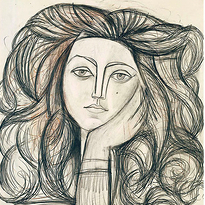

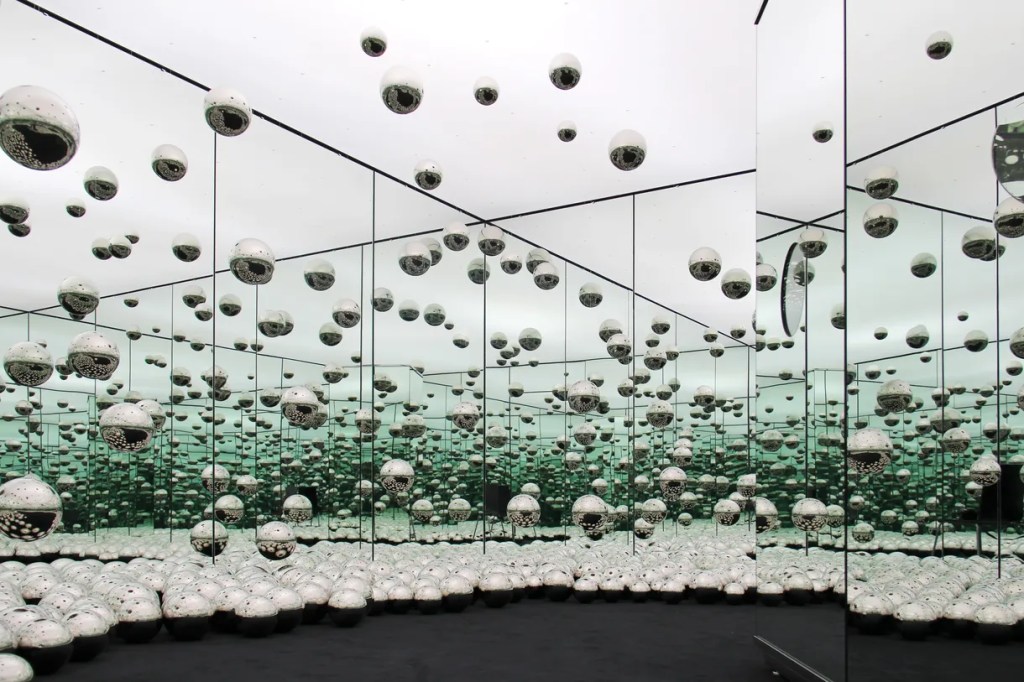
This January marked the launch of the newest collaboration between the luxury house Louis Vuitton and the most famous woman Japanese artist of her generation, Yayoi Kusama. The two already collaborated ten years ago on a collection of polka-dotted and pumpkin-decorated accessories and clothes – the two are signature motifs of the now 93-years old artist. This time the focus on the artist’s “Infinity Mirror Rooms” reflective balls was preferred over the pumpkin and tentacles motifs of the first collaboration.
The newest collection spans more than 450 articles and required an effort from every department of the Maison, according to Delphine Arnault, at the time Executive VP of Louis Vuitton and now CEO of Dior. Additionally the release of the collaboration was accompanied by an immense scale global campaign that took over Louis Vuitton stores around the world as well as billboards.

On paper, nothing new under the sun when it comes to the caliber of Louis Vuitton’s collaborations with artists. One can only admire the amount of energy and effort deployed for a collaboration of this nature and profile. Yet, the 2023 collaboration arguably misses one of the most important marks of luxury fashion: fidelity to an identity. This translates in several key aspects: the products themselves, the marketing campaign, and most critically, the collaboration with the artist.
Most of Louis Vuitton’s artistic collaborations have proven extremely commercial. After all, the largest grossing revenue driver of the LVMH family is known for playing around the fine line between bad and good taste, tackiness and boldness. This is visible in the use and abuse of the monogram print and the resolutely pop art oriented collaborations the house has signed for during the past few years. Arnault underlined the house’s obsession with the monogram in relation to Kusama’s obsession with dots.

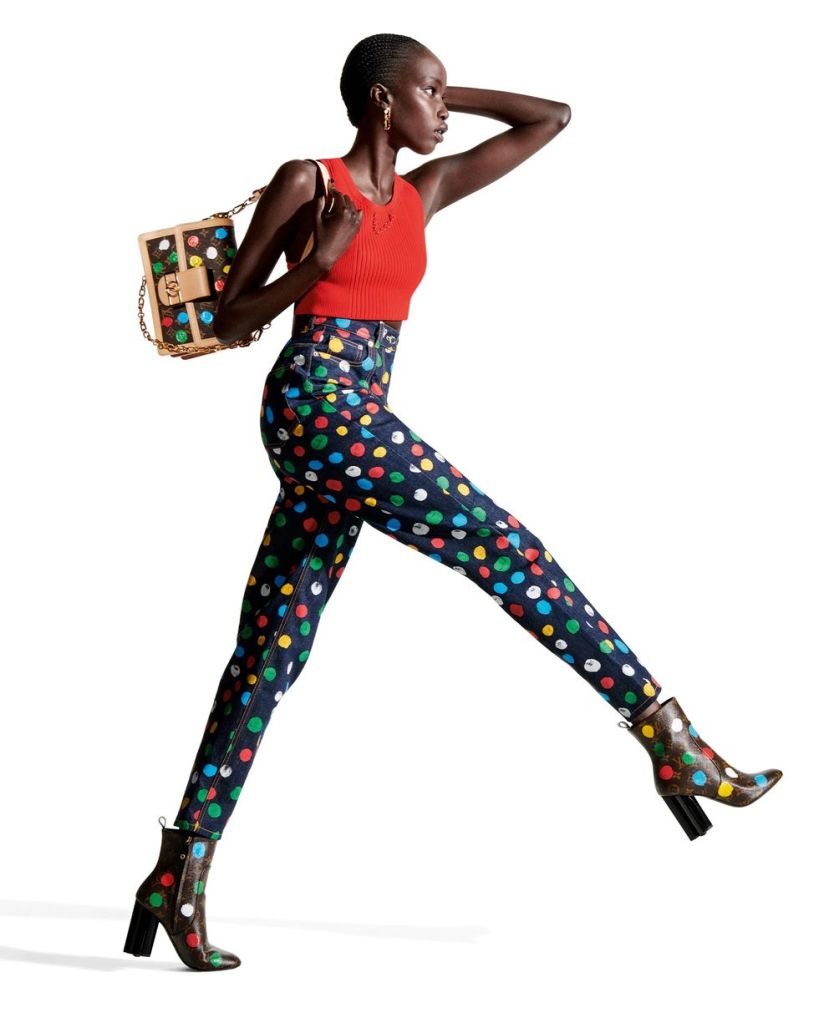
But this Kusama collaboration is different. The products are, except for a few exceptions, exceptionally boring. Nothing really new was added to the first iteration of the exercise. The only new aspect is the mammoth scale of products that have been overtaken by dots. If you are already feeling PTSD symptoms in front of all those dots, know that there is a second part of the collection to be released on March 31st.
Whether or not they were one’s taste is not necessarily the most important part. What is certain is that, with decent homogeneity, they were interesting, original, well-executed and commercially successful. It added a layer to the Louis Vuitton identity and conversed with the cultural zeitgeist.

Virtually all the signature bags, shoes, some accessories, clothes and even surfboards have been flocked with dots developed by Louis Vuitton in collaboration with Kusama’s studio to make them look as if they had just been applied to the leather or fabric by hand. While the primary concern of a fashion collaboration is understandably the commercial appeal, it should not foreshadow the artistic dimension, which is frankly limited here.
The second element creating a feeling of unease is the global campaign. The luxury giant did not shy away from any activation strategy and undertook efforts in (and outside) its stores as well as in department stores and pop-ups. This in-store relooking was accompanied by a global campaign featuring a star-dotted cast (pun intended).
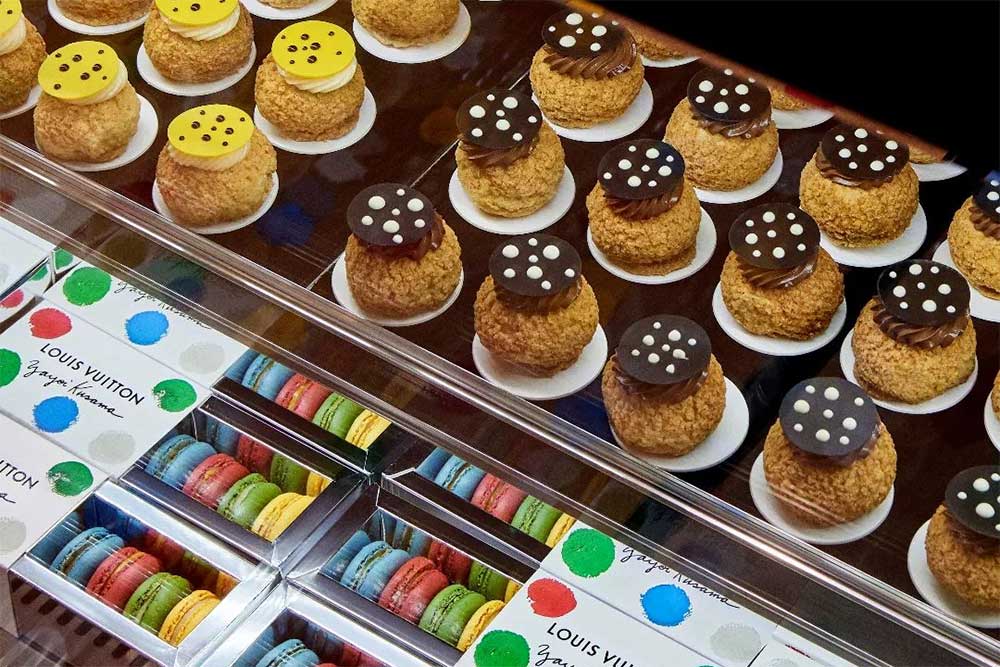
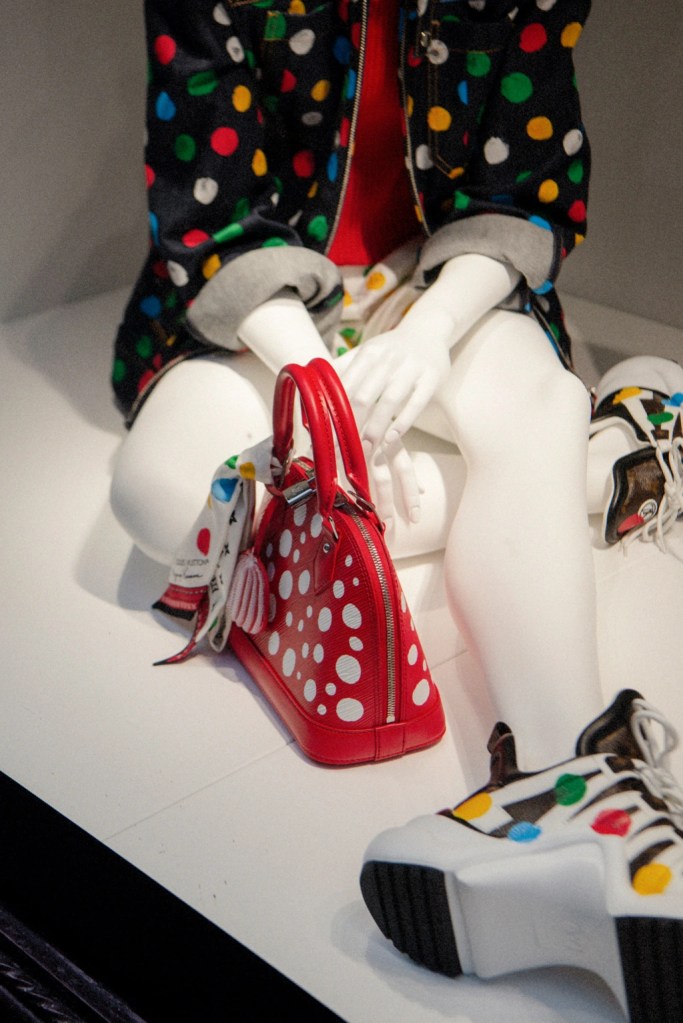
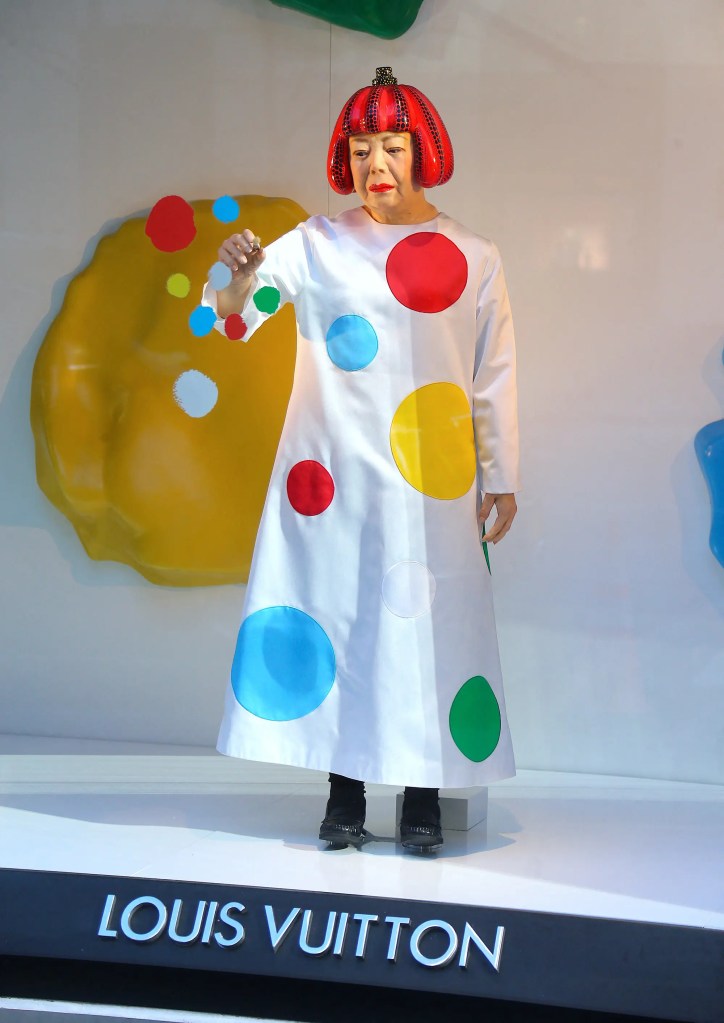
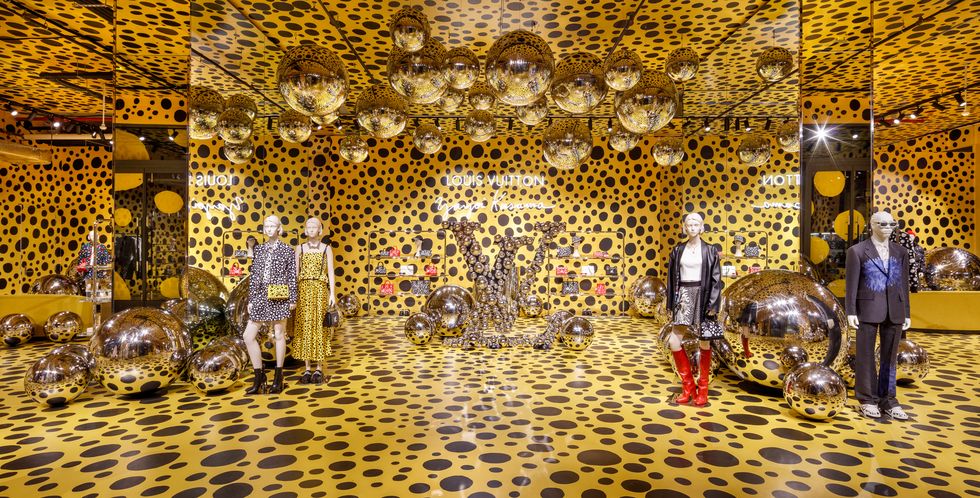
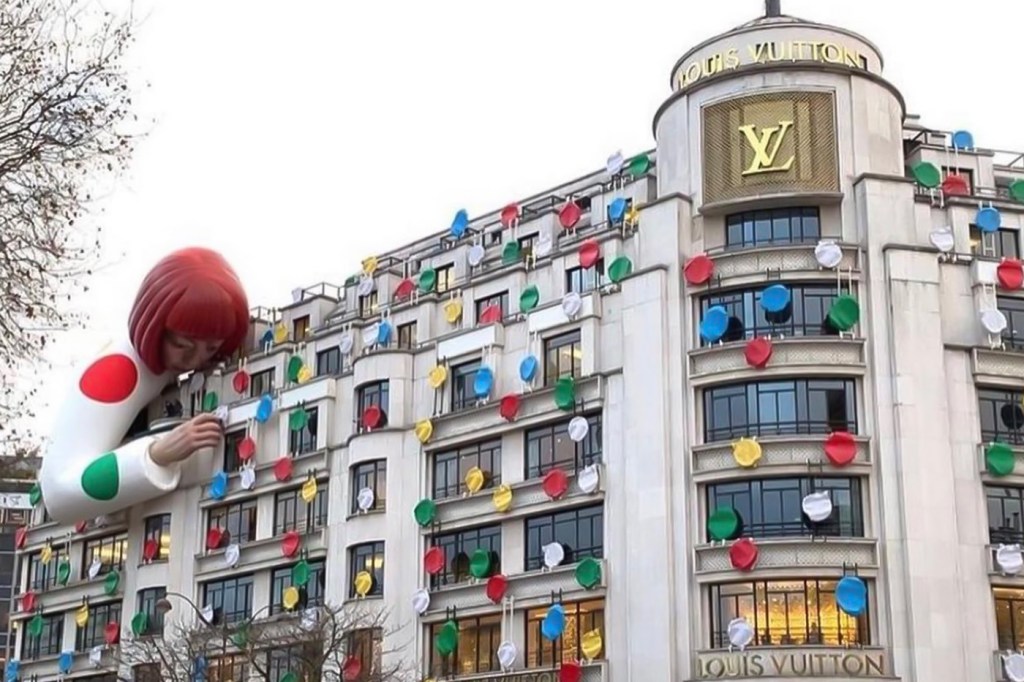
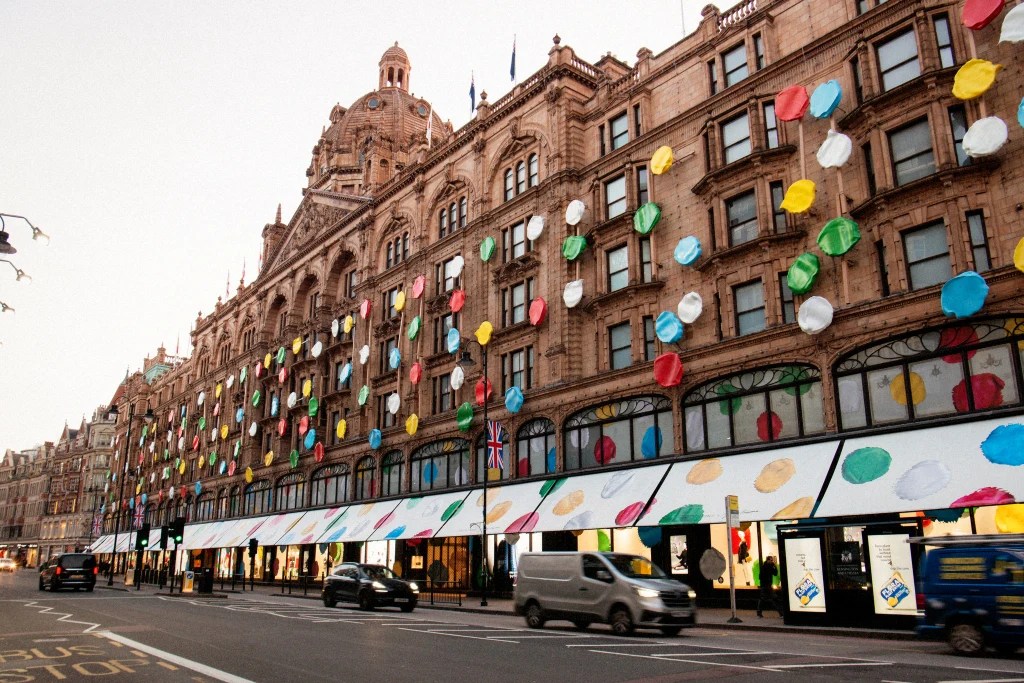
In Paris, the Champs-Elysees flagship was hugged by a massive balloon of the artist seemingly customizing the store with her dots. Boutiques have been saturated with all-over dotted wall-paper. Some store-windows from Paris to New York to London feature some truly creepy life-like robots of the artist at work. New York got a yellow pop-up with a giant LV sign made of reflective metal balls, a recurrent motif in Kusama’s Infinity Rooms. Harrod’s got its own dotted infinity room plus some dotted pastries. Less is more, you said?
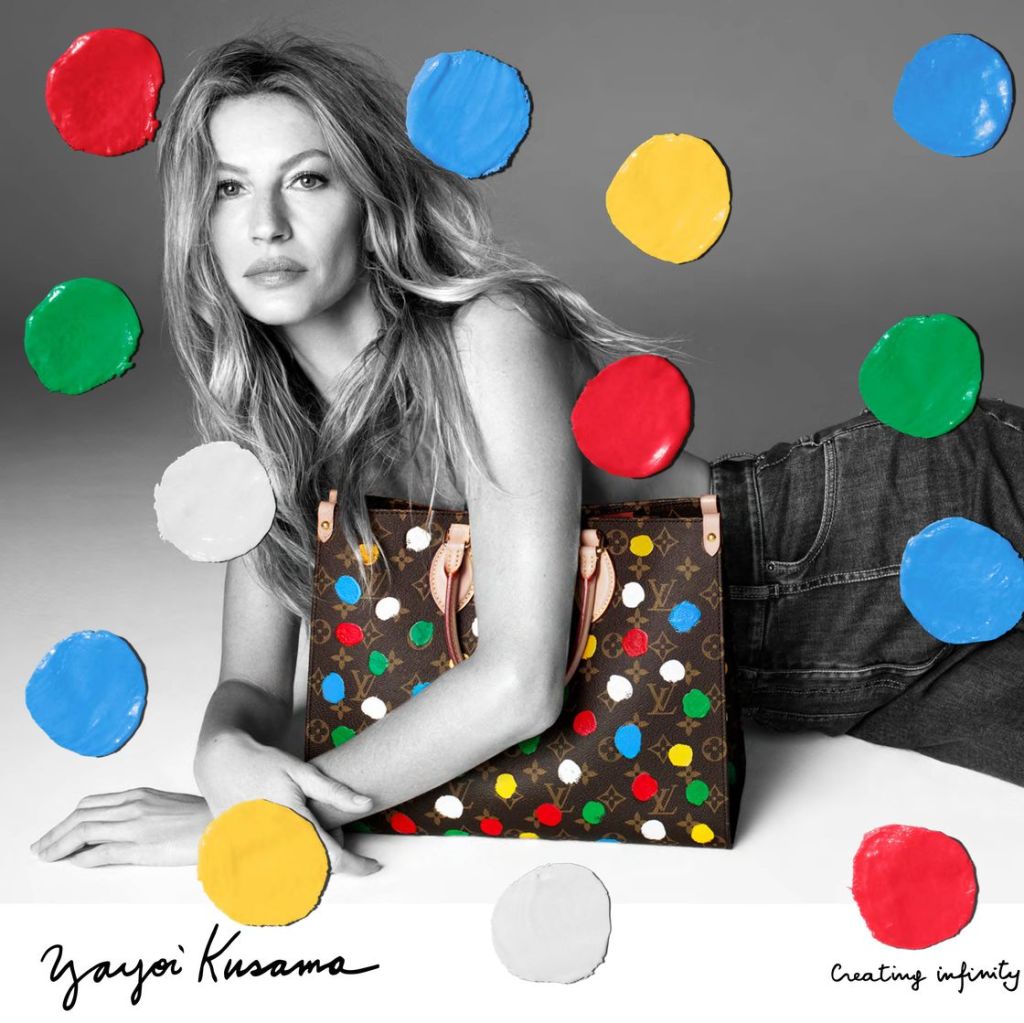
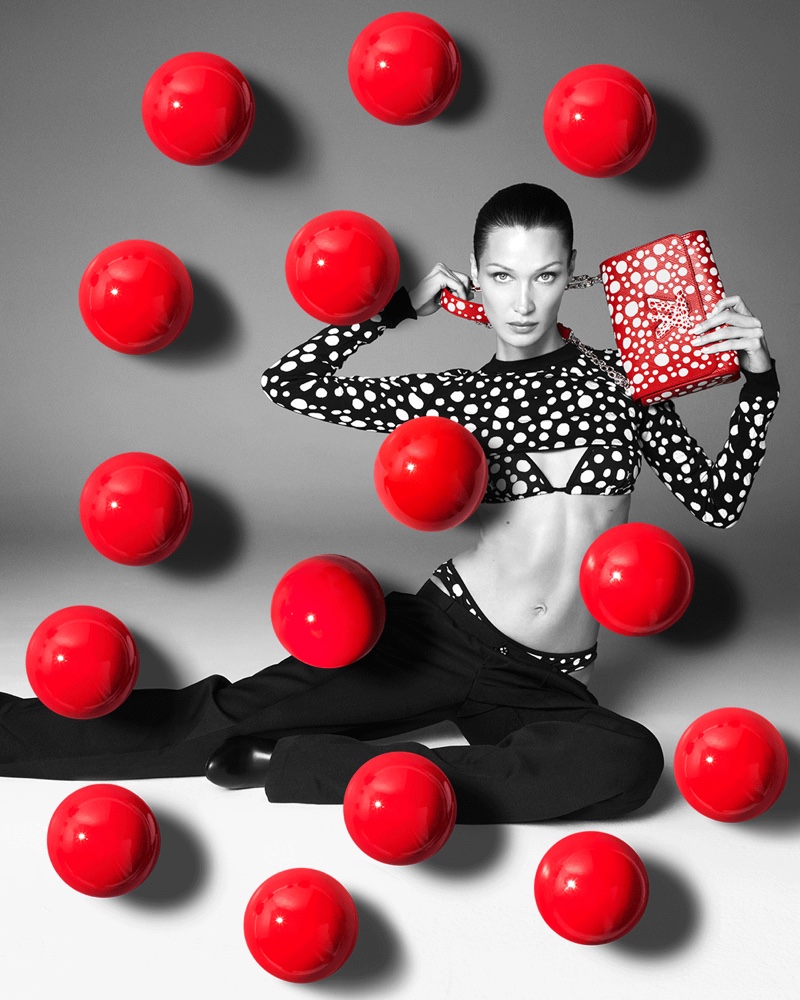
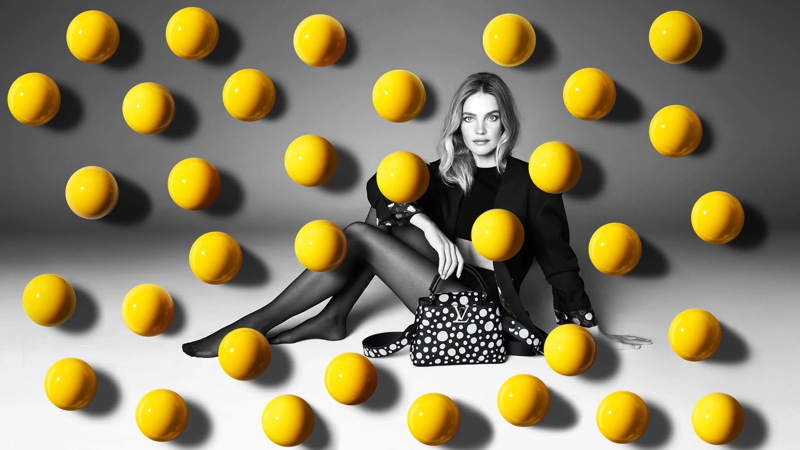
The campaign centers around models dancing in fields of metal balls, or mimicking painting some dots. From Bella Hadid to Gisele Bundchen to Karlie Kloss or Natalia Vodianova, Louis Vuitton hired the expected supermodels to promote the collaboration, but the campaign fails to unleash the full creative potential of a collaboration with Kusama whose art, as underlined by Arnault, is as simple as it is complex. In trying to make her – already accessible – art too mainstream, Louis Vuitton has ignored the subtleties of the appeal of a collaboration with the artist and her creative identity.
This brings me to my last, and most important point of contention: the absence of the artist’s voice. I truly believe that fashion houses are the new art sponsors. In an age of corporate sovereignty, organizations have become patrons and vice-versa. This is visible in the collaborations showcasing artists and giving them a global platform, audience and appeal, and in the growing cultural mediation fashion houses play outside of the product/commercial dimension.
But when it comes to collaborations with living artists, one would expect it to be a two-way street. For Louis Vuitton x Kusama, one is entitled to question the amount of input by the 93-years old artist interned in a mental health facility in Tokyo since 1977. While the original collaboration sprung from Kusama painting on a Louis Vuitton bag when Marc Jacobs, at the time at the helm of the Maison, visited her studio, this collaboration does not seem to have a story or connection with the broader cultural conversations.
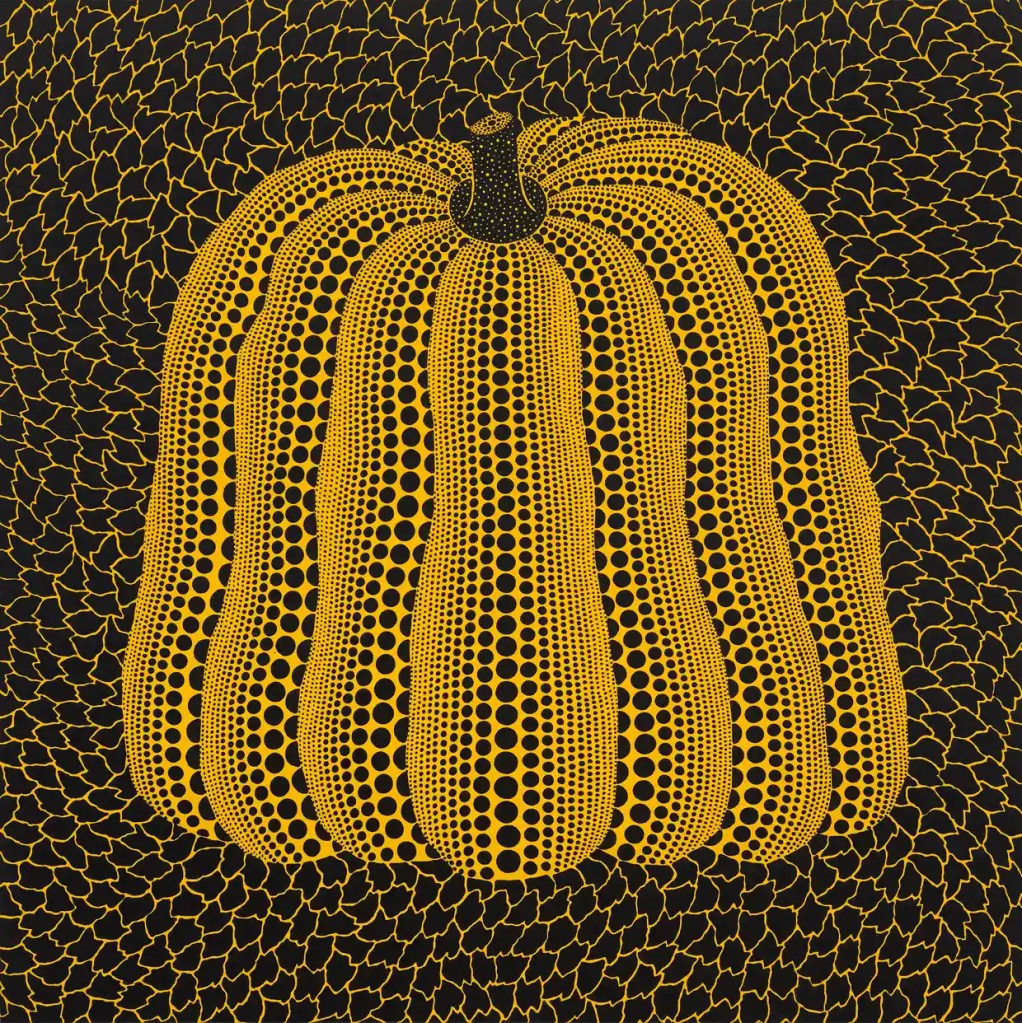
Courtesy of wndr museum
Additionally, the first collection coincided with the retrospective of the artist at the Whitney museum of American Art in New York City. “For the second time, Louis Vuitton has invited the preeminent Japanese artist Yayoi Kusama to a new creative encounter, reawakening, evolving and expanding on the pioneering initial exchange. The launch of the collection is celebrated with a campaign starring internationally renowned supermodels.” says the website. At least they are not pretending.
There has not been any communication from the artist, and a vague statement by her studio as underlined by the Instagram account @jerrygogosian. While making money probably helps the studio sustain other cultural efforts to showcase and promote Kusama’s work, the loudness of the artist’s silence is unsettling and begs questions of legacy and creative ownership. The – relatively discreet – visit of the Tokyo shop by the artist did not reduce the amount of questions I have.
All in all, as much as I want to find this collaboration interesting, we all know Louis Vuitton is capable of, not more, but better. The collection would have benefitted from a more exclusive approach, with truly sophisticated products and more art-focused marketing campaigns. Here, it just feels like a few things are not quite right…
 mabou
mabou 
Leave a comment