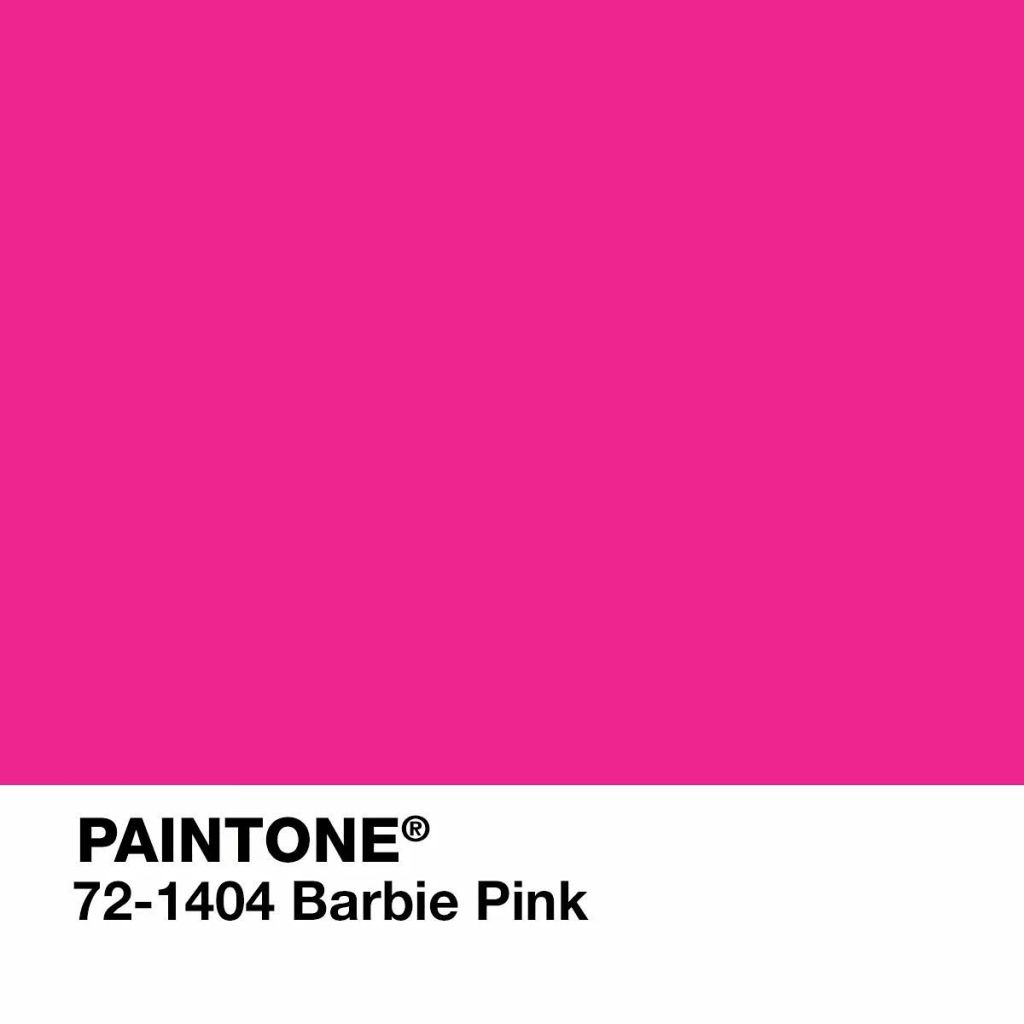
Think Pink! Blame it (or praise it) on the upcoming release of the 2023 Barbie movie featuring Margot Robbie and Ryan Gosling in, on the coming back of Y2K trends, or on the global need for thoughtlessness coming out of the Covid fatigue, but hot pink is everywhere. From Valentino’s catwalks to Jacquemus’ runways to Kim Kardashian’s Instagram, everyone is embracing what used to be labeled as excessively girly and borderline childish.


Indeed, pink is culturally considered as the embodiment of femininity, framed by patriarchal standards about what is expected of a woman, it is the gender reveal color at baby showers, the go-to gender indication in public spaces or toyshops… Barbie, the quintessential girl toy created by Mattel in the 1960s quickly rose to global fame. By the end of the 20th century, it was among the most powerful embodiments of gender conditioning at a young age, but also the expression of how adults have been taught to conceive of gender attributes for the past 200 years or so.
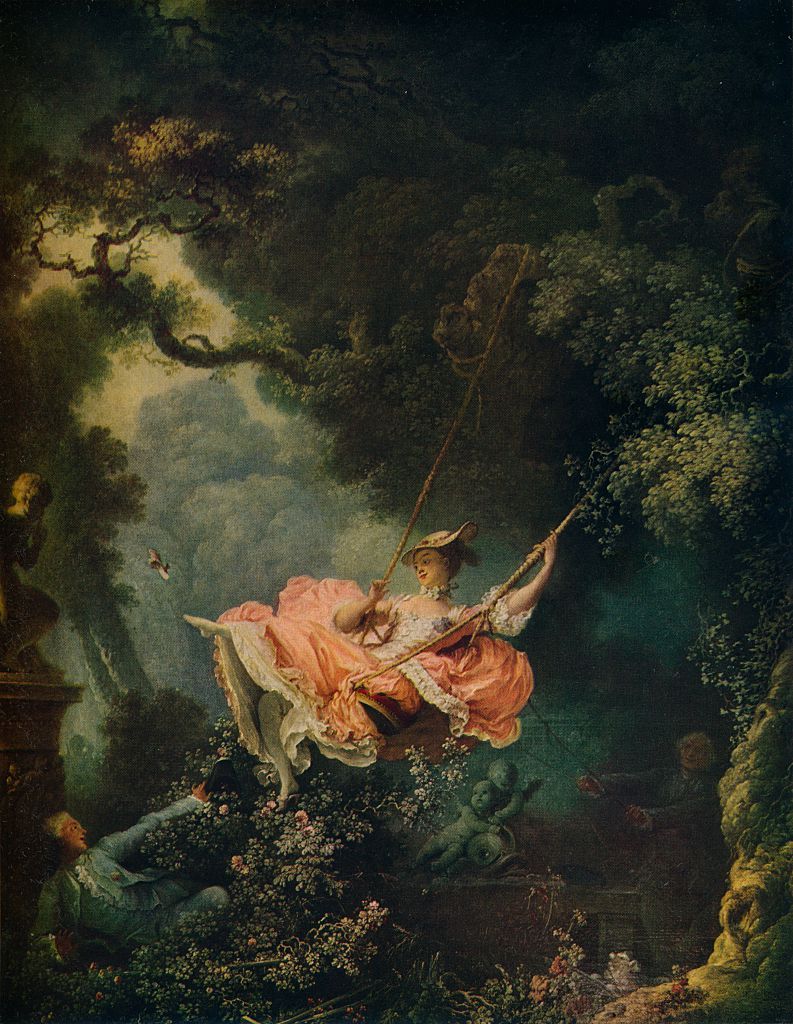
The color pink did not used to be associated with women; indeed it was used more sparingly and popularized in art and fashion during the 1700s by the men and women of the French Court. Madame de Pompadour, Louis XV’s mistress, even ordered her customized shade of pink crafted in Sèvres and called Rose Pompadour. In art, pink was associated with youth and romance but not yet femininity as exemplified by the Rococo work of Jean-Honoré Fragonard in a painting like The Swing.

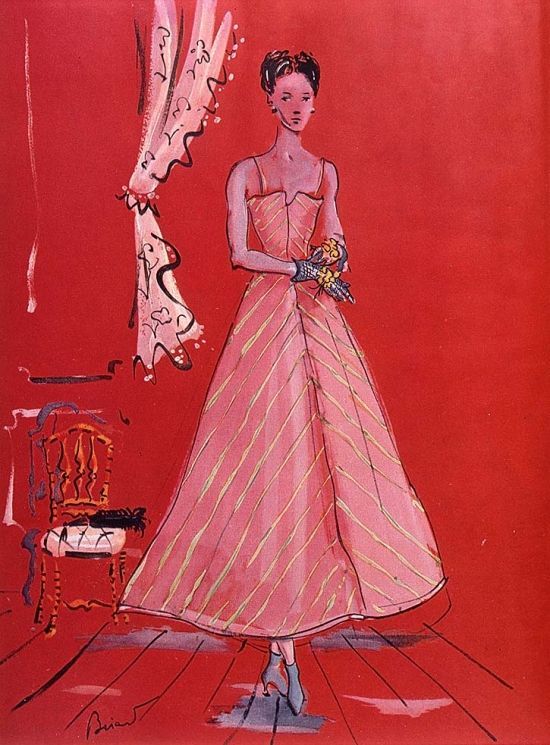
In the 1800s, pink was even associated with masculinity and baby boys were dressed in white and red, while soft blue was attributed to women. By the middle of the 20th century, this association had totally shifted as women were depicted wearing soft pinkish and fleshy hues. In fact, pink started to be associated with the lesser gender in the Victorian era and the association grew stronger in the 20th century as pink started to be commercialized and advertised as a girls’ color by globalizing corporations.
Yet, it is interesting to note that different shades of pink bear different meanings and it seems to gain in intensity as “girls” grow to be women. The hotter the pink the more sexualized its references are. In short, baby pink suits a 4 years old girl while the signature Sex and the City pink is ripe with more mature references.
This expression of powerful womanhood through pink was best framed by Elsa Schiaparelli in the beginning of the 20th century. Her “shocking pink” and surrealist references became her signature by 1937. The designer framed women’s extravaganza through the famous lobster dress and shoe-hat. These blurred the lines between formal wear and costume but above all gave women strong media of creative expression through fashion. Deep, hot pink therefore, is anything but submissive. Yet, it remains tied to womanhood.

In 2022 though, while still not neutral after years of trying to break the gender boundaries, with fashion being one of the best expression of blurring gender norms, Barbiecore pink is both a nostalgic revival for a time the millennial generation was young and careless (yes, we all love those Aqua lines). It is also a strong medium to assert a point: being a woman is about being bold and powerful, and pink is NOT about the traditional sweetness and docility women are expected to display. In fact, men in pink are hotter than ever, as shown by Harry Styles in Gucci and Conan Gray in Valentino. Pink is now a way to play around gender norms and redefine them by exaggerating them.
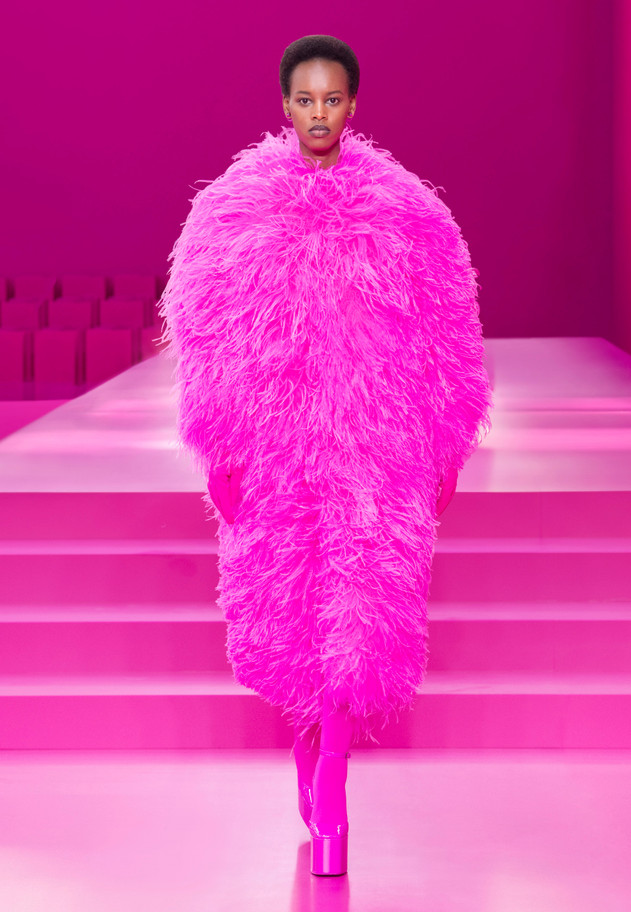
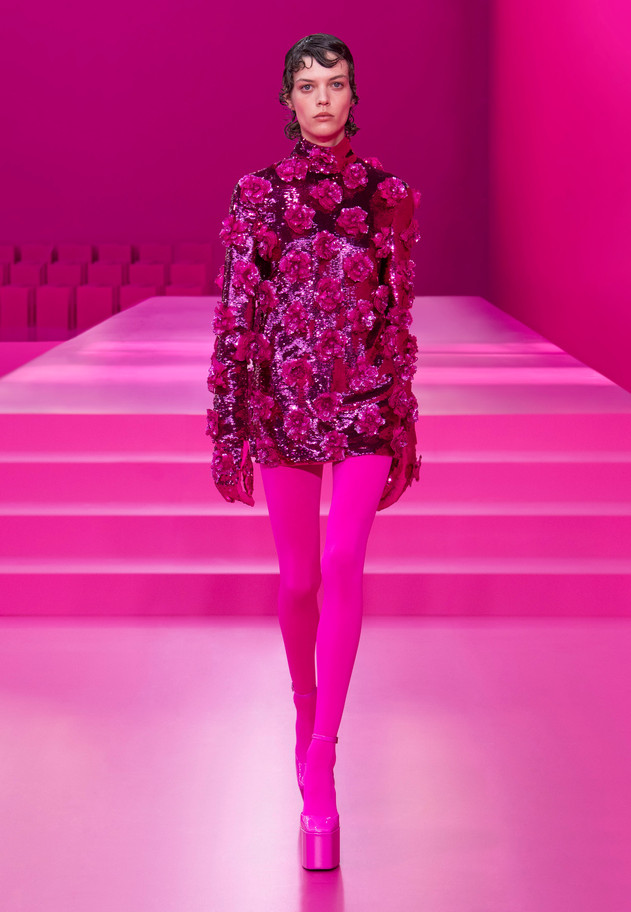
So, what is this pink all about? It is hot and vibrant, does not leave space for discretion and is aggressively vocal. It is fun, quirky, campy and features exaggerated proportions and accessories, from platform heels to minidresses, feathers and sparkles. More is more.
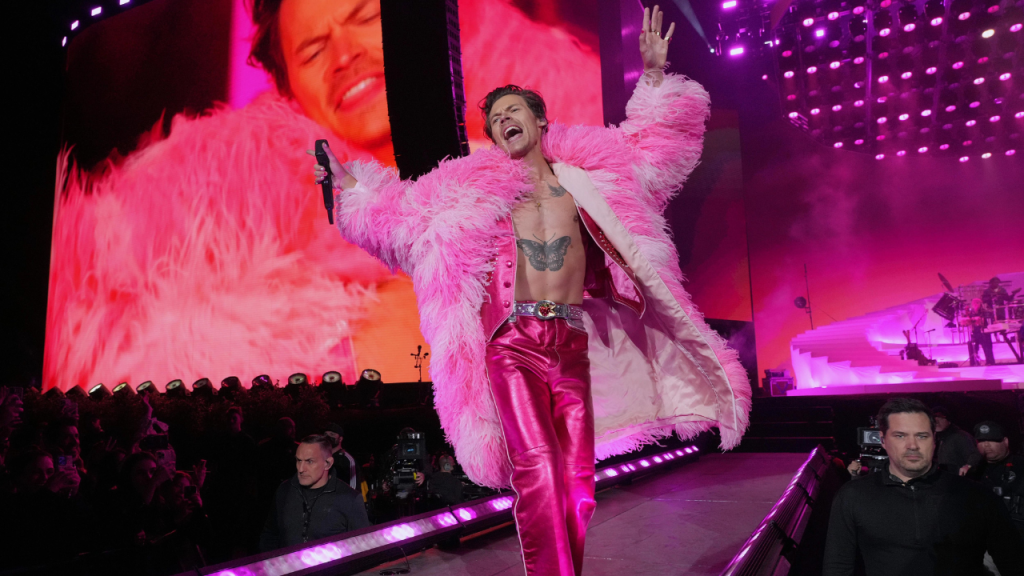
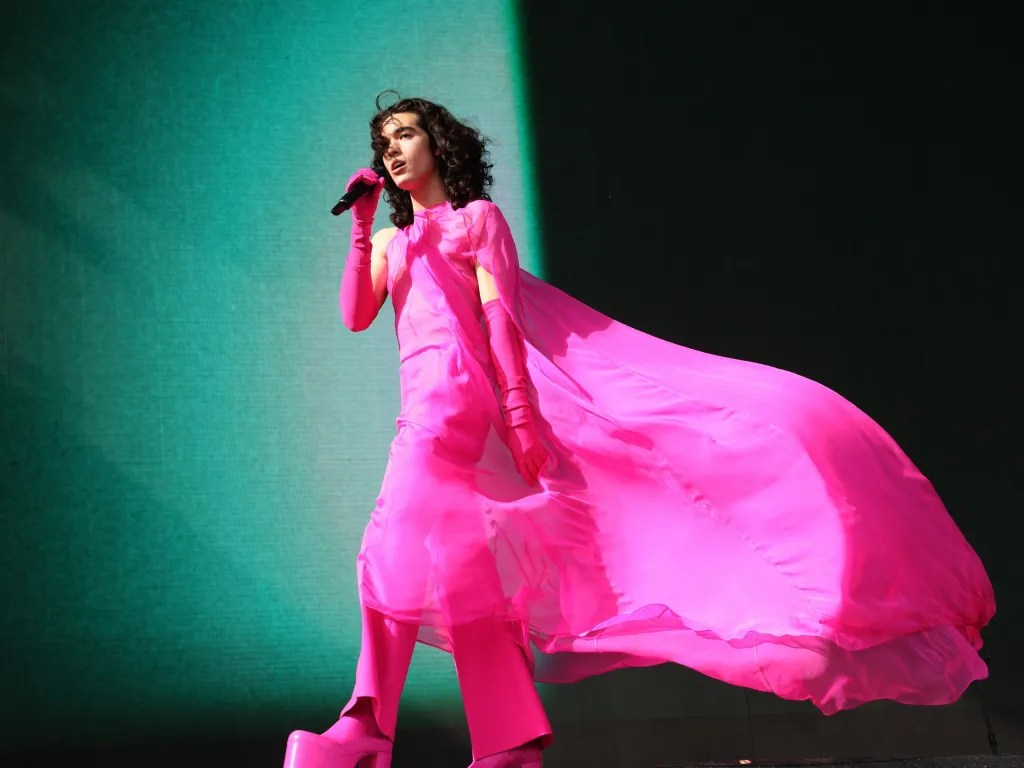
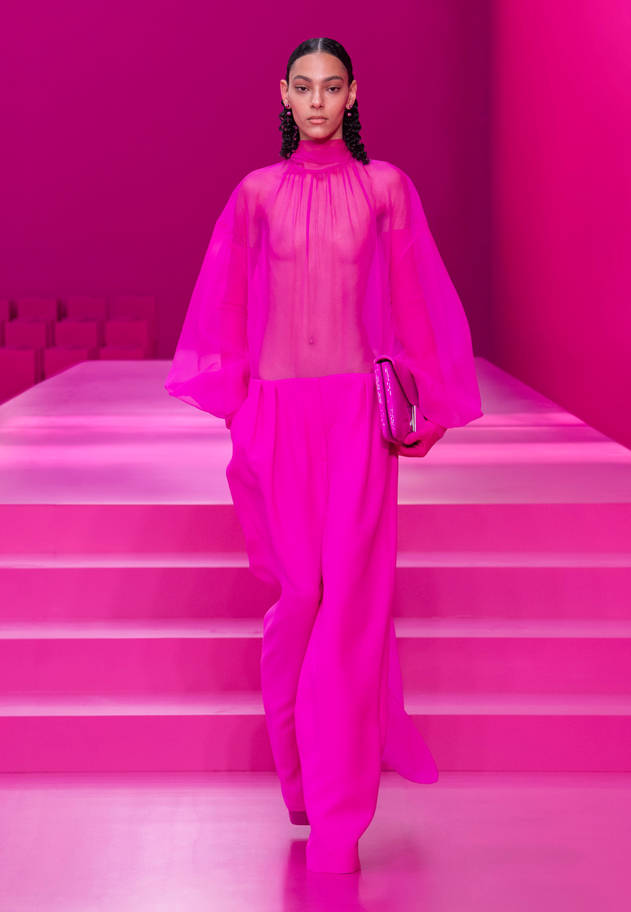
Valentino’s Fall 2022 fashion show is certainly responsible for the explosion of hot pink we are witnessing. Pierpaolo Piccioli, creative director of Valentino, developed the color directly with Pantone and the show was monochromatic from clothes to runway, with a few black looks in between an aggressive number of pink silhouettes. Yet, stars had been embracing the trend before, like Beyonce in Versace baby-doll platform heels a year ago. Needless to say, many other stars have channeled the color since, like Anne Hathaway attending the Valentino Cruise show earlier this Summer.
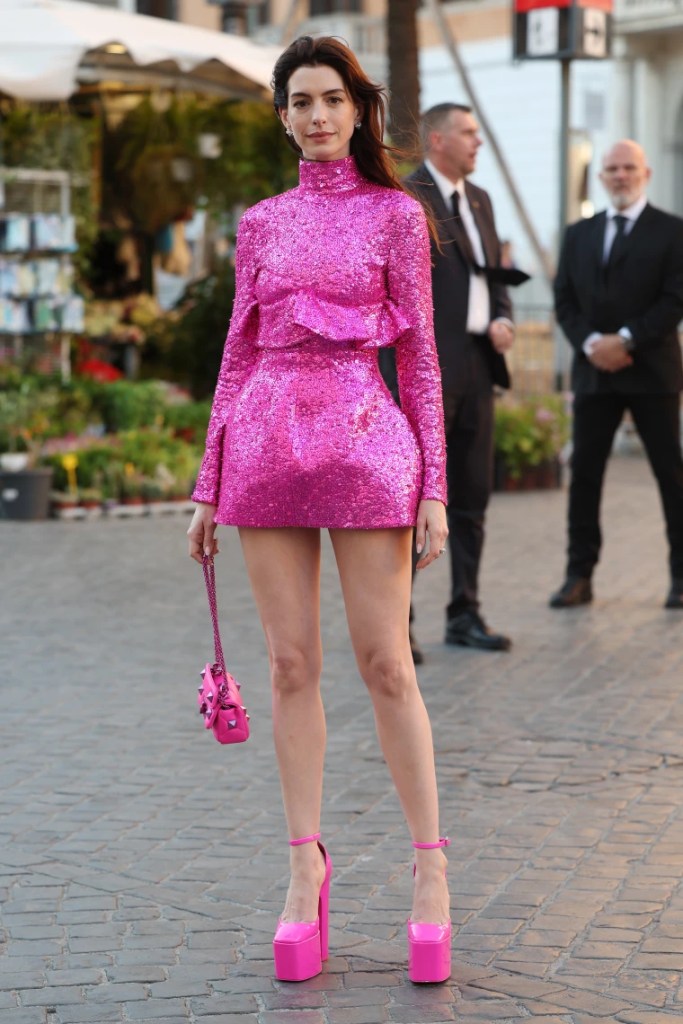
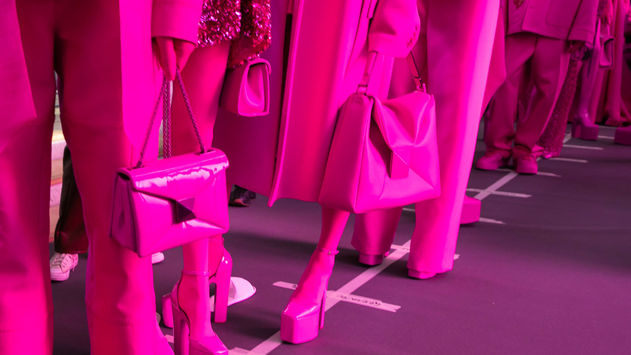
My guess is that the trend will not go away for the foreseeable future, and we are likely to see la vie en rose for at least the next two years. After all, pink is a feel-good reassuring color none of us want to let go…


 mabou
mabou 
Leave a comment