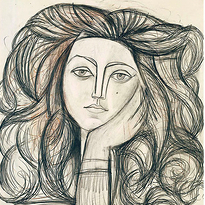

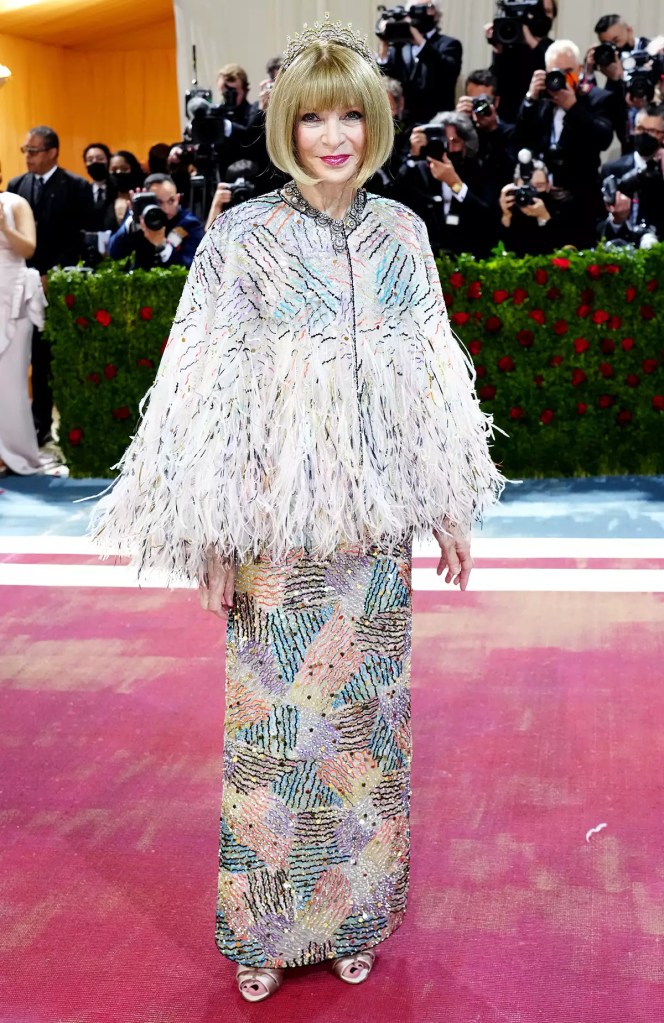
Each year (except in 2020 and 2021 because of the pandemic), the first Monday in May is dedicated to the iconic Met Gala. The Gala, a fundraising event for the Metropolitan Museum of Art’s Costume Institute, marks the opening of the yearly fashion exhibition of the museum and allows the Costume Institute to be the only fully self-funded entity of the Metropolitan. The star-studded guest list has to be approved by Anna Wintour, the queen of fashion and Global Chief Content Officer of Conde Nast, which sponsors the event.
This year, the exhibition is the continuation of In America: An Anthology of Fashion of which the first installment (A Lexicon) was inaugurated by the September 2021 Met Gala. The exhibition investigates the rise of the American fashion industry, which gained prominence during the second part of the 20th century, on the back of their European peers, to become a legitimate fashion force independent of European influences.

According to the Met’s website “Presented in collaboration with The Met’s American Wing, this section of the exhibition will highlight sartorial narratives that relate to the complex and layered histories of the American Wing period rooms.”
The red carpet looks of May 2nd, following (or not) the theme of “Gilded Glamour”, was a nod to the American Gilded Age during the second half of the 19th century and looks paid homage to the artists and fashion of the time. And beyond, it paid homage to the spirit of Americana that built and still feeds into the cultural leadership of the United States, not only within the fashion industry. In fact, Period Rooms were re-imagined as vignettes by film directors, honoring Hollywood too.
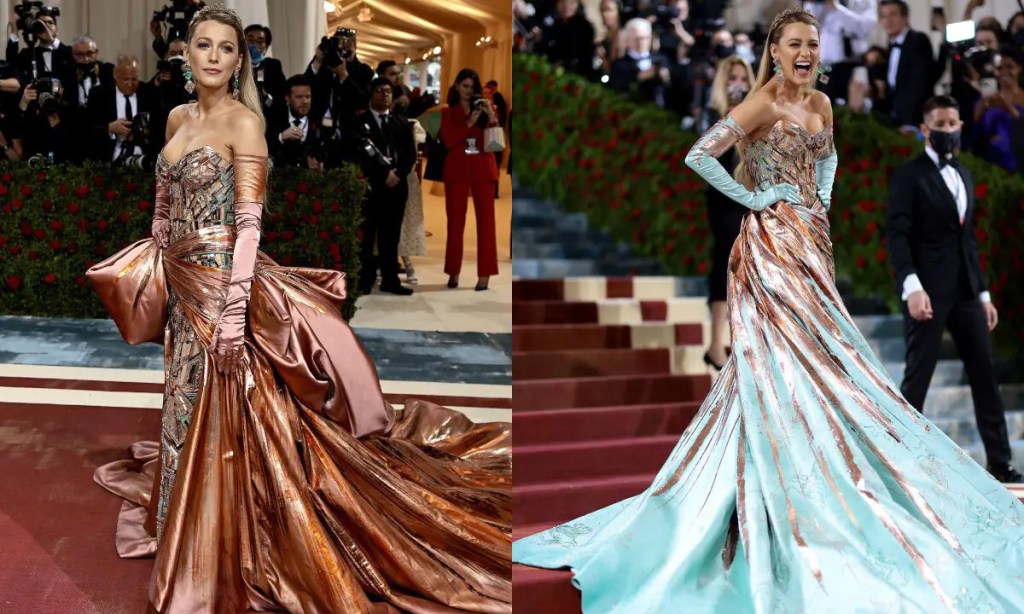
Some notable looks included Blake Lively dressed by Versace in a transformation dress inspired by New York City’s Gilded Age architecture like the Chrysler and Empire State buildings. The cape and then train of her dress referenced the evolution of the color of the Statue of Liberty from copper to its current patination. It was decorated with the zodiac elements of Grand Central’s ceiling and has been coined “a true love-letter to New York City” by several reporters. In the same vein, Alicia Keys’ Ralph Lauren dress and cape was decorated with crystals in the shape of the NYC skyline, an Empire State of Mind.

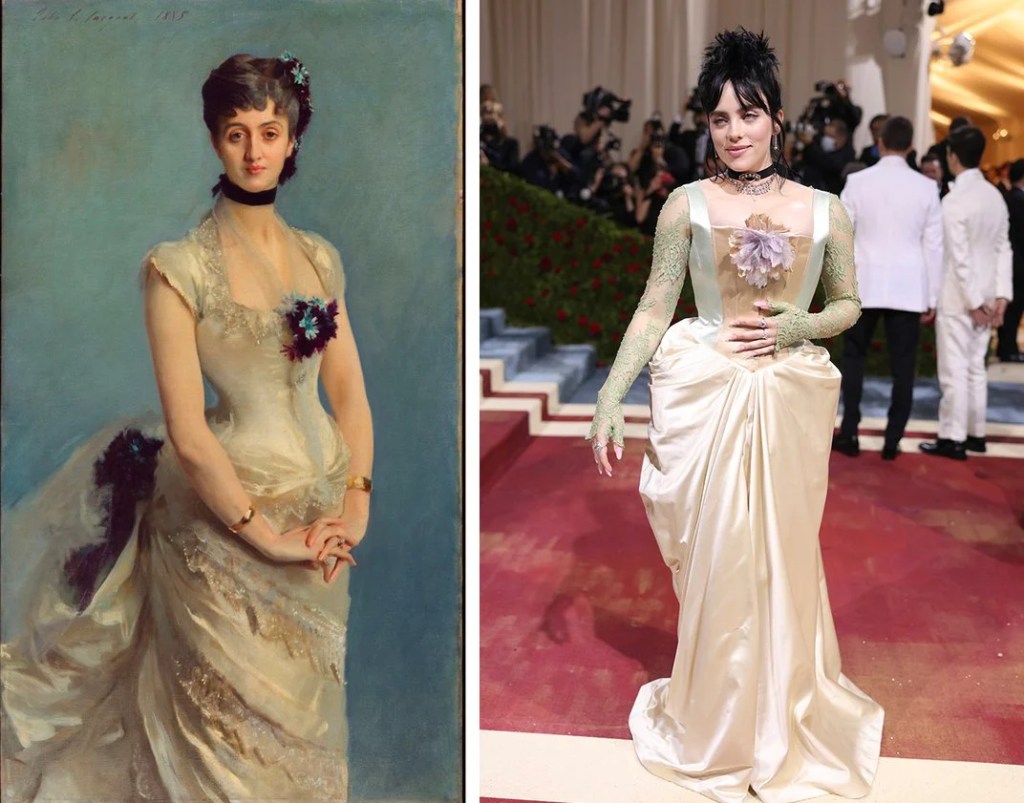
Billie Eilish, dressed by Gucci, referenced the work of quintessential American portrait artist John Singer Sargent with a corseted pastel dress. Kim Kardashian, surely Gilded, was off by a few decades by deciding to honor the Hollywood industry wearing the original dress Marilyn Monroe wore to sing “Happy Birthday Mr. President” to John Fitzgerald Kennedy. Certainly, stars and stylists did not miss the occasion to reference art in fashion, fashion in art, and all the combinations the creative enterprise calls for as reported by artnet.
Social media is prohibited within the Museum during the Gala, so most of the attention and advertising power takes place during the climbing of the steps to the event. And it is the moment that gets the museum the highest social media attention on a yearly basis, leveraged by their collaboration with Instagram, also a sponsor of the event. It is where brands dressing the attendants get spoken about and are able to monetize and justify paying the $30,000 per guest price tag to attend the event. Yet, according to The Business of Fashion’s Lauren Sherman, Conde Nast, Anna Wintour, and Vogue do not do enough to maximize the money-making power of the event, especially since the group is pressured by the loss of revenues from print magazines.
Sure, it is a charitable fundraiser, as pointed out by Anna-Lisa Yabsley, Vogue’s global digital strategy lead and executive director of content for the US edition “Everything we do content-wise is about raising awareness and getting people through the door”, but it is also an opportunity to leverage the content-making capacity of the gala. They do charge for advertising during their livestream, and additional amplifications through influencers, they have a liveblog and charge regular advertisements around the event.
Sherman mentions that Vogue totaled 16.5 million views, live and on-demand in the first two weeks of the Met Gala stream in September 2021, while social media views totaled 260 million in 48 hours. According to Lauchmetrics, the event generated $543M in MIV, above the $520M of the Super Bowl and making it the most lucrative live-event across all industries in the United States.
While a partnership with a more traditional cable broadcaster is a possible avenue of expansion for Vogue, their partnership with Instagram proves that social media is their chosen favorite medium. And in fact, probably the one growing to be the most consulted by the public at large as traditional media are losing relevance. I would argue it is the most promising long-term.

One aspect that is increasingly developed by Instagram is their partnership with influencers, who are invited to their own Met Gala viewing (taking place at the legendary Mark Hotel), in order to increase the channels to reach their unique audience through a lens that is tailored to their followers’ interest. For example, the Instagram account @upnextdesigner, led by Albert Ayal, more than listing the designers dressing the stars, lists the stylists and industry insiders involved in the making of the final look, catering to fashion industry geeks and fostering a true sense of community. Plus, Instagram had the most talked about table according to @stylenotcom, citing Eva Chen and Clara Cornet from Instagram.
Additionally, while TikTok has not yet reached Instagram’s level of adoption within the fashion industry, its format and GenZ pool of potential consumers makes it the natural next contender for advertising and monetizing the Met. In fact, Vogue has been embracing videos to communicate about the event for a few years by working with director Bardia Zeinali, this year through a project dubbed #THENIGHTWEMET.
Through a series of short videos, Bardia Zeinali mixes classical artworks and pop culture to showcase modern icons, at the same time, she offers a reflection about what is now at the top of cultural relevance, and how the medium of creating, and, probably above all, distributing art, has evolved. With Anna Wintour framed at the top of the Met stairs, in the gallery that is normally housing Italian Renaissance paintings depicting religious moments, we are led to think of fashion as a new religion and of Wintour as its thought leader, indeed its Pope. Here, religion has lost its cultural monopoly to fashion.
In another video, a pregnant Rihanna, an undisputed icon finds a spot in the Greek and Roman art gallery and pushes us to question our contemporary representation of femininity as opposed to the Classical one, and even, Black womanhood on the backdrop of white statues. Kourtney Kardashian and Travis Barker take the place of a couple on a Sevres porcelain vessel from 1758 and Quannah Rose is inserted in a Van Gogh painting from the Impressionist galleries (although Van Gogh is not part of a specific artistic movement for art historical standards).
This mixing of classical art from the Metropolitan Museum and contemporary icons sheds light on the collections of the museum beyond the Costume Institute and makes the Museum’s collection relevant to our current set of references. At the same time, it shows how digital art interacts with classical art and can help museums cross borders and mediums of communications. Indeed, the art within the gallery takes a new life and is activated by digital art of which the distribution medium is first and foremost online.
Art, now more than ever, does not only reside within the confines of a cultural institution’s walls, this is made obvious by the increasing number of museums now allowing pictures, encouraging hashtags on social media and digitizing their collections. But in fact, the physical object still retains its aura of uniqueness as a physical artifact. On the other hand, digital art is not created for the physical space and can only be fully activated through online, digital distribution and display.
Increasingly, digital and physical are meant to co-mingle and fashion has already become extremely dependent on technology to operate, communicate and stay at the forefront of cultural relevance. Vogue itself is likely to evolve towards a fully digital media-like company while cultural institutions like the Met will need to become digital first to stay physically relevant.
Therefore, digital art, NFTs, AR and VR explored this year by the Met, Vogue, and Instagram, are likely to become an extremely important part of their communication and monetization strategies by creating true and genuine engagement with their communities. From digital experiences, games, and access to engaging digital events online to creating whole digital worlds, both the Met and Vogue have a Web3 alley to amplify the marketing power of the Met Gala.
Additionally, while luxury brands in fashion industry leaders are prominently represented, the Met Gala struggles in giving smaller, younger labels a chance to enjoy the immense level of attention it is getting, something that both Instagram and Vogue could help expand. And in fact, the digital realm creates an opportunity for a larger number of actors to be part of the event, both in terms of content creation and audience engagement, as a more tailored, diverse communication strategy can be put in place, multiplying exponentially the money-making power of the Met Gala.
 mabou
mabou 
Leave a comment