
At the end of 2021, Celine opened a renovated store in London New Bond in the spirit of its Celine Art Project. The Project, launched in 2019 by creative director Heidi Slimane who joined the Maison in 2018, aims at showcasing contemporary artists with site-specific installations in the label’s flagship stores globally. As said by Sotheby’s “It’s a dizzying experience, walking through the New Bond Street store, but considering Slimane’s background in the visual arts as a photographer and curator, it’s hardly surprising that visitors are confronted with such a wealth of art.”
In fact, the project started with the renovation of the NYC Madison store first, then Soho, Paris rue de Grenelle, and Tokyo shops to name just those, which were swayed in the global change of vision taking place at the house. Yet, the effect of this latest London renovation was so grand that it got an impressive amount of romanticized coverage (from Culture Mag, Sotheby’s, or Hero Magazine to cite a few) allowing to grasp the totalizing atmosphere created in the store.
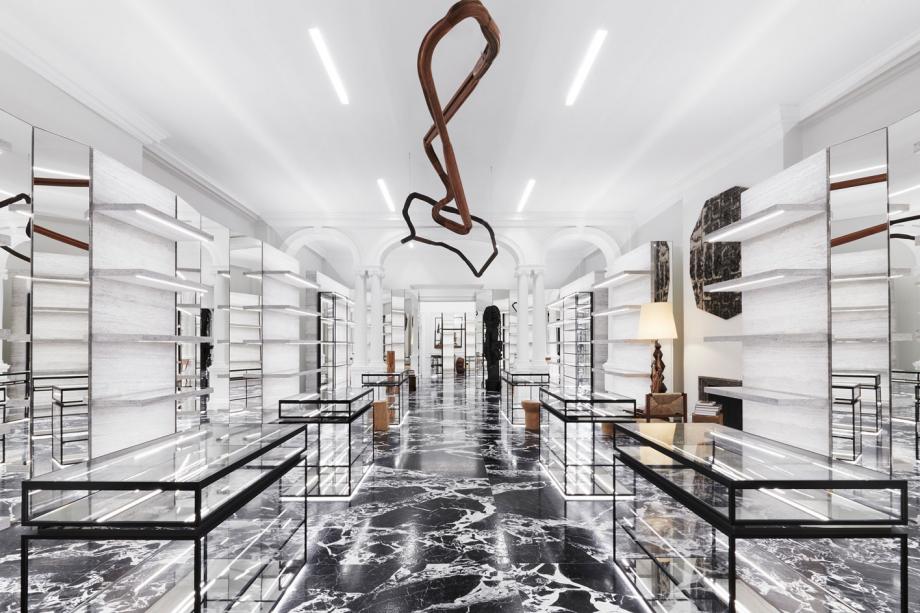
Celine Store New Bond Street London 
Celine Store New Bond Street London 
Celine Store New Bond Street London 
Celine Store New Bond Street London 
Celine Store New Bond Street London 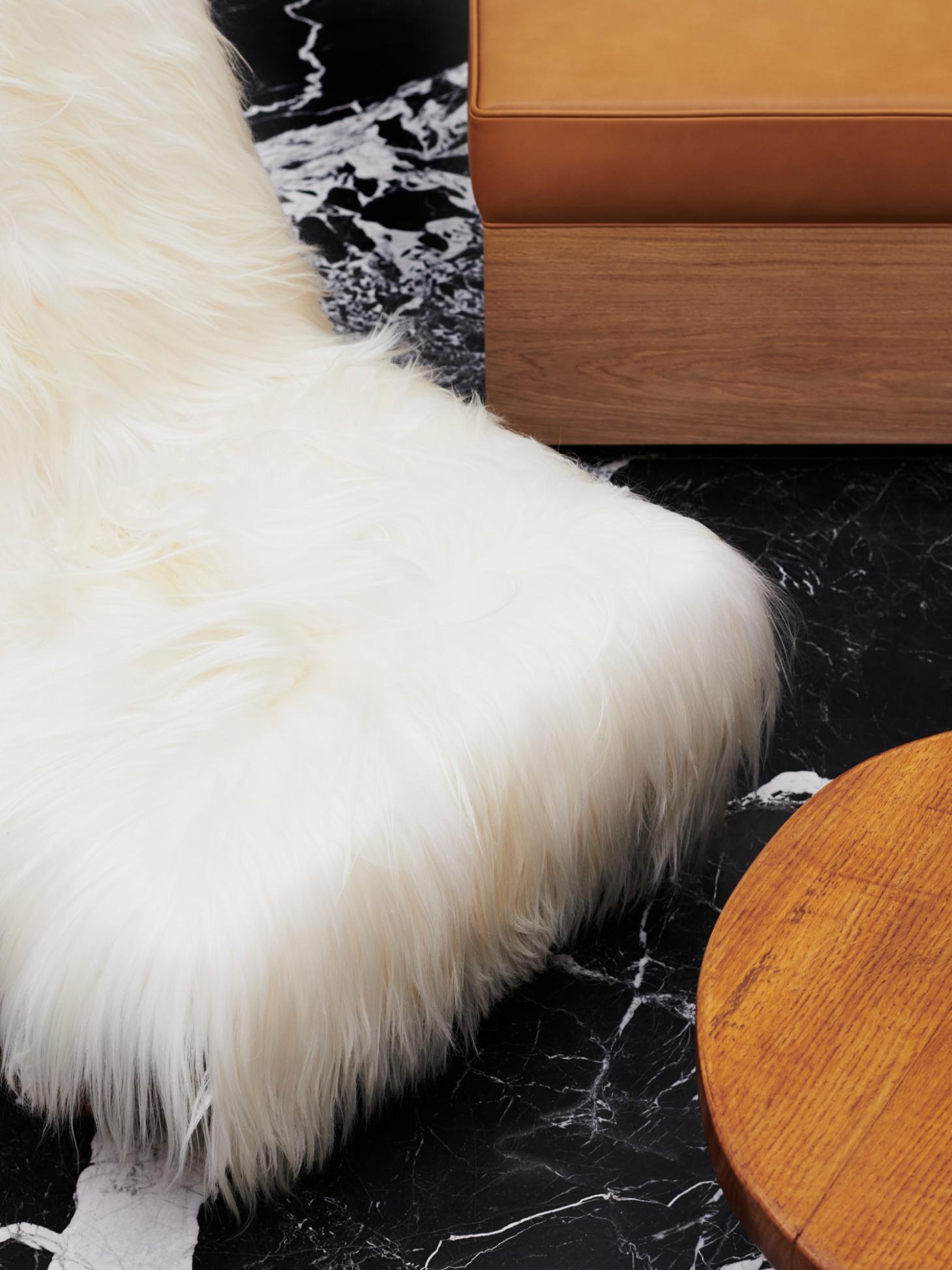
Celine Store New Bond Street London 
Celine Store New Bond Street London 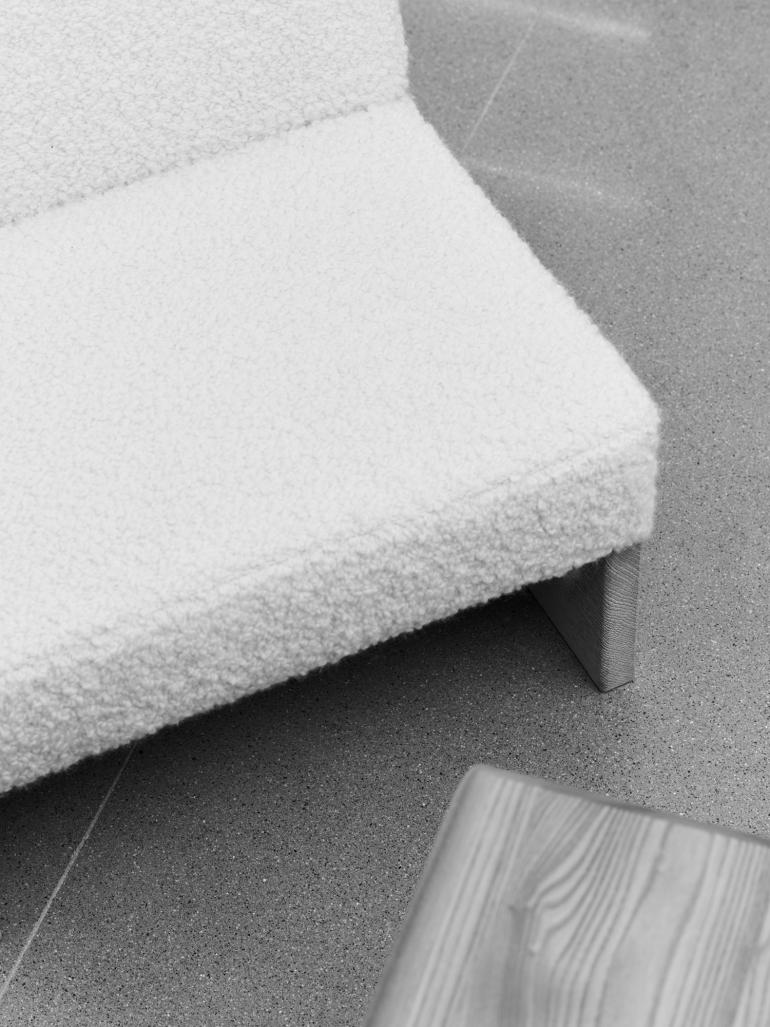
Celine Store New Bond Street London 
Celine Store New Bond Street London 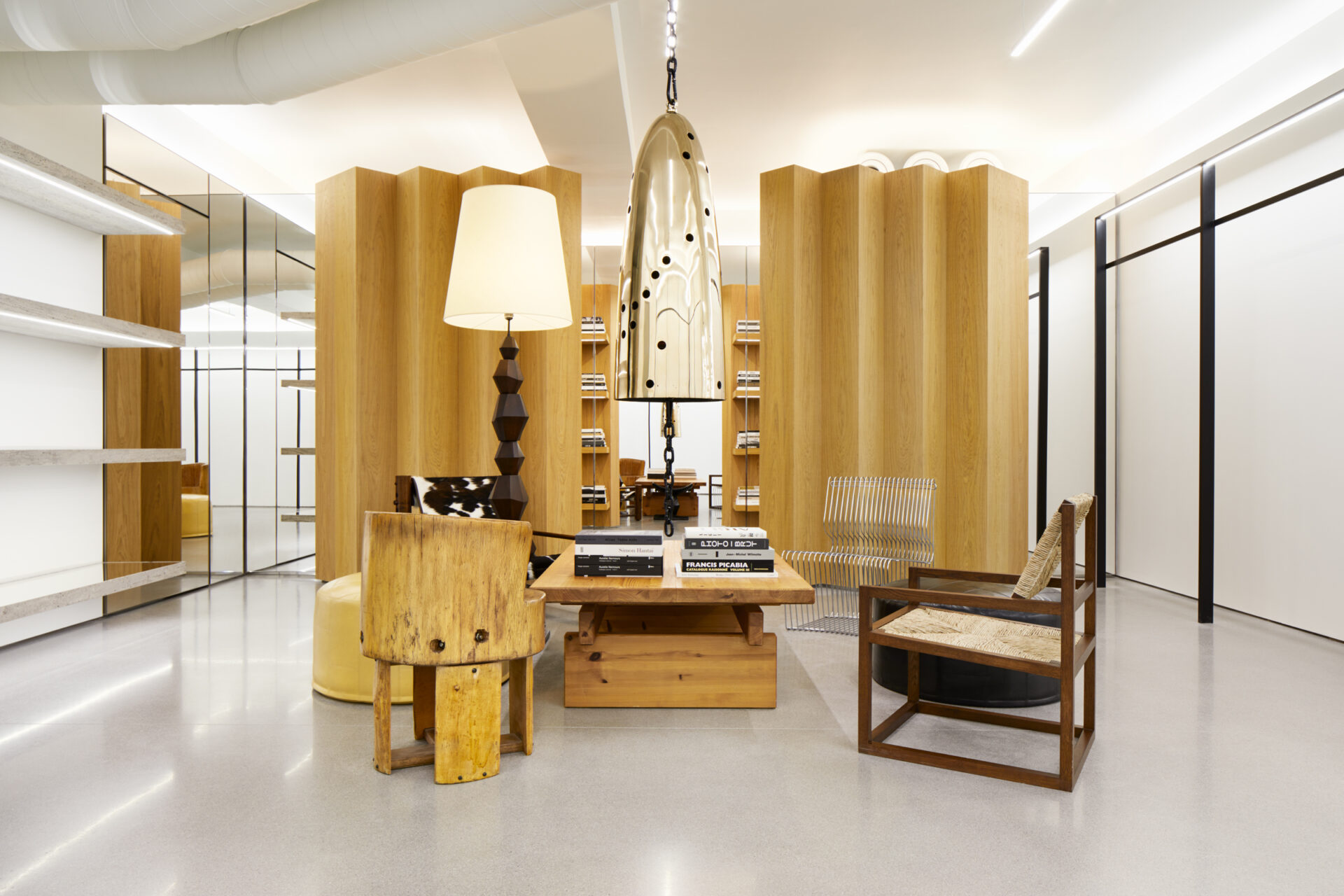
Celine Store New Bond Street London
As of now, the Art Project has a roster of more than 40 artists around the world allowing Celine to expand the cultural conversation beyond clothing. If the up and coming early and mid-careers artists chosen by Slimane deserve to be examined individually for the breadth of creativity they add to the maison (Nika Neelova, Leilah Babirye, Rindon Johnson, Elaine Cameron Weir, James Balmforth are among my favorites but by no means the only ones. Slimane has a very good taste.), I want to focus here on two dynamics created by this project: the use of the store as a gallery space and the merging of art pieces and items of clothing questioning the nature and commodification of both, and the 360 degrees creative that Heidi Slimane is.
Clothes, it is now established, is a fertile ground for creative collaboration with artists, but here, Slimane does not invite artists to the fleeting runway that changes season after season but into the permanent physical spaces of the Maison. By doing so, he stresses the link between worn items and displayed art in arguably a more powerful way than if clothes were the support of the art. It expands its temporal significance both by addressing the retail experience and displaying artworks longer than for one season. It comes without saying that the relationship between the body and the items of clothing put on it is essential to the fashion experience. But inviting artists into the store extends the relationship between fashion and the body beyond the worn items.
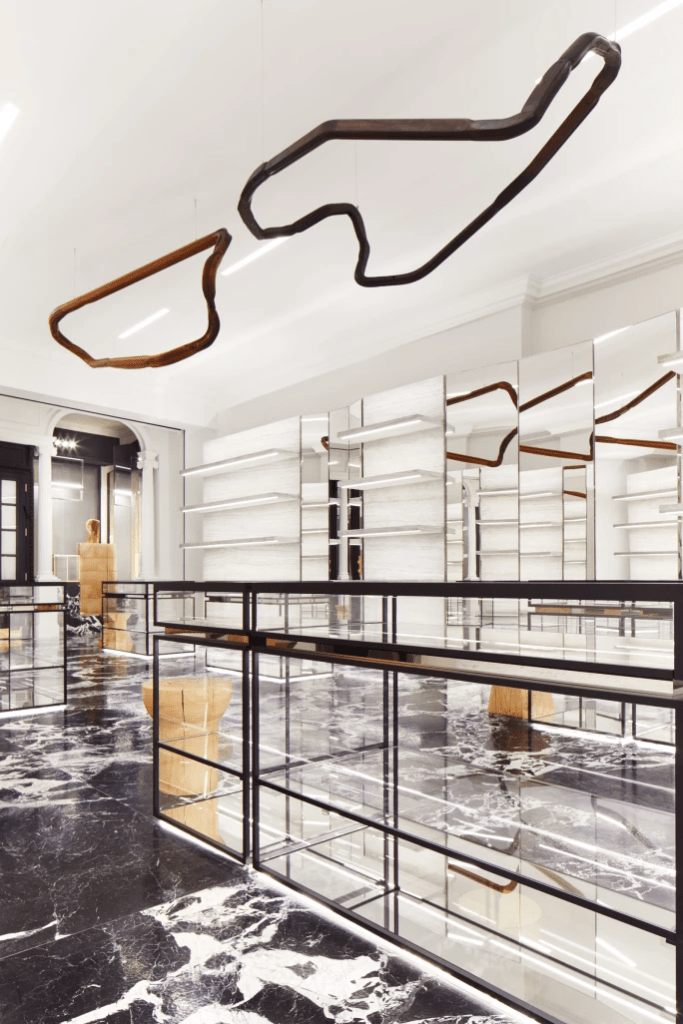
Nila Neelova, “Lemniscate XI” and “Lemniscate XIV” Celine New Bond Street London, commission by Celine, 2021 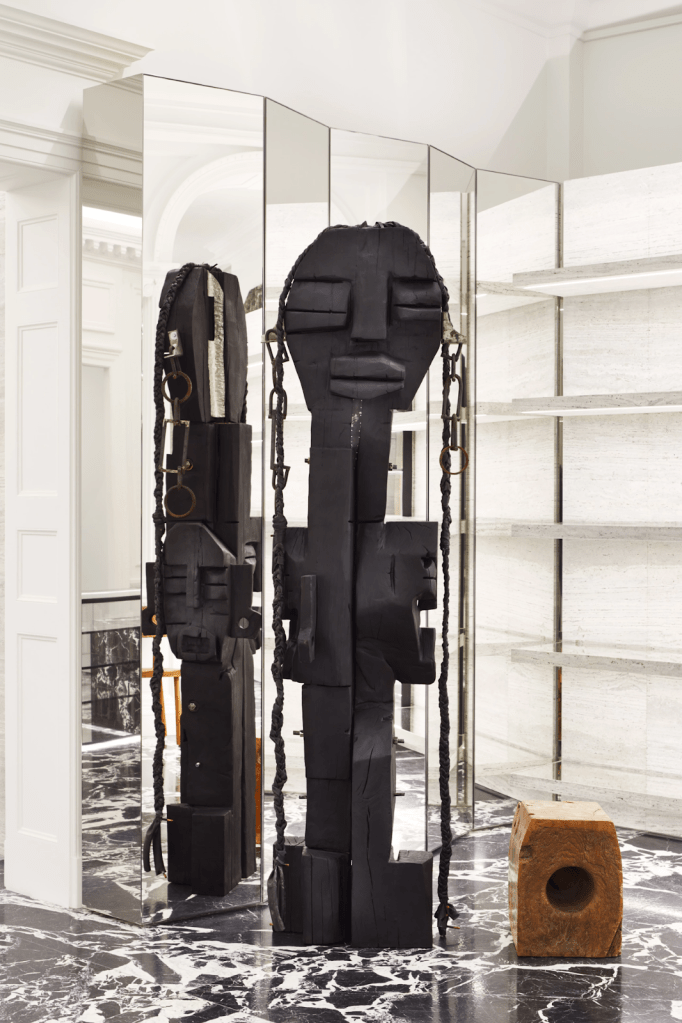
Leilah Babirye, “Najunga from the Kuchu Ngaali (Crested Crane) Clan”, Celine New Bond Street London, commission by Celine, 2021 
Elaine Cameron Weir, “Snake X”, Celine Tokyo, 2019 
James Balmforth, “Surface Response (Stack)”, Celine Madison NYC, 2019 
Rindon Johnson, “The Cube Sculpture”, Celine Francois 1er Paris, 2018
The pieces selected by Slimane are in-situ sculptures that, in the fashion of Serra’s, Flavin’s, Judd’s or Morris’ minimalism, invite a reflection on the relation between the body of spectator and the art. “Minimalism or minimalist art can be seen as extending the abstract idea that art should have its own reality and not be an imitation of some other thing.” The artist wants the viewer to engage personally and bodily with the artwork. Each large piece of art, often geometric and modular, changes minimally as the viewer moves around and engages with the artwork.
It is the body and the physical experience that gives meaning to the art pieces. In the same fashion, items of clothing are living objects, gaining and losing meaning as they are worn and experienced by different people in different situations. Interestingly, the minimalist movement challenged the established way of displaying, understanding, and engaging with art, including traditional museums and gallery spaces shaping cultural taste in an elitist and exclusive manner, where only the privileged can afford to enjoy.
The introduction of art works in the shops therefore expands the retail experience through the lens of the relationship between the body and the clothes into the space at large, and into the mind. But another critical effect of this potent display of unity between art and fashion is the elevation of fashion items to the rank of artworks, it gives them a sense of nobility that is not traditionally associated with clothes. At the same time, it is a reflection on the commodification of art, fashion, it is a given, is highly commodified and luxury is here again trying to move away from this characteristic.
Yet indeed, art, although in a more opaque and discreet way, is also treated like a commodity that has its place in a retail space that becomes a gallery space. It participates in blurring the boundaries between culture and commodity while establishing retail as a legitimate tastemaker.
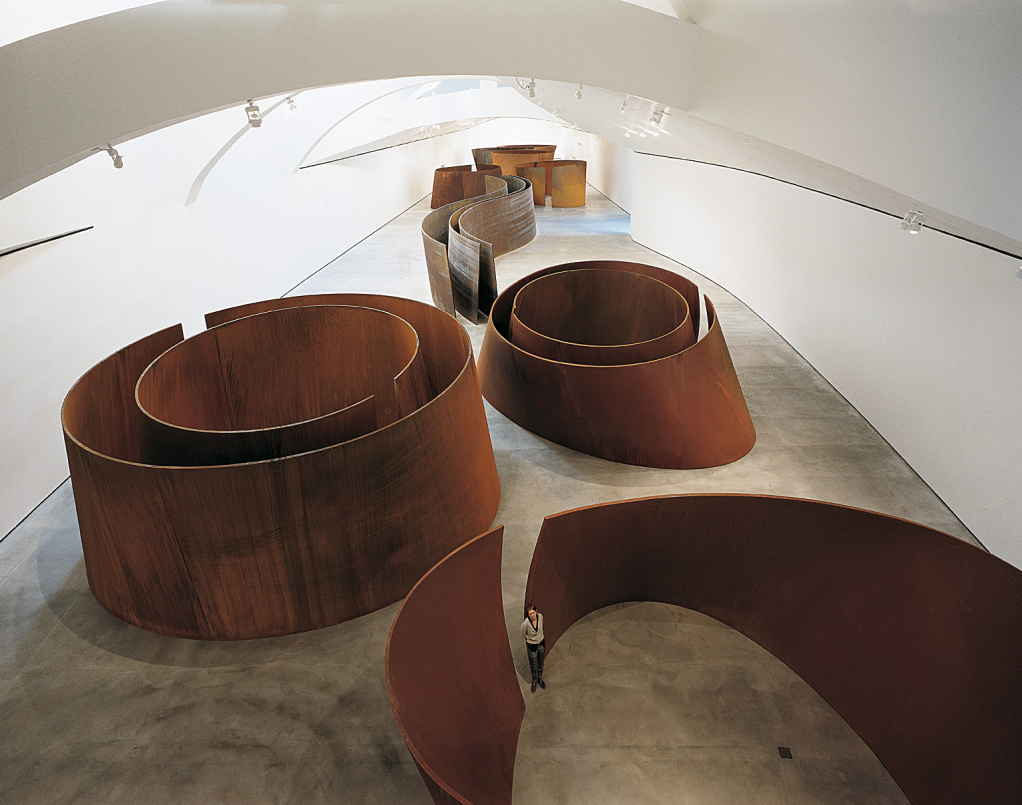
Richard Serra, “Torqued Ellipses I, II, IV, V, VI” (1996-99), “Double Torqued Ellipses I, II, III” (1997-99) and “Snake” (1996), Guggenheim Bilbao 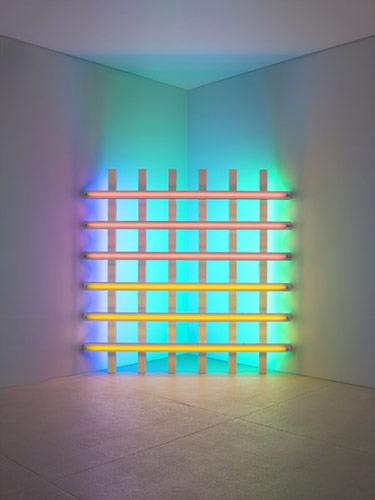
Dan Flavin, “untitled (in honor of Harold Joachim) 3”, 1977 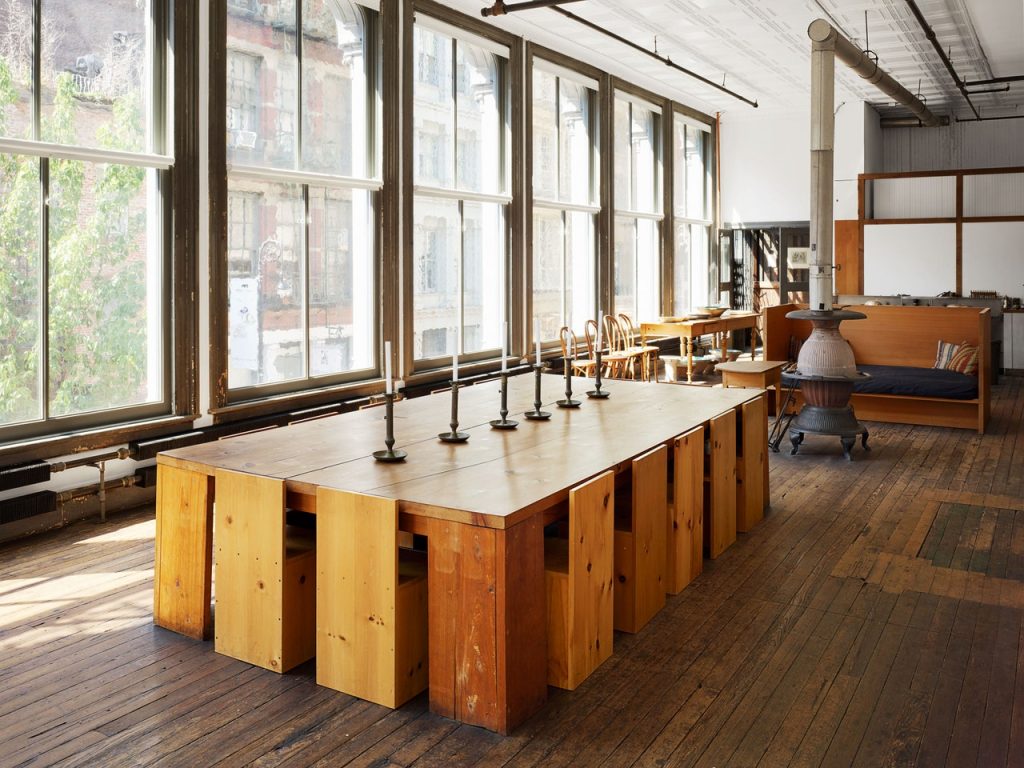
Donald Judd, Pine versions of Chair 84 flank the dining table at Judd’s New York loft. 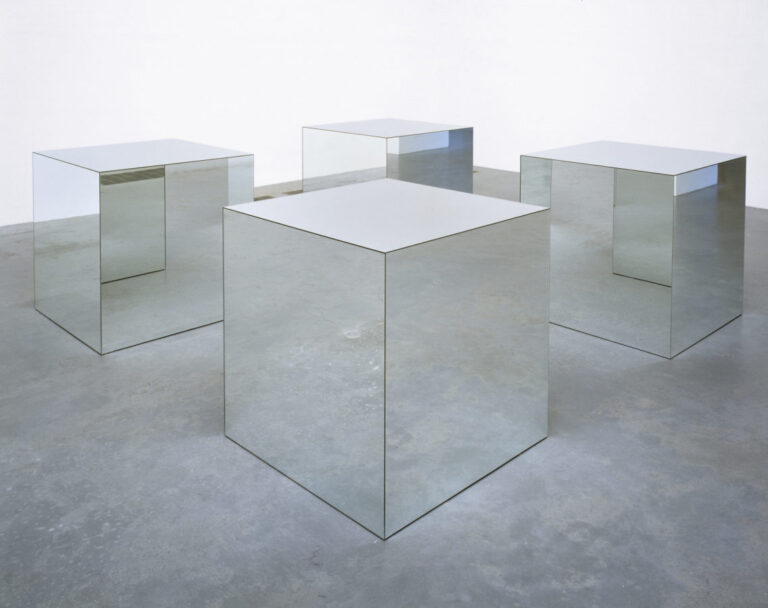
Robert Morris, Untitled 1965/71
In the past decades, mega galleries have been established as critical cultural tastemakers in the art world ecosystem alongside traditional cultural institutions like museums and foundations. Celine, by inviting artists into its stores is establishing itself as one of these players. This again, is not new but this might be one of the most overt ways the industry has engaged into this new role. Celine, part of LVMH, is indeed only laying out Bernard Arnault’s plan in establishing its group as a cultural force. The opening of the Foundation Louis Vuitton was the most direct step into this direction, but it is just one aspect of his long term goal in making his Maisons cultural phenomena.
Multifaceted centrifugal expansion is buttressing LVMH’s long term business plan, and, when choosing Heidi Slimane to take the helm of Celine after the cult-followed Phoebe Philo, Arnault charged him with doing what he did at Saint Laurent at an even wider scale (sales jumped from $400M to $1B), expanding product categories to menswear, perfume, and jewelry in the span of 4 years. Heidi Slimane himself has a cult following and is known for his short, rock and sexy couture looks that have been his signature style for most of his career. His strong vision was initially not well received, especially by Philophiles, but his current success, especially in China and Korea shows that his overtake of Celine was indeed a winning bet.
Slimane is a multifaceted creative and curator, and I personally find his fashion exceptional but struggling to renew itself. He has such a strong view that he deserves a label of his own to express his vision outside of the boundaries of the references of a given Maison. But what makes him fascinating is his ability to cover several creative spheres. What appears to be lacking in terms of fashion depth is transversally expressed in other artistic mediums. Slimane shot all the Celine campaigns, and directly selected the pieces for the Celine Art Project, he worked with the artist Cesar’s estate to create limited edition jewelry in 2020 and more recently with Louise Nevelson’s estate for jewelry too.
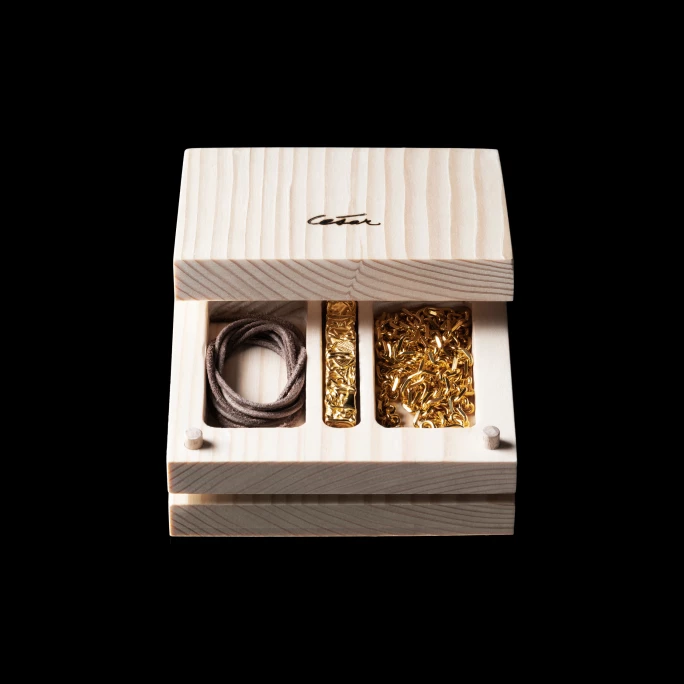
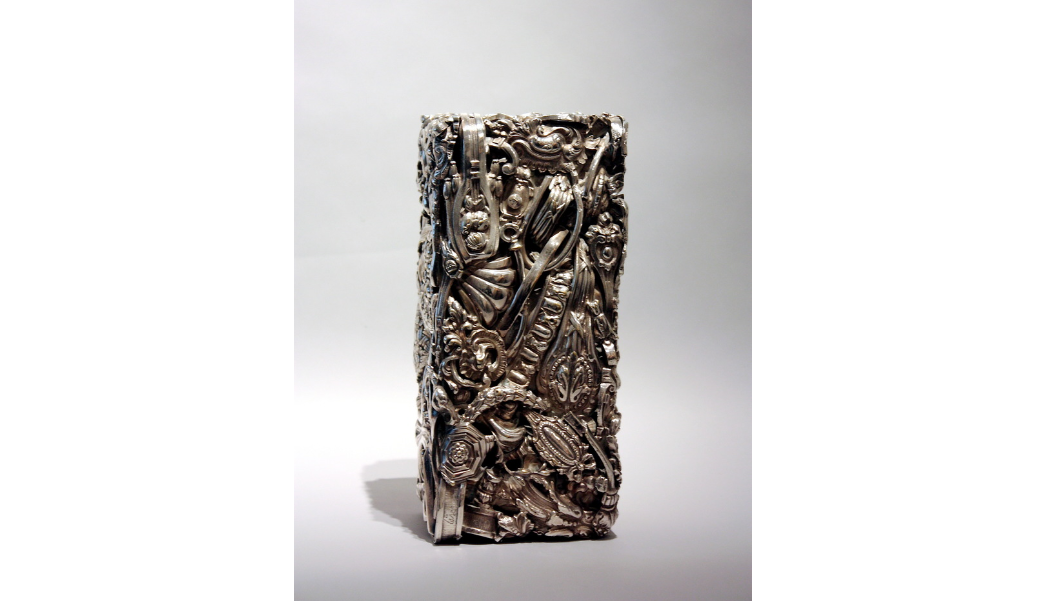
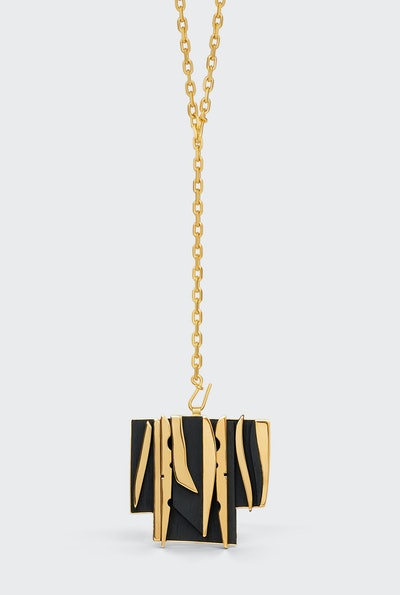
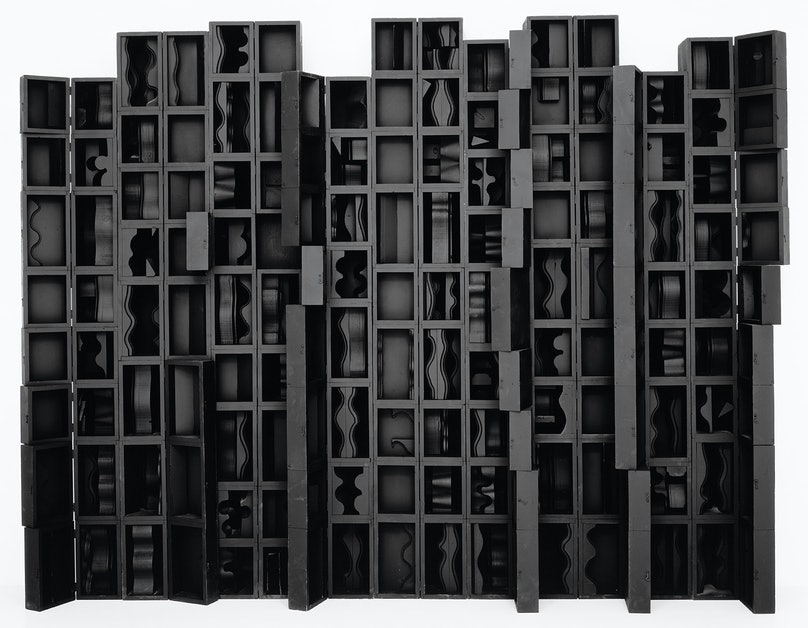
A way to think about the creative process of Slimane is to think horizontally instead of vertically, in a holistic fashion. Arguably, he is grasping the zeitgeist and the changing face of the fashion industry at large and according to GQ “Like a hipster Albert C. Barnes, he collects with little interest in the market.” Slimane has always been fascinated by youth culture, and one of the drivers’ of Gen Z consumption, among others, is cultural significance at large.
They are the biggest consumers of artistic collaborations and marketing expanding beyond the clothes. Therefore, this approach to the creative community at large participates in reshaping the way fashion does business and the meaning we attribute to clothing as a society. Using the words of Sotheby’s again, “The Project reminds us, in case we needed reminding, that the nexus between fashion, art, style and photography is a seemingly-endless mine of creative inspiration, a crucible for ideas to leap, flashing and bouncing from each other, in showers of thrilling, sparkling artistic gems.”
Slimane is in fact representing the next generation of designers. It does not seem to be enough to be good at designing clothes and understanding what is going to sell. An acute understanding of marketing and of the overall puzzle of fashion ecosystem has become essential to create an integrated shopping experience that starts at the first sketch of a silhouette, culminates in the shopping experience and evolves as the brand identity is shaped by the creative director at the helm of a Maison. As a proof of the soundness of this process, one can look at Jonathan Anderson’s staging of a giant reproduction of his new surrealist heels in the Loewe (also LVMH family for that matter) London shop…
 mabou
mabou 
Leave a comment