
One of the most potent shifts that has reshaped the fashion industry in the past decade is the focus on monetizing attention by fostering a sense of community. Social media and Instagram has allowed brands to communicate more directly with their consumers and has allowed for the rise of influencers and digital tastemakers showcasing huge communities of followers. One other major trend that is reshaping the fashion landscape is the demand for more sustainability and more transparency in terms of production, manufacturing and distribution of the items. This collective consciousness about sustainability has led to the rise of the resale industry. Yet, if these two trends have emerged parallelly and stem from the same generational shift, no platform integrated both before Dora Maar launched in 2019.

The platform digitizes influential tastemakers’ closets through a Muse concept, therein there’s a connection to the item and consumers shop directly from a known source they look up to. Lauren Wilson, the founder of Dora Maar, used to work at Christie’s (Gucci and Moda Operandia as well) and, for the art market, provenance is particularly critical. For auction houses, the necessity stems from being able to ensure authenticity, legal ownership (especially for Ancient Art, art from formerly colonized countries and potentially looted art from countries in war) and most importantly when it comes to marketing the items, the opportunity to create a narrative around the personalities who used to own the pieces.
Knowing which collection a piece of art comes from is a critical determinant of the price and value of an artwork, and by extension, auction houses which have expanded into luxury collectibles from watches to high jewelry and luxury bags, have developed the same approach to marketing luxury items. Wilson, therefore, was surprised at the discrepancy between these storied auction houses and the resale platforms that have been flourishing all over the internet. Sometimes selling the exact same item, resale platforms would give the bare minimum of information, failing to leverage the story of the previous owners and of these items in which people live.
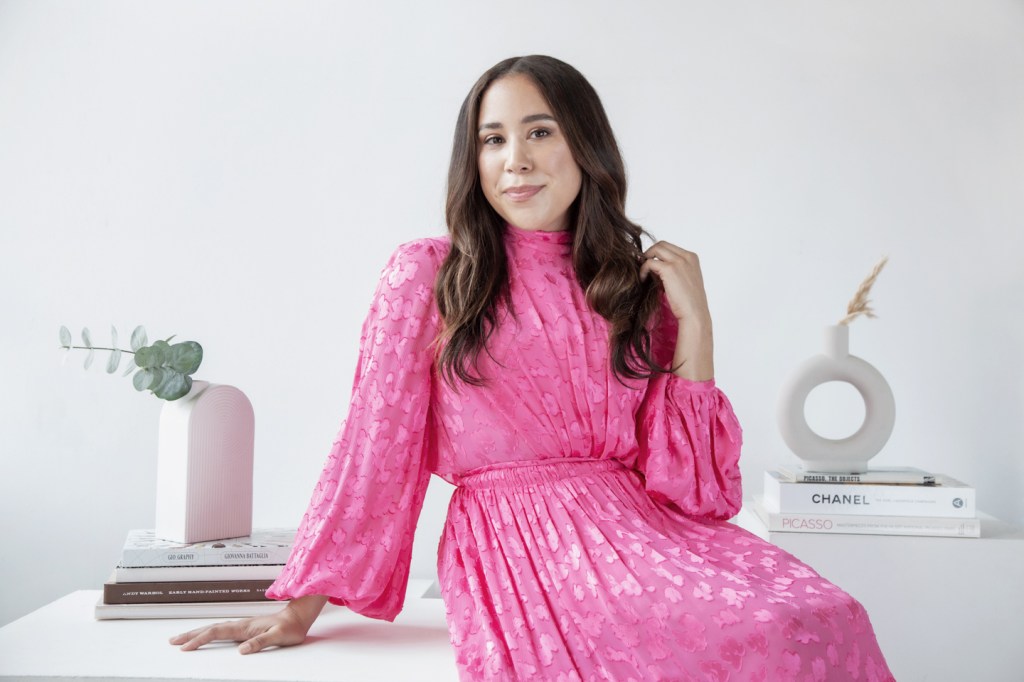
According to Wilson, “the reason that we are so drawn to fashion, particularly luxury fashion, is the breadth and depth of the stories behind the brands, designers, and creative teams who make up the industry, and by extension, the women who wear their pieces.” The resale market is booming and competition is steeper than ever, therefore, being able to stand out from the purely transactional aspect of secondhand, and create a connection with clients has proven critical. McKinsey reports that the current $25-30 billion industry is poised to have an annual growth care of 10% to 15% over the next decade.
As said before, Dora Maar works with “Muses”, inspiring women and tastemakers from a variety of backgrounds and industries, with whom they collaborate to sell items from their wardrobes and create a narrative about those items, linked to the personality of the Muse. “The backbone of fashion is people, and for Dora Maar, they are our muses.” says Wilson. This creates a sense of community and responsibility around the items going around on the resale platform as well as between sellers and buyers. This enhances the value of the items and creates a layer of humanity that the resale market has been struggling to build. For Dora Maar, luxury fashion “extends in and out of the archives, collections and hidden treasures found amongst the most stylish women in the world.” and the platform they are building enables them to create a movement they call “Social Luxury”.

Furthermore, they also work with brands like Rodarte, and more recently, NYC based label Markarian, founded by Alexandra O’Neill (who designed Jill Biden’s outfit for her husband’s inauguration ceremony), to offer their archives along exclusive pieces curated by Interior designer CeCe Barfield Thompson, friend and collaborator of the brand’s founder. The brand has always focused on sustainability, as stressed by the founder speaking to Forbes “we are always looking for ways to create longevity and give new life to our clothing, and we love Dora Maar’s elevated approach to circular fashion, so this partnership felt natural for us.” In fact, this is also the opportunity to connect even more with their consumers, which has always been important for O’Neill which offers bespoke consultations in her West Village studio.
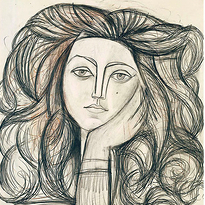
At the core of Dora Maar’s mission is transforming the resale experience, for Wilson, “clothing is just like art”, and art is an invitation to challenge our understanding of the world around us, to think outside the box. Both the name of the company and the founder’s background embody this spirit. Dora Maar was a French surrealist multidisciplinary artist from the 20th century. Like many women artists, she is mostly known for her relationship to a man, namely Pablo Picasso, but she was a trailblazing artist in her own right. “Surrealism challenges norms and looks at things from a different perspective, similar to our brand ethos at Dora Maar.” says Wilson, who herself comes from a diverse background.
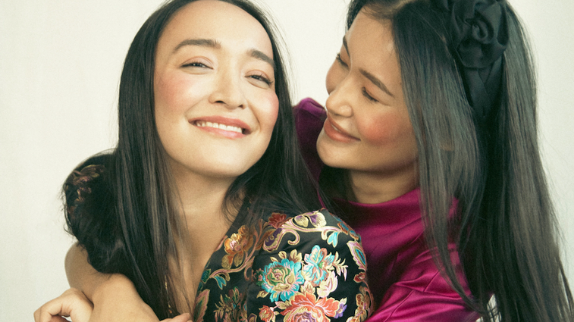

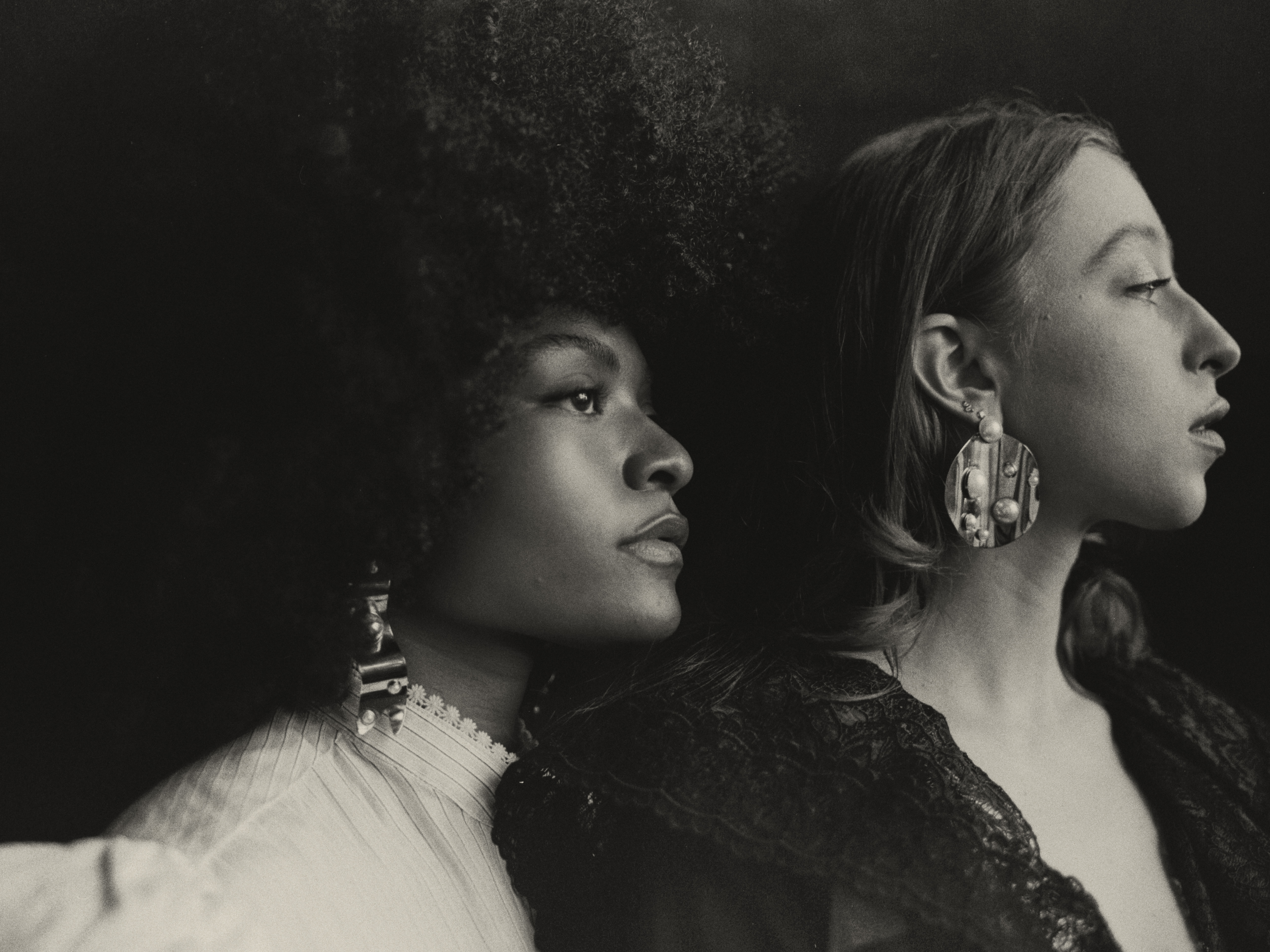
The founder, from Black and Puerto Rican descent, struggled with representation in the fashion and art industry throughout her career, as she was taught there was no demand for and from people looking like her and having her experiences. That is why the sense of community is so critical to the platform she is building. The transformative ability of fashion to create characters, personalities and layers for their owners, is at the core of the new narratives created around these objects.
By nature, fashion is made to be worn and lived in, making it part of a story where it can be instrumental in shaping narratives. Truth is, it has a psychological impact arguably more powerful than the physical one. In a way, each fashion item is this pair of jeans from “The Sisterhood of the Traveling Pants”, and Dora Maar is aiming at unveiling each pair of pants and each sisterhood behind them. Ultimately, creating this new experience for buyers and sellers will enable a more sustainable consumption and relationship with our items. Our wardrobes are Pandora boxes, coffers of wonders, but above all rich libraries.
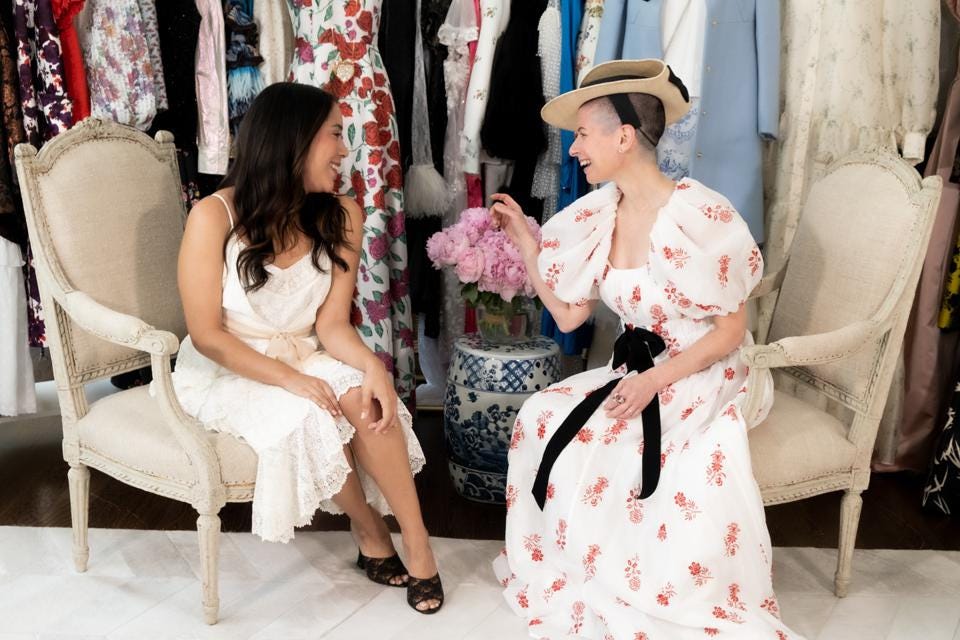
Wilson says that most of Dora Maar’s clients are new to the resale market, showing that she was able to pinpoint one, if not the, missing factor in engaging a new community of people with resale. Personally, the collection aspect of clothes is important, I like to write my story within them, to live in them and knowing where items come from and their life is a critical buying factor. If I am not the first owner, the first chapter of the book, I want to know the previous chapters. For items I own and want to dispose of, I feel an emotional attachment and a sense of connection, therefore knowing who I am making happy by giving it away, ensures I know it will be in good hands and will keep on living.
Therefore, Dora Maar is extending the strength of social media in creating a connection with items through people into resale where the link is traditionally broken or overlooked. As they continue to add muses, they are spreading consciousness about the urgency to consume more responsibly. They are leveraging the human connection which tends to be set aside in a digital age where we are all engaging with content through screens. In fact, Dora Maar is proving that more than ever, the human aspect is at the core of the retail experience.




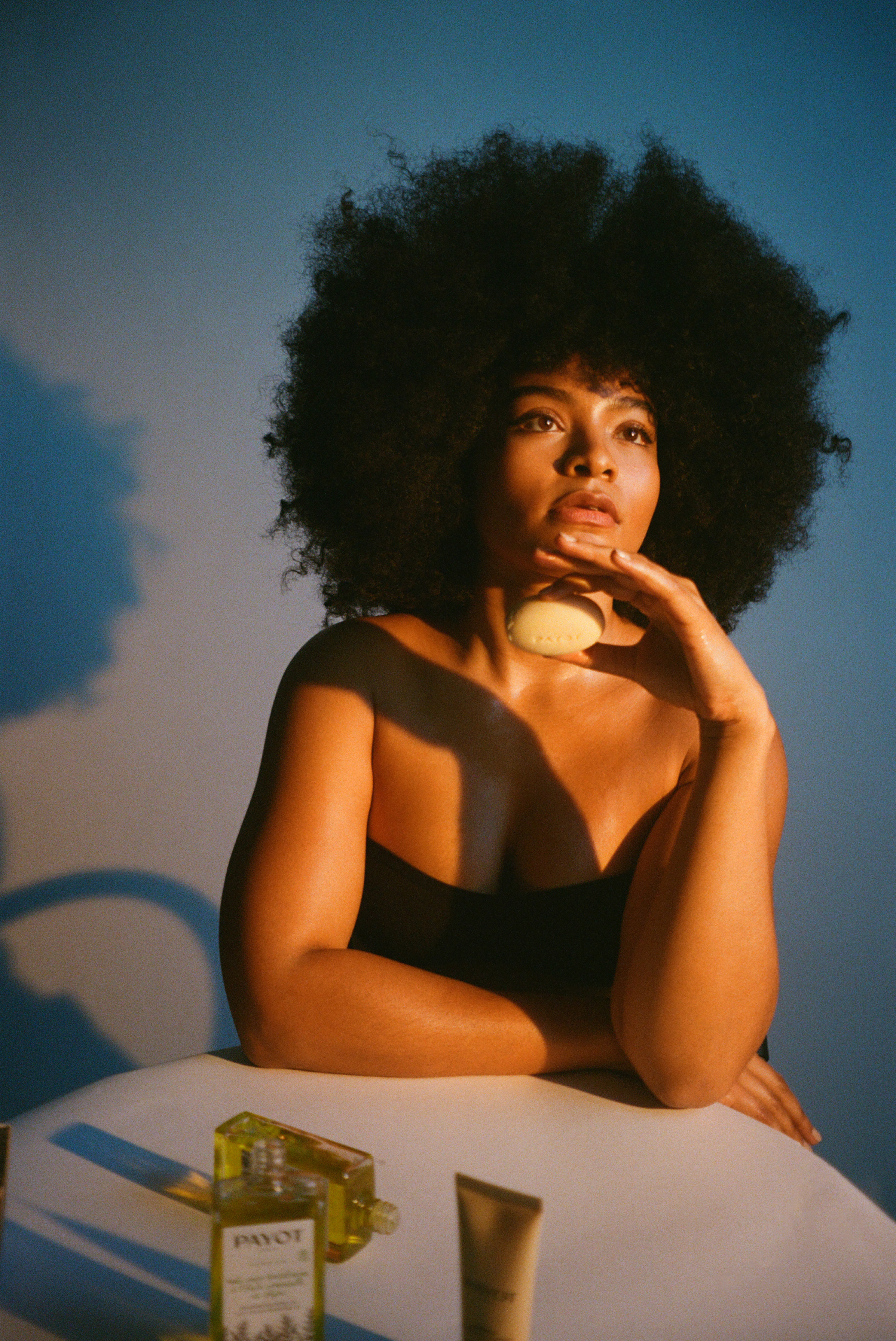

Their next step involves beauty with the recent launch of DoMa BeaUty as Lauren Wilson believes there is a connection between skincare and fashion as they tie to representations of the self and personal creative expression, further strengthening the focus on individuality and personal connection they are building their community around.
 mabou
mabou 
Leave a comment