
Since 1976, the month of February has been officially recognized as Black History Month by every American president. If Black scholars started honoring their peers’ work as early as 1926 it took another 50 years, and the influence of the civil rights movement for it to reach the status it has today. This month has also become an opportunity for the fashion industry to recognize the influence of the Black and African-American communities on fashion and artistic creation as well as to look at some of the ways fashion has been increasingly including Black creatives.
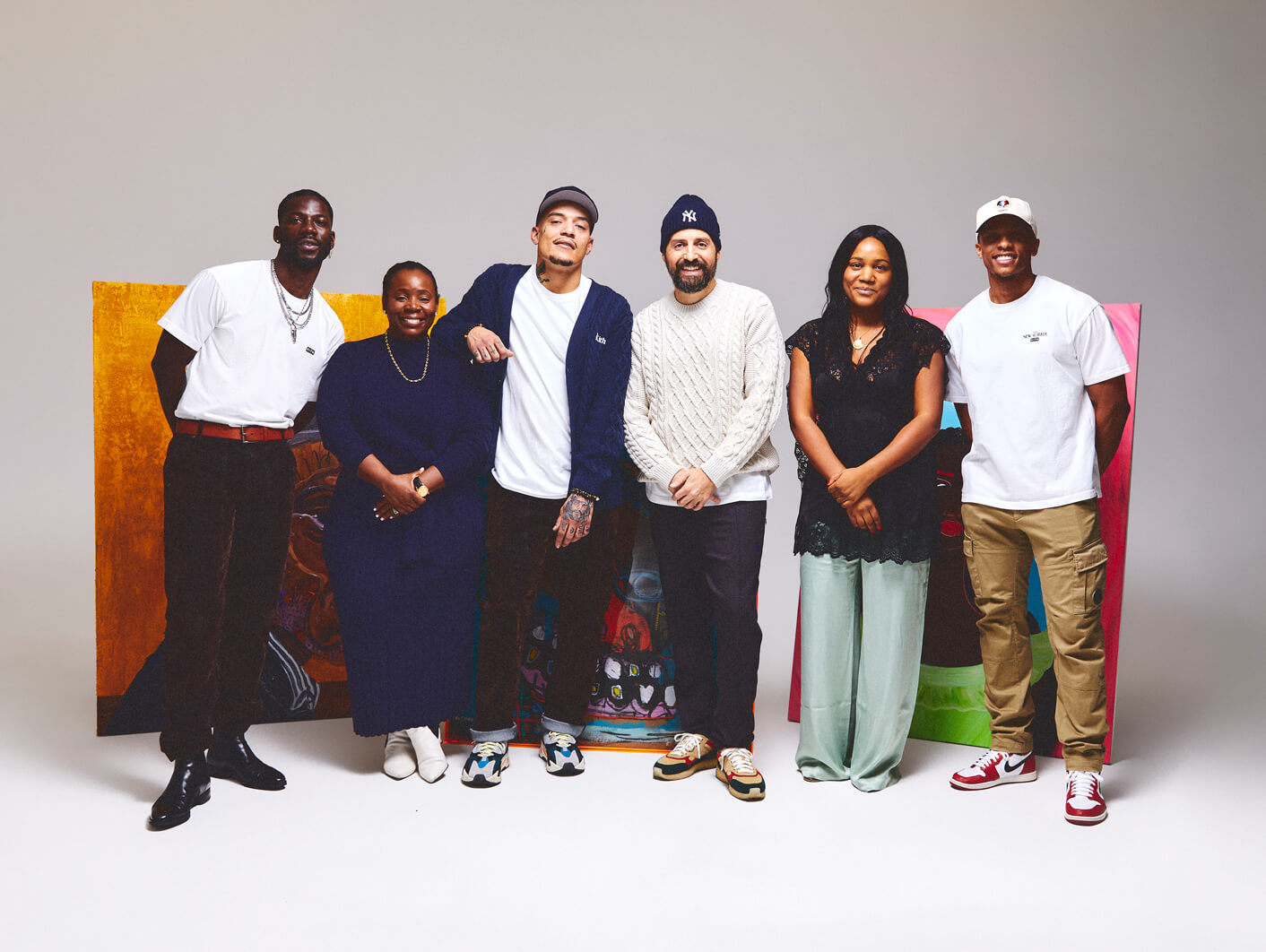
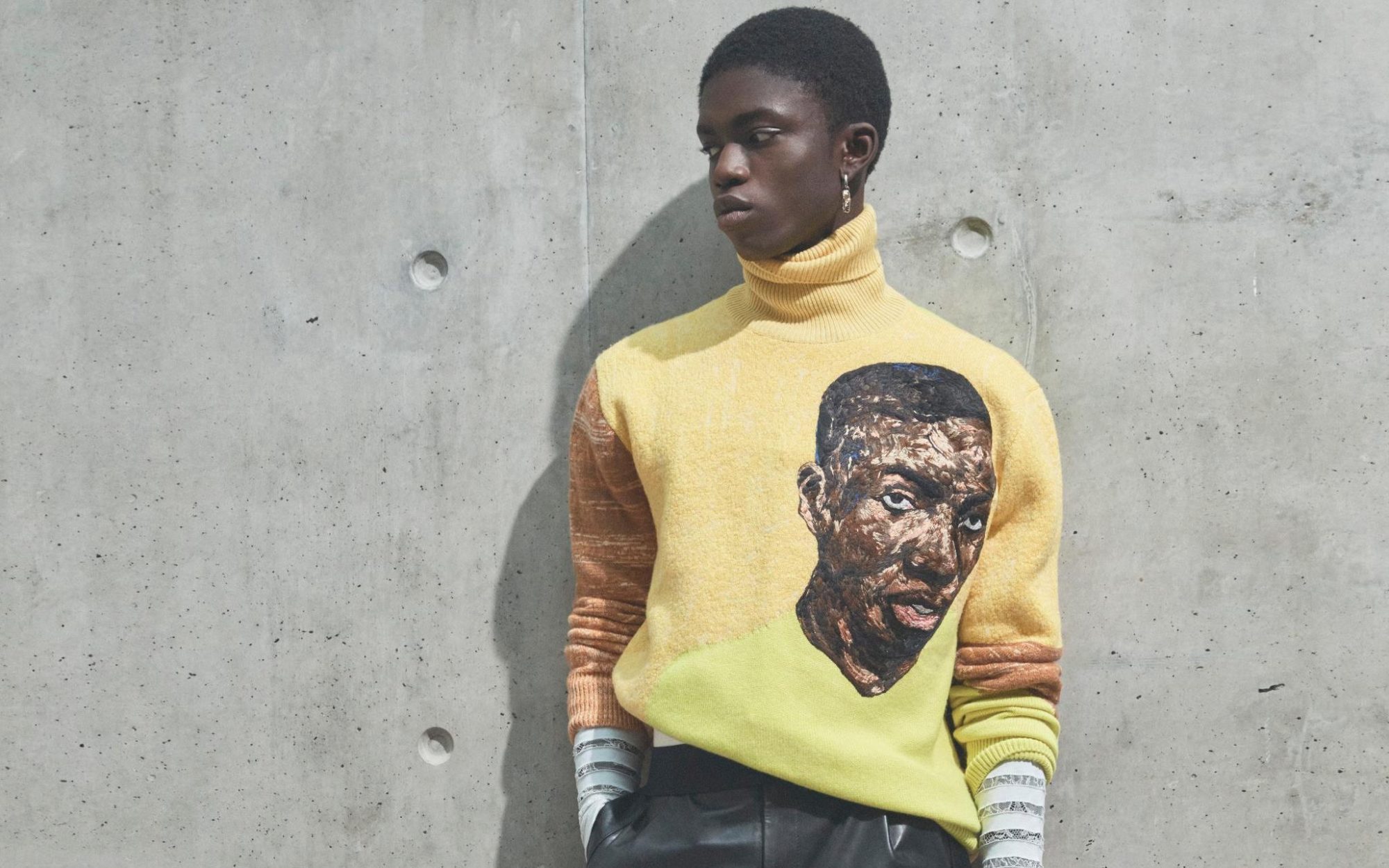
This month, KITH has developed a capsule collection with three rising Black artists. It is one example of the way Black creatives have been increasingly mandated by fashion labels. Other examples I particularly love include Bottega Veneta which has been launching a communication campaign with Zandile Tshabalala and Dior which invited Amoako Boafo to design some of its men’s pieces in 2021. These three examples shed light on some of the ways Black artists have been given direct power over the creative and cultural message they participate in framing.
KITH worked with artists Robert Moore, Delphine Desane & Ludovic Nkoth, artists from the African diaspora, and, besides the direct economic profit they gained from launching a ready-to-wear collection with a brand such as KITH, the brand gave them the opportunity to discuss their path to becoming artists as well as the structural challenges they faced both within the art world and the fashion industry (Desane used to be a stylist, and she already collaborated with Jacquemus on his SS21 campaign). If each had a unique path to becoming an artist, they stressed the importance of being part of the larger cultural conversation and the newfound legitimacy of Black artists in directly shaping trends as opposed to simply being a source of inspiration. “The idea of belonging here and having my work be accessible to the culture is very important to me,” said Desane.


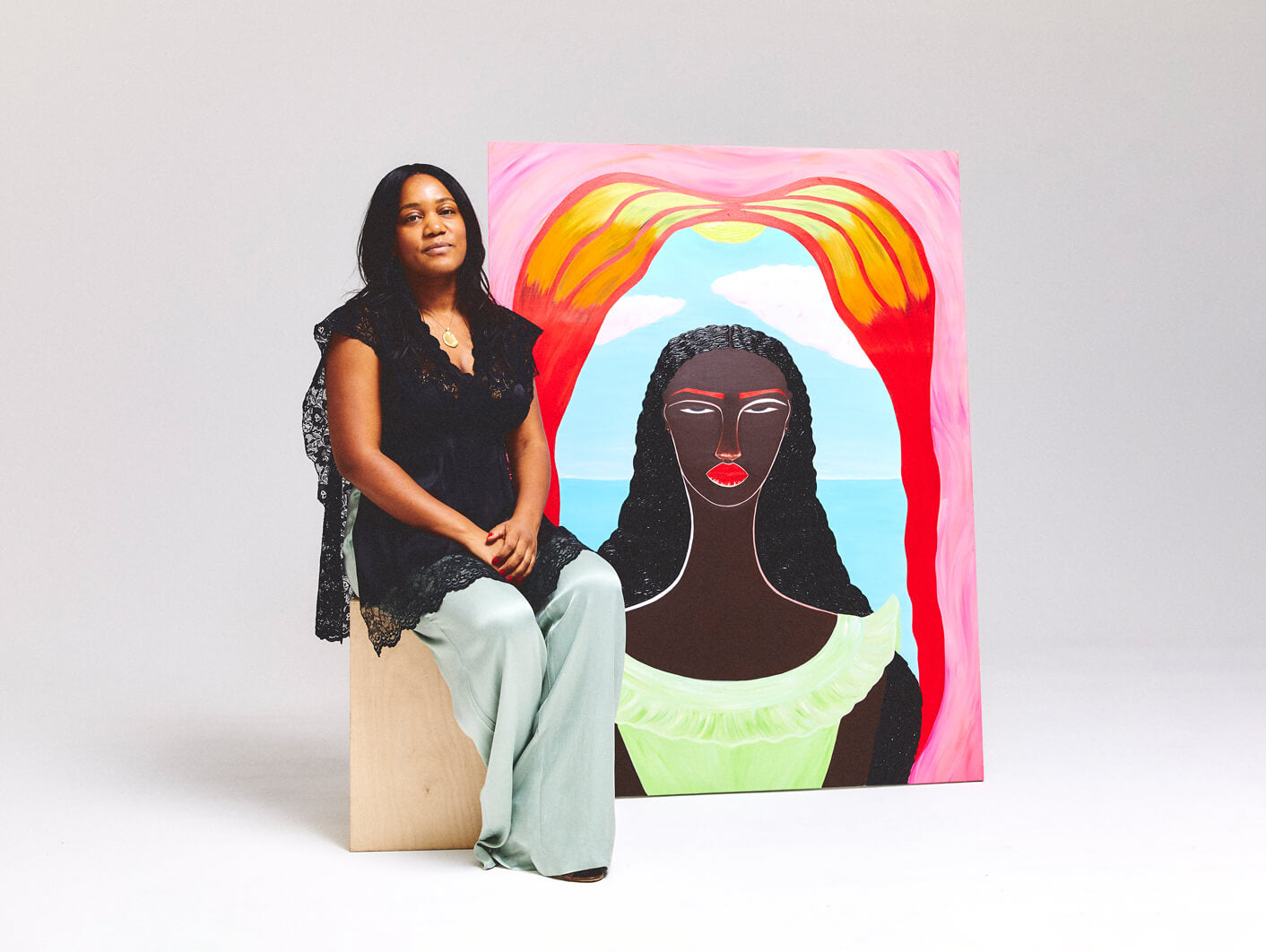
When it comes to the collaboration between the South African artist Tshabalala and Bottega Veneta, it was related to the opening of their new Soho store and got minimal visibility on social media and regular press. Yet it shows the willingness of brands to work with Black creatives across several channels and lend their platforms to give global visibility to up and coming artists. It also shows that brands are increasingly willing to twist their identity and invite creative figures outside of their usual creative language, adding layers to their identity. Bottega is a striking example of full brand redefinition that is probably looking for a form of settlement after the departure of Daniel Lee under unexpected circumstances, but it is still a good example of brands experimenting with giving strong voices to creatives outside of their traditional brand references and across platforms.


Screenshot from Zandile Tshabalala’s Instagram
Concerning my third example, during an interview speaking about his work for Dior, Amoako Boafo stressed the similarities between the art world and the fashion industry. “They convey genuine messages about being and self-worth, much of which aligns with why I create—to elevate individuals and to define oneself.” This encapsulates the importance of both the art world and the fashion industry in giving a wide range of people a voice in a society where diversity is increasingly praised and encouraged. Fashion, therefore, is not only a catalyst at the individual level to express and define oneself, but also part of an institutional system shaping our social norms and values, our culture. It is a representation of social changes, at an economic level but also at a cultural level.
In the past few years, and especially after the George Floyd tragedy, brands have become more aware of not only the need to legitimize the influence that invisibilized communities have and have had on fashion creation, but also the urgency in placing people of color in decision making positions across the industry. To illustrate this point, the rise of streetwear, initially in pret-a-porter and now fully in high and luxury fashion was spurred by Black communities in the US and globalized by labels without credit being given to the drivers of the trend. This had both a cultural and economic impact participating in invisibilizing minorities and discriminated communities. In many ways, the murder of George Floyd accelerated the collective sense of consciousness about the rampant institutional racism within American organizations and beyond.


The fashion industry has a responsibility in acknowledging their failure in crediting Black creatives but also in putting them center stage. Indeed, the cultural influence of the industry is centripetal and reciprocal to the extent that it influences culture and culture is influenced by it. This is all the more relevant when speaking about artistic collaborations as art is one of the strongest expressions of culture. It is now established that art and fashion are interdependent and have increasingly been intermingled in the past decades. Fashion gains cultural relevance by working with artists while artists gain establishment and the opportunity to reach a wider audience outside of the closeted gallery-collectors-museums curcuit. Christopher Martin, who worked with Vans, stressed that “Ultimately, it gave [him] a much larger audience to communicate with.”
Art, this has become a given, is political, and so is fashion as has been already said on this blog. Without even looking at collaborations, designers have always gotten inspired by their visits to museums and the fashion in portraits of white people painted by white artists, especially in the West as stressed by curator Brice Yonkeu from Bwo Art, with whom I discussed the rising numbers of collaborations between Western fashion brands and Black artists.
But, certainly because of the lack of representations within these institutions, grasping the full impact of Black communities on fashion has always been more difficult. Not only are they not properly credited but they also have a harder time reaching the recognition white artists have and have had over time. Now that the canons of beauty are expanding within the art world and the fashion world, Contemporary art by Black artists has become a legitimate source of inspiration in the same manner that classical art is.
These collaborations are a way to reinforce this cultural legitimacy in shaping what matters in our societies. It underlines the importance of fashion as a cultural phenomenon and fashion labels as tastemakers. If it seems like they are adapting to their audience and clients changing taste, they also play an active role in defining what is relevant. This global expansion of canons of beauty participates in enriching our cultures and sources of inspiration.
It allows for a multiplicity of standards rather than the one that has historically always been considered as the gold standard: the thin white body dressed following strict color, shape and fabric codes established through time and displayed in art history, magazine, and social media. Opening the door to Black creatives is part of the process of reshaping what we value as a society and what we consider as cultural landmarks, as well as rethinking our definition of beauty. As this is an ongoing process, Black creation visibility is only one part, albeit critical of the new ways of engaging with fashion, beauty, and creativity.
 mabou
mabou 
Leave a comment