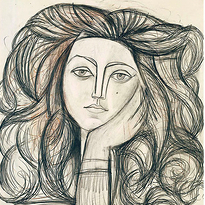

Hermès is most certainly among the least marketing-oriented luxury brands out there. This strategy of discretion contributes to the sustainability of their aura of exclusivity. Hermes bags are the epitome of luxury, among the most thought after items, not to say the most. For that matter, Chanel’s revision of their pricing strategy is an overt attempt to establish the status of their bags at the level of the Hermes. Time will tell if they end up being successful.
This strategy of discretion does not only apply to their iconic classic bags but also to their silk scarves, even though this is probably one of the most prolific areas in terms of renewing creation, and therefore, deserving to be advertised. Hermès scarves, produced since 1937, are the bestselling of their category across the industry globally. They were initially made from imported Chinese silk (now from Hermes plantations in Brazil) and were twice as strong as any other scarf in the category. Certainly, their constant renewing, limited editions and collaborations with artists contributes to establishing them as collectibles.


Indeed, Hermès scarves are the perfect collectibles, not only because their plane square form is a particularly fitted canvas and the quality of the craftsmanship is outstanding (hand printed and rolled in France), but also because Hermes chooses to collaborate with exceptionally talented designers and artists, season after season. It is now working with approximately 50 artists. The Maison offers four scarf collections a year: two of heritage silk scarves, and two of scarves hand-stitched from a blend of silk from mulberry moth cocoons (spun by silkworms farmed at the Hermes-owned facility in Brazil) and cashmere.
Arguably, one of Hermès’ key concerns, and most certainly one of the reasons behind its long-lasting success, is the protection of its brand identity linked to the quality of the French production and, crucially, the sleek, tasteful designs. It is therefore no surprise that they work mainly with French or European designers. The goal is to preserve the exceptionality of the scarves, being rooted both in tradition and therefore history, and to bank on the fascination of international consumers for European culture and artefacts. Hermès has managed to establish its scarves, and bags, as pieces of art. Probably no other luxury brand has managed to become a subject of collection for its sole items.
Indeed, in and of themselves, Hermès accessories are cultural identifiers and represent a storied exceptional history. One artist with whom they collaborated, Kermit Oliver, yet stands out as the only American artists with whom the brand ever worked. If this is already exceptional, the fact that he is not internationally recognized, and that the Hermes collaboration was the most visible project he participated in, speaks to the self-confidence of the brand.
Usually, brands work with artists to assert their contribution to culture and gain from the artists cultural validity in an effort to distance themselves from pure consumption, indeed, they mostly work with already established or rising artists as an insurance of being able to sell. In this case, and in the case of Hermes in general, the fact that they decided to work with an artist validates their cultural significance making the brand a patron and promoter of art in an effort to give visibility to the artists they work with, rather than engaging in a purely marketing-oriented move.
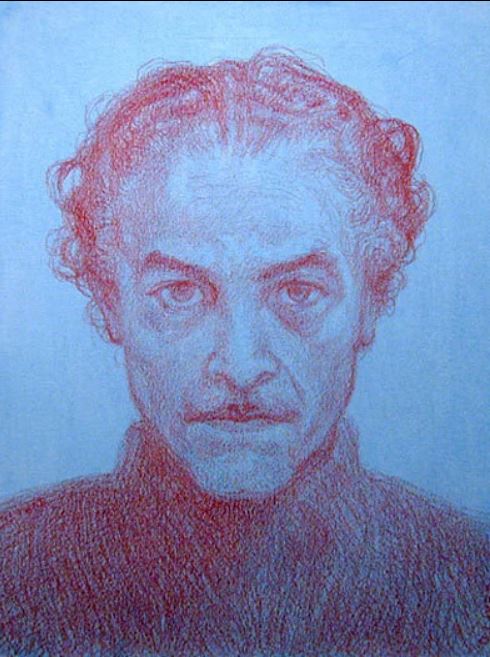
In fact, because of their brand status, they already know that their items will sell, relieving some of the commercial pressure. Kermit Oliver’s story is interesting in many aspects. He was connected to the Maison thanks to the founders of the Neiman Marcus department store and collaborated for many years with Hermes working on 17 designs, starting in the 1980s, including the one paying homage to the store on New York City’s Fifth Avenue. He lives in Waco, Texas and worked as a postman to support his family.
Before this collaboration, he was a recognized African American artist in Texas and had several shows in the 1970s, but his success was never national and even less global. His difficult life story and choice to remain hidden from the exposure success would have brought him, might explain why he always remained less famous than he deserved for his talent. Yet, some of his scarves transact for more than times the initial price on resale platforms, showing that in the case of Hemes limited edition collaborations, people do not buy the artists or the collaborations, they buy the Hermès scarves.
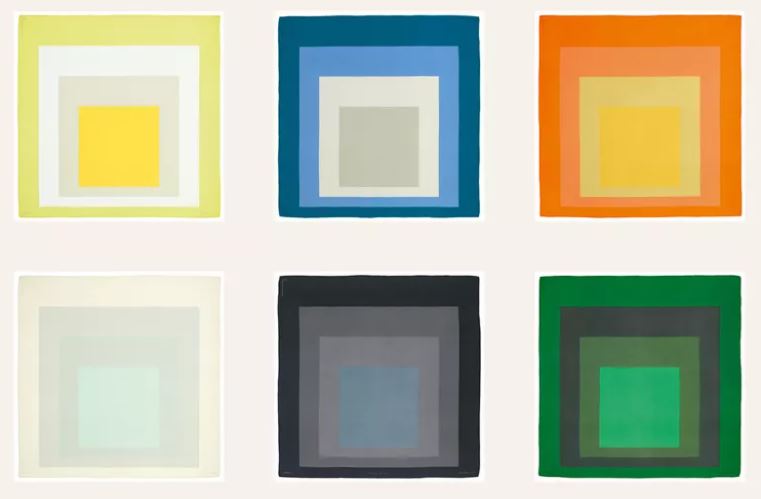
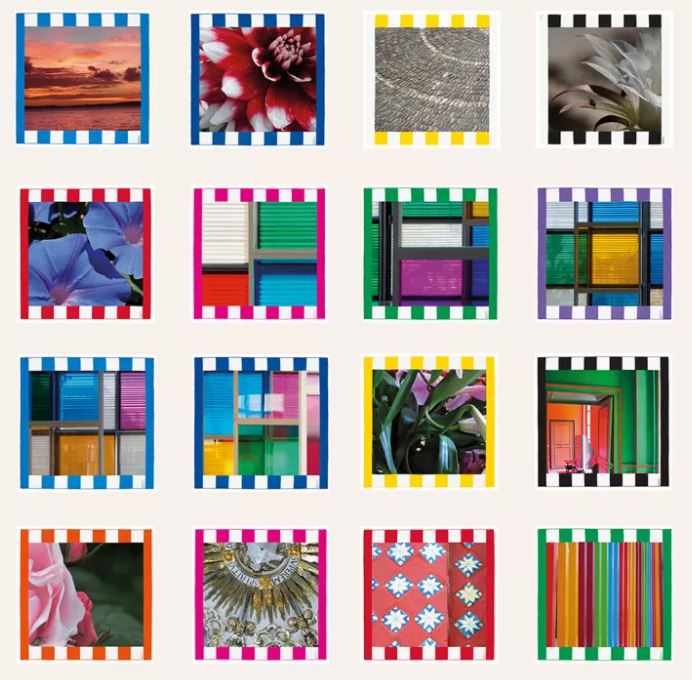

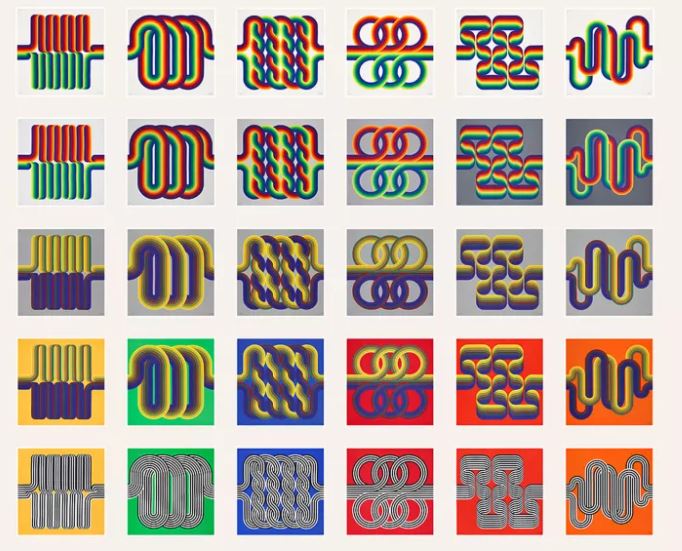
This does not mean that the house does not also work with more established artists, and their Hermès Editeurs initiative was a pure marketing effort. They printed works by Josef Albers, Daniel Buren, Hiroshi Sugimoto and Julio le Parc. The fact that they did not reiterate might boil down to the economic interest of such an action since they probably have to pay higher rights to artists’ estates, or it might also speak to their willingness to not do like everyone else is doing, since, frankly, sales and share price show they don’t need to.
 mabou
mabou 
Leave a comment