

When collectible fashion meets the Metaverse
On December 13th, Nike announced it acquired the NFTs Studio RTFKT Studios to expand its presence in the metaverse. Already back in November, the footwear giant hinted its interest in the new digital space by filing half a dozen patents with the US Patent and Trademark Office (USPTO) related to its fashion “for use online and in online virtual worlds”. On the other hand, RTFKT raised $8MM in May in a seed round led by Horowitz that valued the company at $33.3MM giving an idea of the undisclosed price Nike paid for the acquisition.
Founded in 2020, RTFKT quickly gained traction by being at the forefront of the frontier between physical and digital collectibles. The founders of RTFKT define themselves as geeks who grew up during the explosion of online gaming but also physically collectible games. According to their words “[They] grew up playing Diablo, Half-life, Runescape, Minecraft, watching DBZ, Evangelion, Akira, Star Wars, collecting, trading and reselling Magic, Yu-Gi-Oh and Pokemon cards.” They see in NFTs the ability to create the same sense of rarity and exclusivity as physical assets that are, de facto, unique and limited in number, within the digital space.
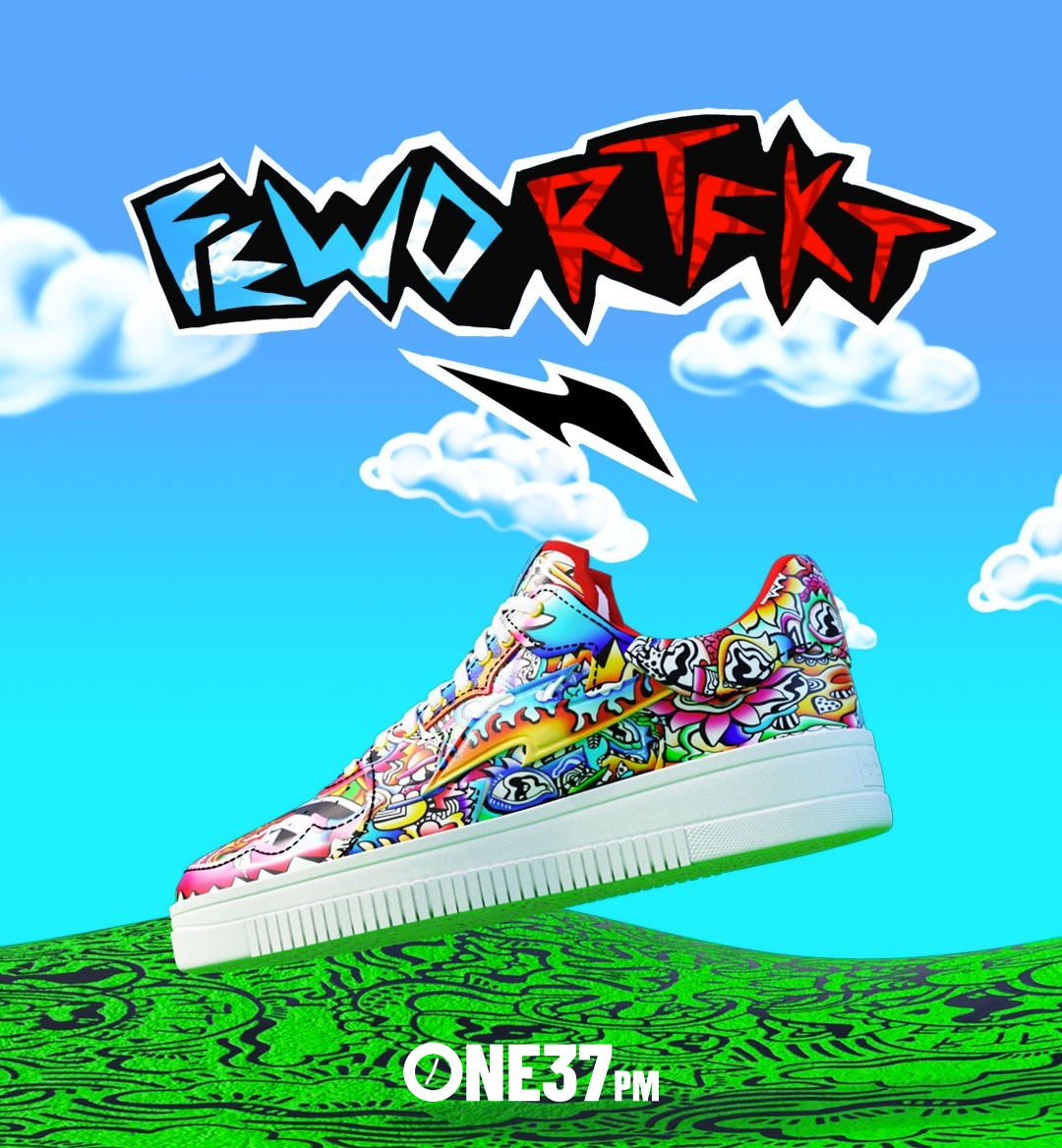

Fittingly, they started making fashion publications’ headlines thanks to their sneakers NFTs collection with digital artist FEWOCiOUS, sneakers already being cultural collectibles. The NFTs were redeemable for their physical counterparts, appealing to both digital and physical collectors. They sold 621 pairs/NFTs in just 6 minutes representing $3.1MM in revenues while these assets sold for more than twice the price on the secondary market. Their appeal resides both in their ability to tap into a specific community thanks to the nature of the NFTs they design, and the building of a unique consumption experience at the intersection of culture and gaming.
What is more, they hyped their drop even more by deciding to work with an artist. This method of creating excitement with consumers has been tried and proved by traditional luxury brands as they leverage the cultural importance of artists to create a heightened sense of exclusivity.
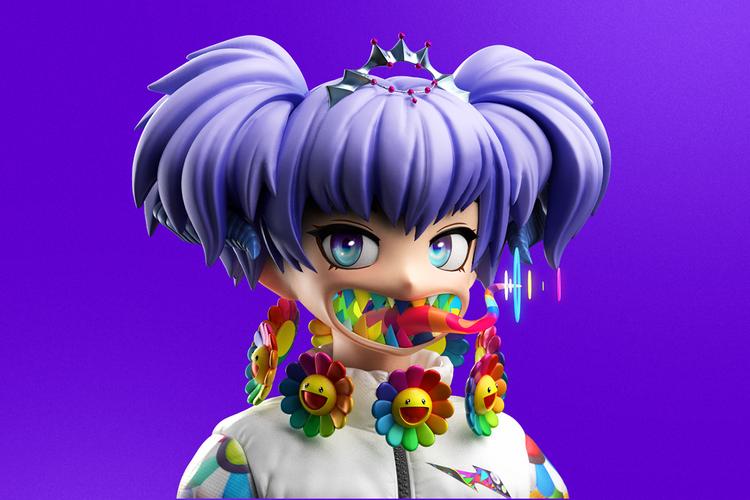
By working with FEWOCiOUS, they spoke to the cultural references of the digital community, as he is one of the most successful exclusively digital artists. More recently, they moved into the mainstream artworld (and metaverse for that matter) by collaborating with Japanese artist Takashi Murakami on the CloneX project, designing 3D-based avatars that can be edited by the owners allowing them to express their creativity. They also function in games like Fortnite expanding their utility within the digital space, and thus, their value. According to TechCrunch, “Since its initial drop less than three weeks ago, the project has already seen nearly $65 million in transaction volume according to crypto tracker CryptoSlam.”


Their acquisition by Nike not only legitimizes the work they have been doing so far, it allows them to gain visibility within the traditional fashion community. If their NFTs were addressed to a digitally fluent, online community, Nike choosing to expand within the digital space will allow their work to gain traction in the physical world with a more mainstream audience. And so in less than 2 years. The rapid growth and momentum of NFTs shows the exponential potential of the technology as its appeal to the retail and luxury industries. There is clearly no single model as to how to use the technology. It testifies both to the work and research that remains to be done, but also to the numerous ways this technology can be used.
From the purely digital to the purely physical to the intersection of both, there are as many potential iterations of the use of NFTs as there are brands and products that can and will most likely use it in the near future. LVMH former Chief Digital Officer stressed back in March, during a conference on fashion technology, that there is no reason why consumers could not get a bag and an NFT at the same time. There are several ways this could go: either one could buy the NFT only being a twin of the physical bag, one could buy the certificate of authenticity of the bag being embedded in the blockchain as an NFT, or one could buy both of these along the physical object.
Going one step further, this would allow the brands to control the secondary market and follow the full life cycle of their products once they exit the store. For consumers, it means greater transparency in terms of authenticity but also supply and demand of a given physical (and digital) asset. We are at the dawn of a new era for fashion and Nike is most definitely at the forefront of innovative ideas and mediums. In the words of Benoit Pagotto, founder of RTFKT Studios “Fashion brands in the past, were purely focused on fashion items, then recently evolved into lifestyle brands, creating content, exhibitions, and movies. But we think that the Metaverse Era allows for a new way for fashion brands to create not only fashion but a full living ecosystem.” and Nike will surely not be the only company to engage on this path.

 mabou
mabou 
Leave a comment