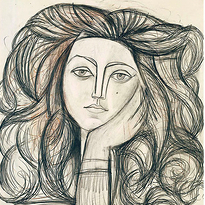

When a feminist artist meets a feminist designer.
On January 20, 2020, Dior presented its Couture show in collaboration with American feminist artist Judy Chicago in the gardens of the Musée Rodin in Paris. The show, titled “The Female Divine” presented goddess-inspired metallic dresses and ensembles. The collection was replete with references to the Maison’s heritage in chromatic conversation with the set designed by Chicago in gold and purple. The color composition aims at elevating women to the rank of royalty, respect and power attributed traditionally to men in the highest social roles, who used to wear purple and gold attires.
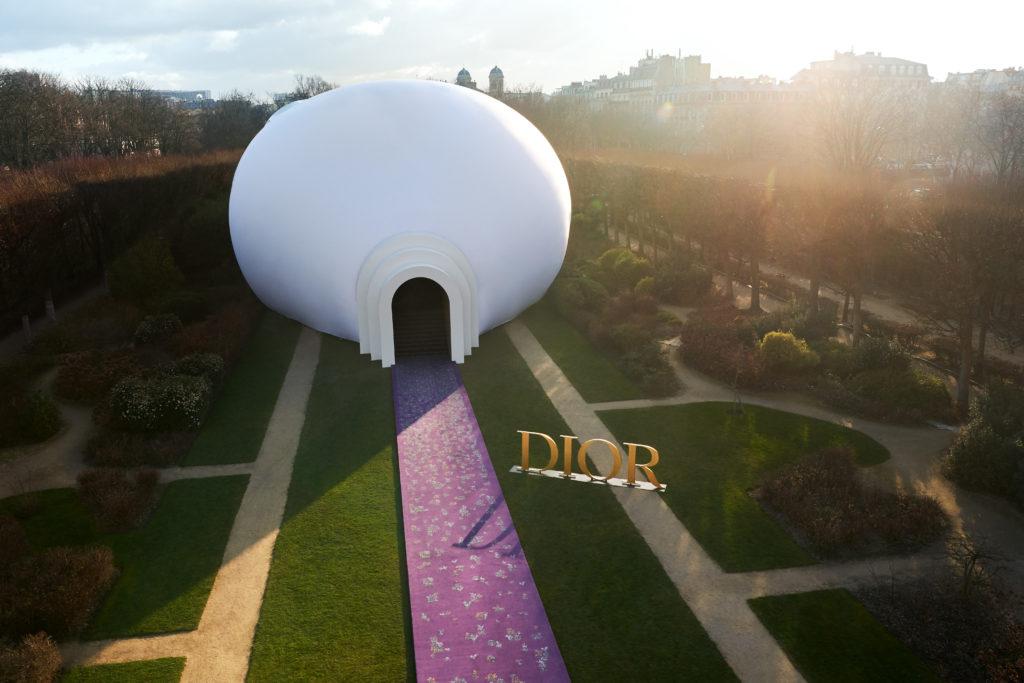
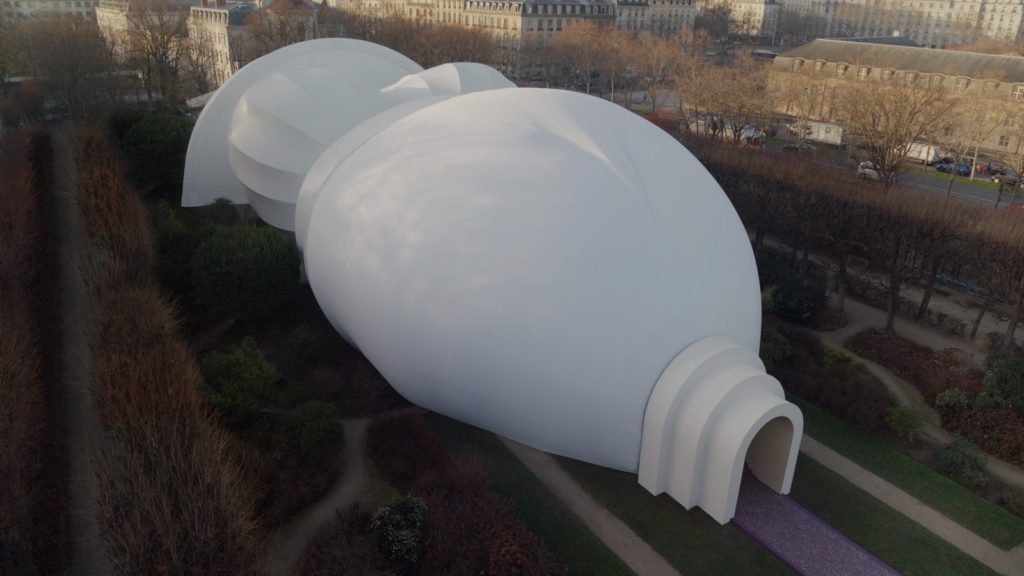
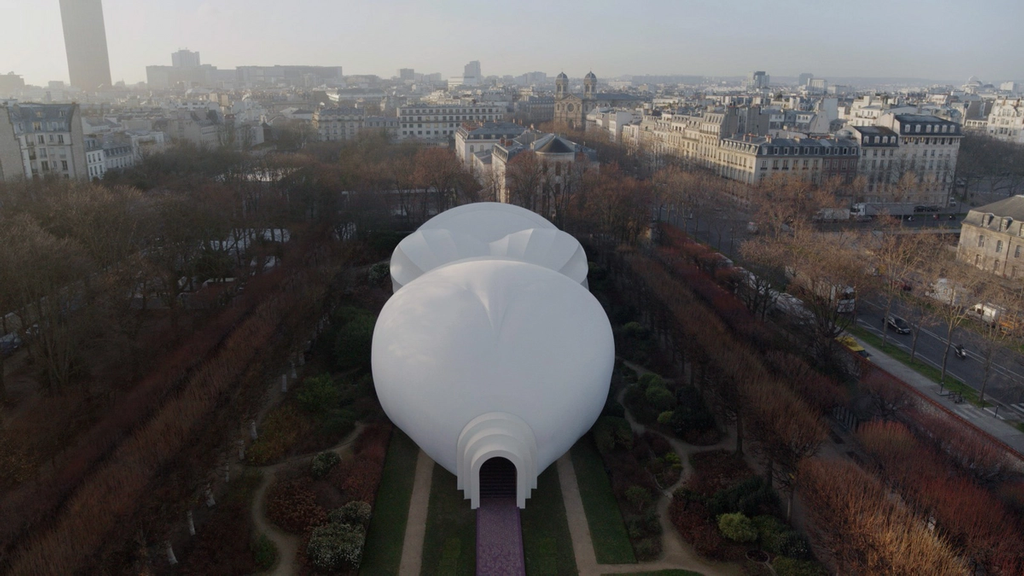
The set was an elaborate womb-like 45-foot-tall white-tent structure resembling the Venus of Willendorf an earlier representations of women’s bodies (the artist had conceived an earlier version of the structure in the 1970s, but never built it), with golden woven interior walls and a purple flowered millefleur floor. Completing the set were 21 brocade, hand-embroidered banners made by women from an Indian non-profit with feminist statements such as “What if Women Ruled the World?” in both English and French.


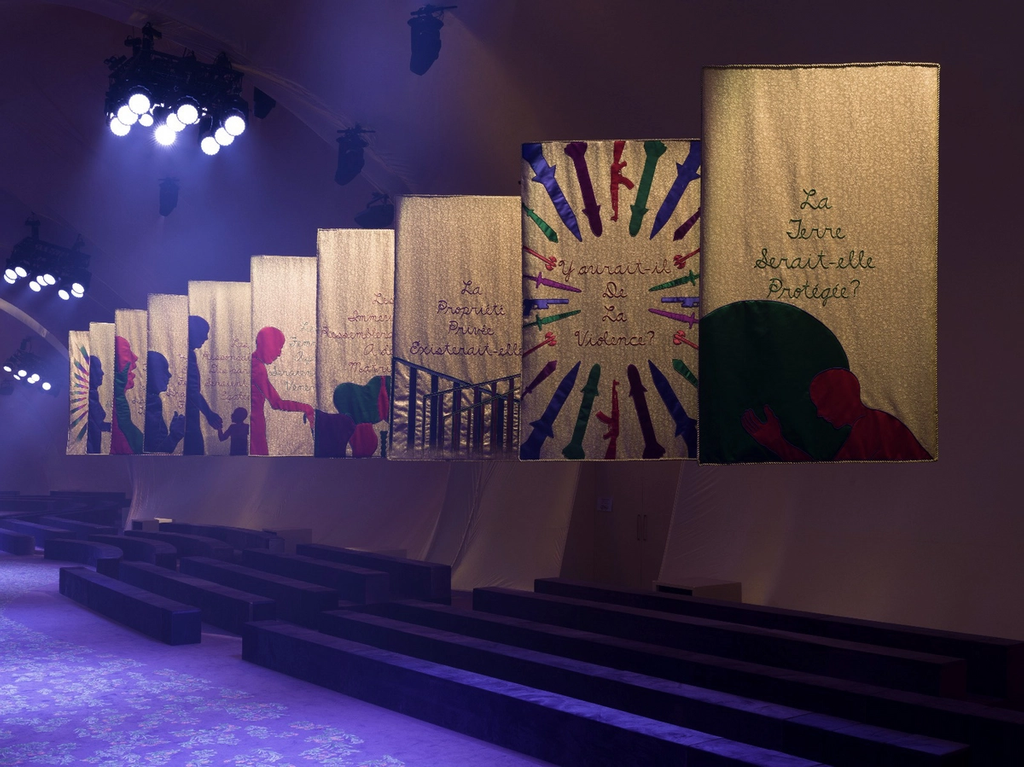

This was probably the most direct reference to Chicago’s most acclaimed work, The Dinner Party (1974–79), permanently displayed at the Brooklyn Museum in New York. It consists of a massive triangular table with 39 seats each dedicated to an iconic historical feminist figure, starting from the dawn of times and ending in present days. Each seat and plate set is richly decorated and full of iconographic details referencing the deeds of the guests. Other women who did not make it to the table are cited on the table cover and tilted floor. A corridor with hanging tapestries asking questions about the role of women in history serves as an antechamber to the dark room welcoming the table.

This was not the first time Maria Grazia Chiuri, artistic director of Dior since 2017, collaborated with feminist artists, as she made a point doing so starting with her first collection “We Should All be Feminist” in collaboration with Nigerian novelist Chimamanda Ngozi Adichie. As the first female designer at the helm of one of the most iconic fashion houses, Maria Grazia Chiuri wants to show that fashion can be political and that it does not only involve diktats imposed by men anymore. It can be empowering, freeing and, above all, on women’s terms, which is not the standard in luxury fashion.

In an industry almost exclusively addressed to women and largely catering to traditional women’s taste and audience, one can only be appalled by the strong underrepresentation of women in places of power and decision making, from design to executive responsibilities. This is one of the reasons why Judy Chicago was initially intrigued by the idea of collaborating with a luxury fashion powerhouse like Dior. Nevertheless, her and Maria Grazia Chiuri quickly connected and the result was an impressively successful synergy of their artistic enterprises and inspirations. Chicago connected with the obsession for perfect craftsmanship she fell in love with working on The Dinner Party, also involving banners and textiles. She mentioned working with Dior has been “the greatest creative opportunity of [her] life”.
By working with such an established and recognized artist such as Judy Chicago, Maria Grazia Chiuri not only orchestrated a masterful marketing moment, she elevated her craft to the rank of art. By repeatedly and consistently collaborating with artists, Maria Grazia Chiuri gradually establishes the Dior Maison and herself above the rest of the industry, representing the most distinguished and refined sense and fashion and resonating beyond simply dressing up. She understands that to remain (or become) culturally relevant long term fashion cannot simply be a disconnected reflection of the zeitgeist of the time, it has to speak to current cultural debates and take a stance. “Art has to be more than the marketplace. It has to mean something.” said Chicago. So does fashion.

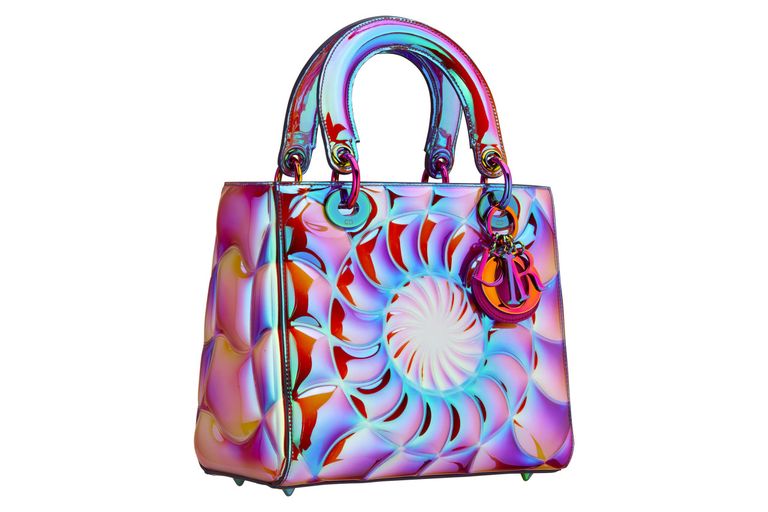

Younger generations of consumers, especially zillennials and Gen Z are asking more from brands than to simply produce beautiful and perfectly crafted items. Labels are a way of life, a display of someone’s identity beyond aesthetics. Owning a Dior bag is saying something to someone’s peers. And Dior knows it. In October 2020, Judy Chicago designed a Lady Dior bag in the context of the Dior Lady Art Project in which artists are invited to work on their own version of this iconic bag, showing Dior’s collaborations with artist is being institutionalized as part of the DNA of the Maison, for the long run.
 mabou
mabou 
Leave a comment