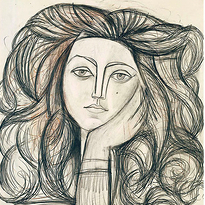

The epitome of art fashion.
Daniel Roseberry’s Schiaparelli is probably one of the most interesting things happening right now in terms of fashion inspired from art or fashion as art. Season after season, the designer references the avant-garde surrealist roots of the Maison and reflects around the body: from exaggerated shapes to fantasized features to jewels made from body parts, the relationship of the clothes and accessories to the body is explored in a literal fashion creating a playful invitation into the mind of the designer and into a reflection about our own physicality.


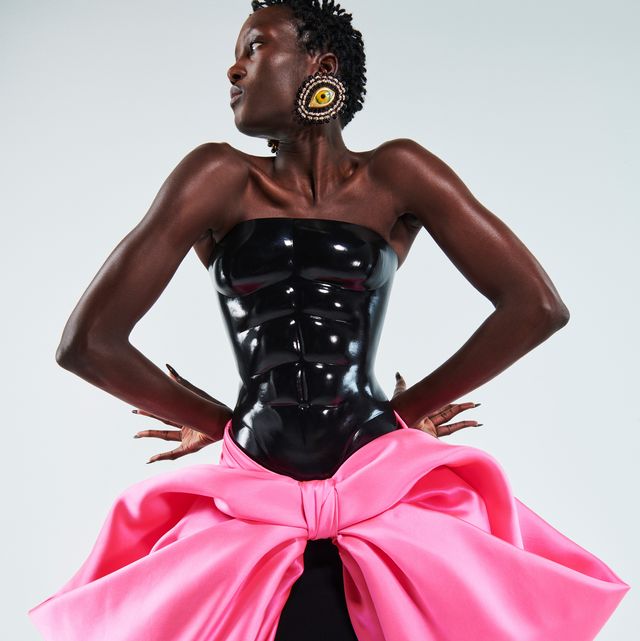
Particularly interesting is the focus on the accessories, which have a lower price point than the clothes especially in the ready-to-wear collection, representing a more accessible entry point for luxury fashion consumers. Roseberry magnifies trivial carnal parts such as the eyes, nose, ears, or even teeth and elevates them to the rank of flashy yet tasteful wearables. He gets inspiration from everyday life and makes it exceptional which has been the motto of Elsa Schiaparelli from the inception of the Maison.

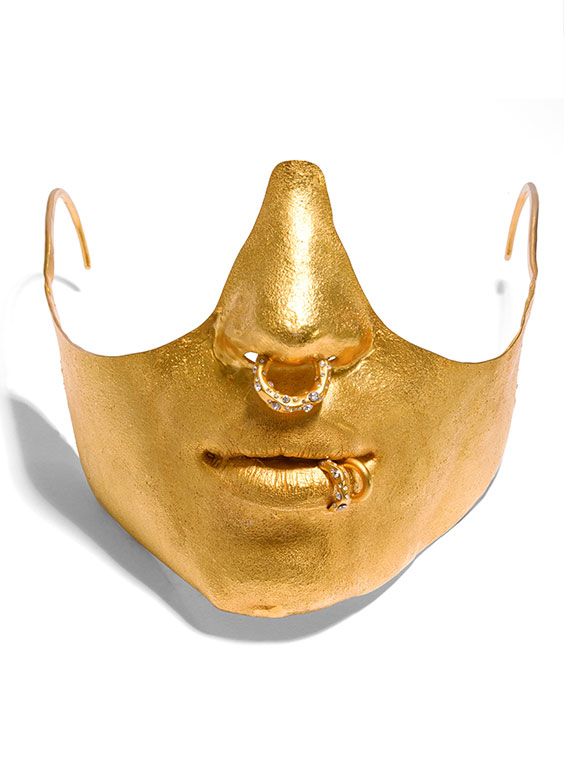

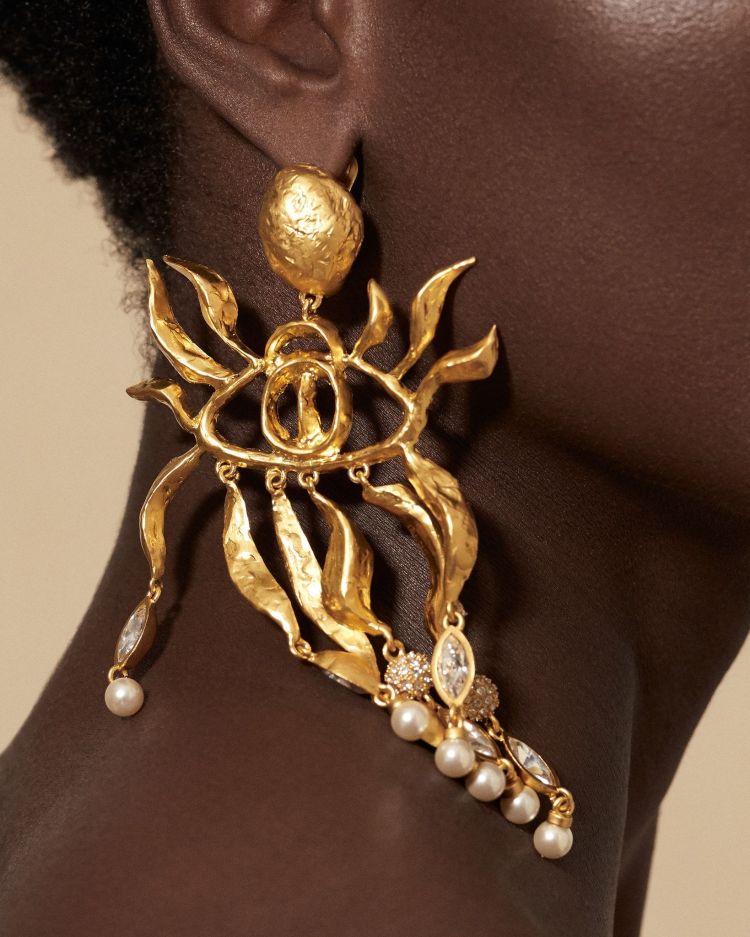

Elsa Schiaparelli was probably the first modern designer to introduce collaborations with artists within the luxury fashion industry and elevated fashion to a cultural phenomenon beyond dressing. Founded in 1927, the house has never stopped pushing the boundaries of boldness and eccentric creativity, displacing common elements to integrate them into original designs. The Roman-born designer has lived between Paris and New York, settling her house in the French capital where she spent time within cultural circles meeting the avant-garde artists with whom she collaborated. Schiaparelli had a special affinity with surrealism and worked with many leading figures of the movement.
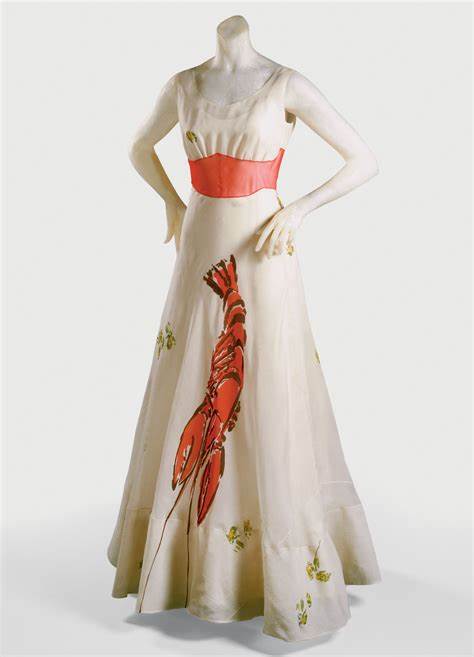
Among her most famous collaborations are her work with Salvador Dali, among which the lobster dress of 1937 and the shoe hat. Dali was one of the most important figures of the art scene of the first part of the 20th century and his work is full of references having hidden meanings and symbols. The lobster, in the dalinian universe, represents the fear of castration as defined by Freud and a women’s dress is the perfect inception of this fear related to the female. She worked with Alberto Giacometti on a jewelry collection and Meret Oppenheim, both surrealist items related to the body and physicality with a fur and metal bracelet for Oppenheim and one with a face for Giacometti.


Interestingly, this obsession about the materiality of the body went beyond the surrealist movement and several abstract artists explored this trope in a darker fashion (no pun intended) during the following decades. Eva Hesse’s work related to the quirks and intricacies of the body and flesh, it was droopy, drooling, imitating skin texture and body orifices and the decay of our carnal envelope. In another register, Carolee Schneemann used her body as a performative canvas for her happenings, making her nudity a powerful medium of expression.
Roseberry is therefore building on the historical identity of the Maison but is going one step further by integrating art altogether without the introduction of an artist. In the communique of his appointment, referring to the work of the house founder he said “Today, we find ourselves asking similarly big, identity-shaping questions of our own: What does art look like? What is identity? How do we dress for the end of the world? Schiaparelli answered these questions with candor and humor, but one of her greatest legacies may be her commitment to fantasy, her understanding that we need fantasy in complicated times.” This is especially relevant for the current time, the world being out of a pandemic, fashion is tilting to the funnier, lighter side with bold colors and exaggerated shapes. Art and surrealism are an invitation to escape our reality and challenge ideas beyond what we take for granted, Roseberry is showing that fashion can have the same power. While not necessarily practical, his dresses are ornaments, bejeweling the body and making the people who wear them jewels themselves.
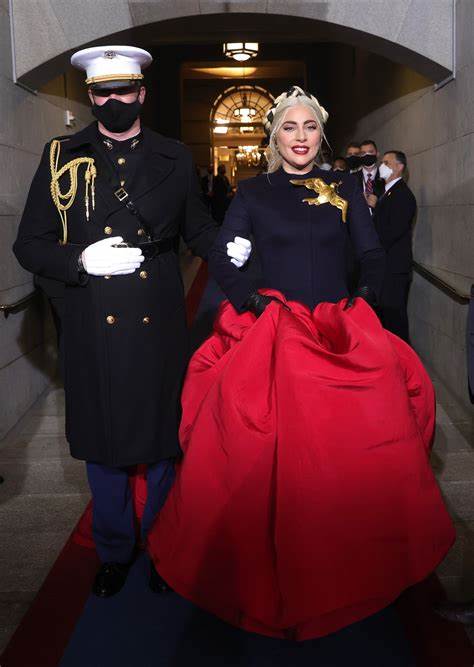
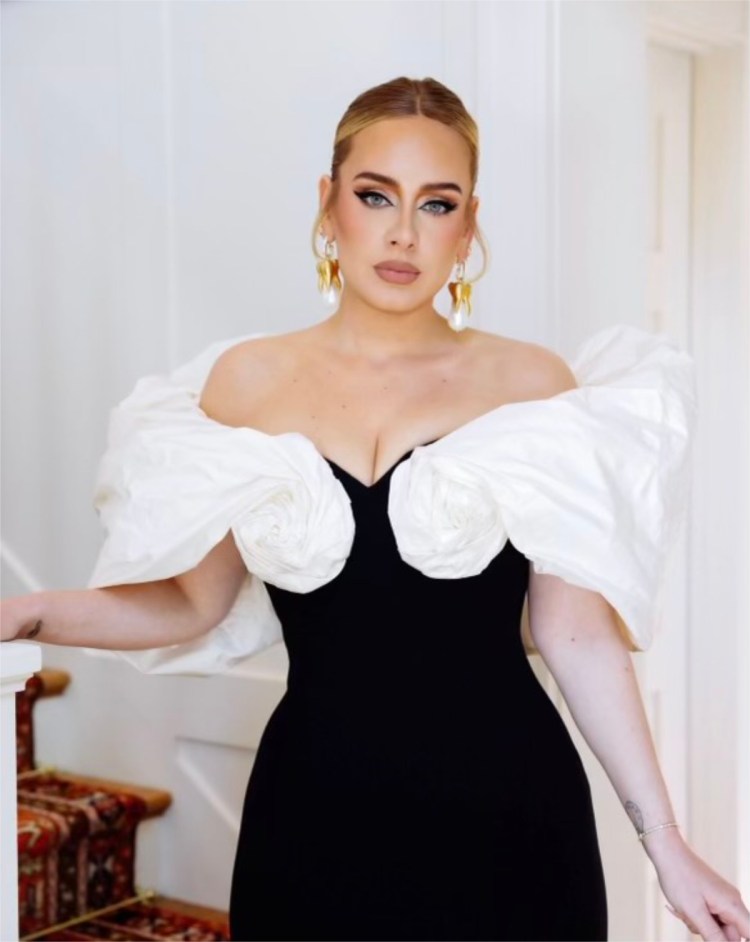
This merging of art and fashion contributes to the reputation of the maison as a cultural agent and tastemaker. The maison distribution strategy also remains particularly exclusive in a time and age where digital media have permeated every aspect of our lives, giving it a sense of inaccessibility. The Schiaparelli experience still rests heavily on physical footprints even if the house has started leveraging social media and building its Instagram presence, with the social media influencer Chiara Ferragni being one of the most recent people to be featured on their Instagram. The reputation of the maison among stars is well established, from Lady Gaga who wore a Schiaparelli dress to sing the national anthem during the investiture of President Joe Biden to Adele choosing the designer to dress her to attend a wedding.

But the house still struggles to attain hit status among a wider, younger audience and they need to target new audiences if they want to remain relevant. It is not a commercial Maison. While the design surely speaks for itself, the marketing struggles to tailor to young millennials and Gen Z who do not necessarily have the references and the willingness to dive into the complexity of the design process. Engaging, targeted digital experiences and influencers should be leveraged if the house wants to sit its cultural relevance. The potential of Schiaparelli by Roseberry is exponential, but some pieces of the puzzle are still missing to make the house the next big thing, and remain at the top.

 mabou
mabou 
Leave a comment