

A tale of two cultural icons.
In May 2021, Francois-Henri Pinault, owner of Kering opened the newly renovated Bourse du Commerce as a contemporary art museum showcasing his collection in the center of Paris. This move is certainly a response to the opening, in 2014, of the Louis Vuitton Foundation in the outskirts of Paris. In fact, quite interestingly, Pinault started working on the project the same year the construction of his rival’s foundation started. Kering and LVMH are fierce business competitors as the two largest luxury groups globally (with Richemont), both from France. (Even if LVMH dwarfs Kering with €53.6B versus €16.2B in 2019.) Beyond business (and fittingly critically) their respective founders, Francois Pinault and Bernard Arnault, are art collectors, large art collectors. They have established ties with the art market through Christie’s, owned by Kering, and relationships with world-class gallerists like Emmanuel Perrotin for Arnault. The main purpose of these cultural institutions, therefore, is to showcase contemporary art (and optimize taxes thanks to the Alliagon law). But it has a secondary, more discrete but probably more important goal: establish the founders as art patrons and their businesses as cultural actors.
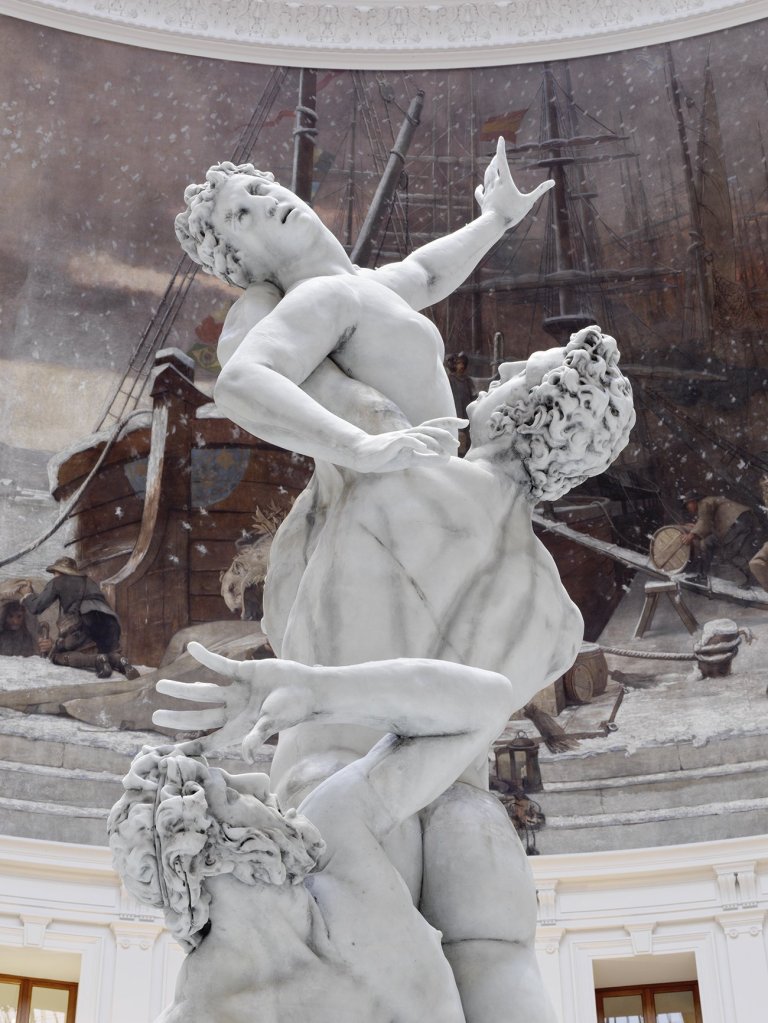
The Pinault Collection just opened, so it is harder to define their curatorial profile, but the inaugural exhibition hints towards their focus: contemporary international art mixing established artists and lesser known names. According to Pinault, he wants the collection to be “in constant resonance with its time”, which is exactly what his labels must do to remain relevant. The renovation mixes the traditional restaured architecture of the storied building with a brutalist contemporary accent given by Tadao Ando. Again, like in a luxury fashion show from a storied Maison, the goal is to give contemporary relevance to tradition. The result is visually powerful, masterfully balancing the delicacy of the original building and the roughness of the concrete in “a subtle dialogue between new and old” according to the architect himself. Concerning the collection, it is worth mentioning the dedicated artwork by Urs Fisher, presented in the central rotunda. “Composed of wax sculptures, Untitled (2011) is a group of monumental candles lit on the first day of the exhibition. It is a life-size replica of a famous sculpture from the Mannerist period: Giambologna’s The Abduction of the Sabine Women (1579-1582).” As the exhibition goes on, the wax melts and the artworks decays, “that which seemed perennial and genuine, turns out to be fragile and fictitious.” embodying the fleetingness of time and things, even cultural masterpieces. Another in-situ work reflecting on the fleetingness of time and in conversation with the museal institution, is the ensemble of 8 sculptures, “The Guardian” by Tatiana Trouve scattered all over the museum. Each represents an empty museum guardian’s chair in marble, onyx, bronze and copper – all lasting materials – with personal belongings hinting at the individuality of the eerie presence of their absent owners.


Worth mentioning too, is the extensive exhibition dedicated to David Hammons. This acclaimed Afro-American artist has considerable fame in the United States but is lesser known in France, showing that the Collection aims at taking a role on the international contemporary art scene beyond Paris. It wants to be seen by the global consumers Kering is catering to. Showcasing Hammons is also taking a political and social position as he was a vocal advocate for African-American rights in the United States and beyond.
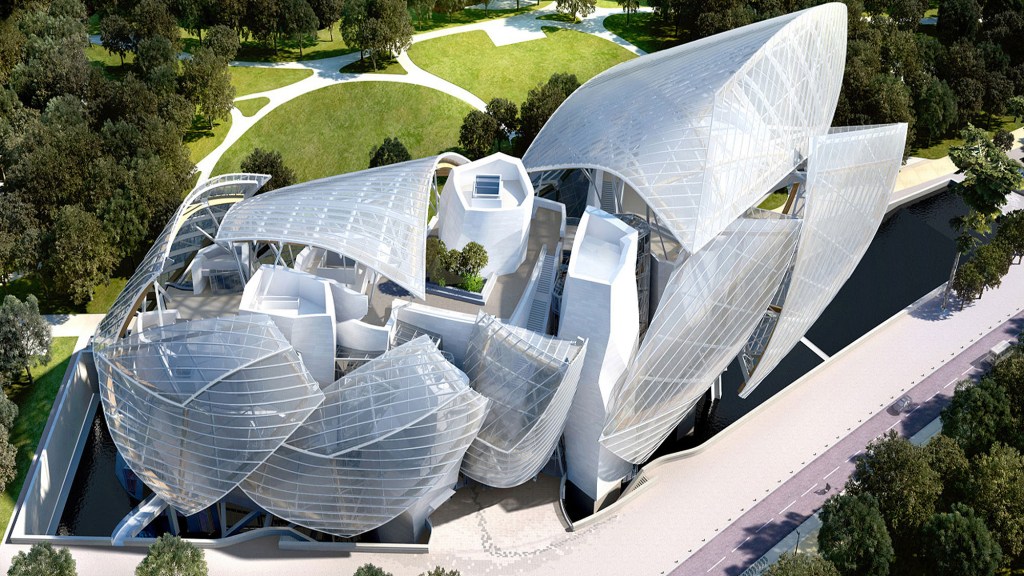
This international outlook is also clearly embodied by the Louis Vuitton Foundation, not only in terms of the curatorial directions but also in terms of the institutions they have been working with. Indeed, the exhibition Morozov that opened on September 22 is an example of diplomacy as testified by the presence of the French President Emmanuel Macron during the opening. It has been made possible thanks to the institutional ties between the Foundation and Russian museums, which began in 2016 when the Pushkin collection was also welcomed in the same galleries. It is the first time this emblematic collection, a Russian cultural treasure, is presented outside the country and it participates in strengthening the ties between France and Russia. Art has always been political, but it has also become a business stake for tycoons with an international market. Like the Pinault Collection, the LV foundation also has his starchitect, Frank Gehry who designed the light futuristic ship-like building. Like for Pinault (or more appropriately the opposite), the foundation is the occasion for Arnault, to showcase he is a cultural tastemaker beyond luxury fashion.


On the social front, Arnault also put an African-American artist in the spotlight for the Jean-Michel Basquiat exhibition in 2018. The pop art icon, referencing Black struggles, allows the foundation and the LVMH group at large to discreetly but forcefully take a stance. He also is one of the most commercial artists, featured in numerous fashion collaborations. Social stakes are a stream of income for luxury fashion giants, and Arnault knows it. Recently, the African-American designer Virgil Abloh has been appointed strategic advisor to LVMH after being the first Black designer named at the creative helm of the LVMH crown jewel, Louis Vuitton. During the same time frame, the group has established a strong business relationship with Rihanna through Fenty, and now as the figure of the most recent Rimowa campaign.
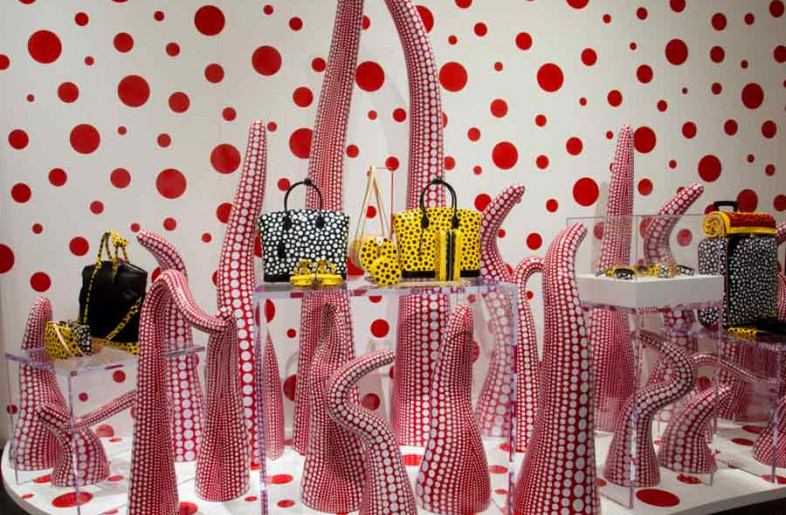
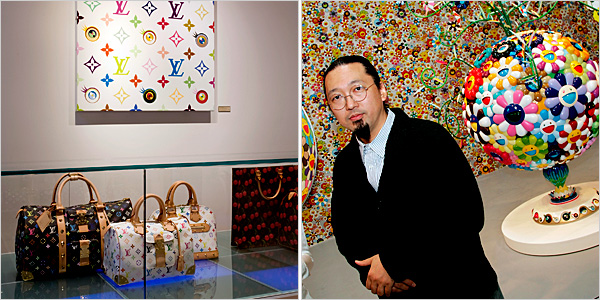
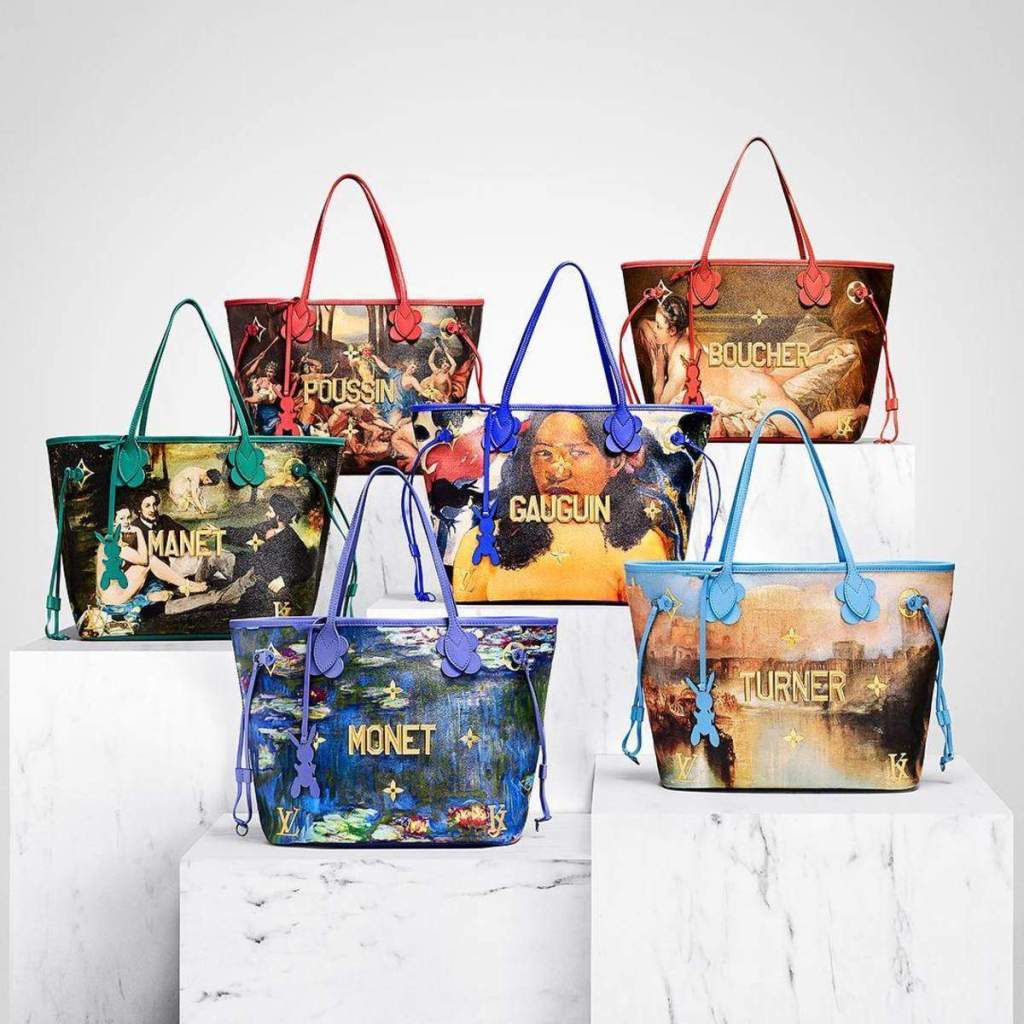
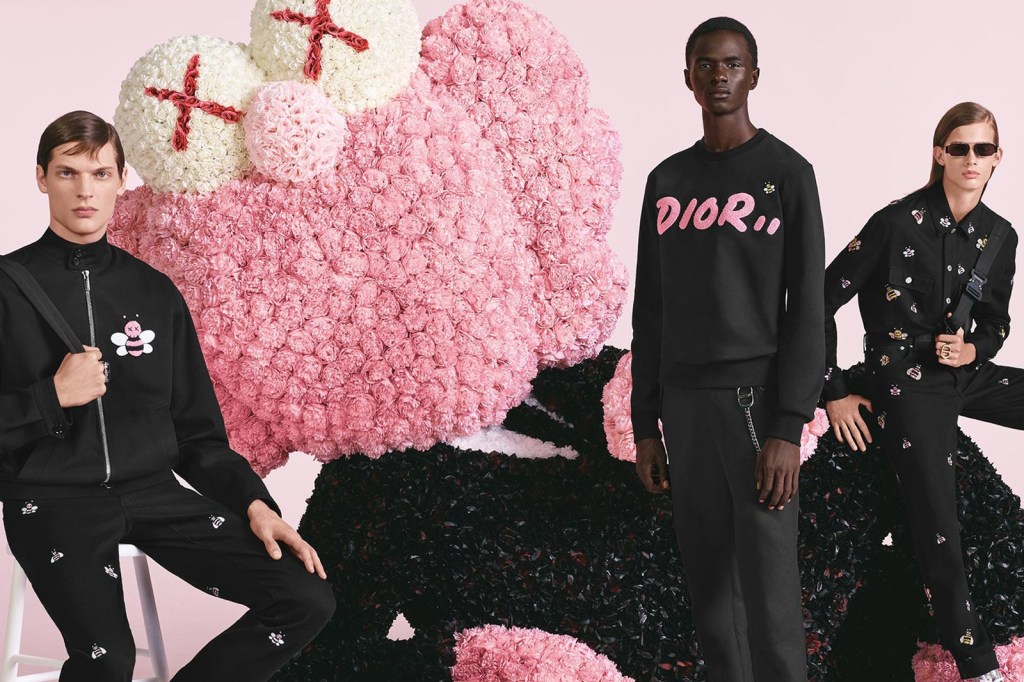
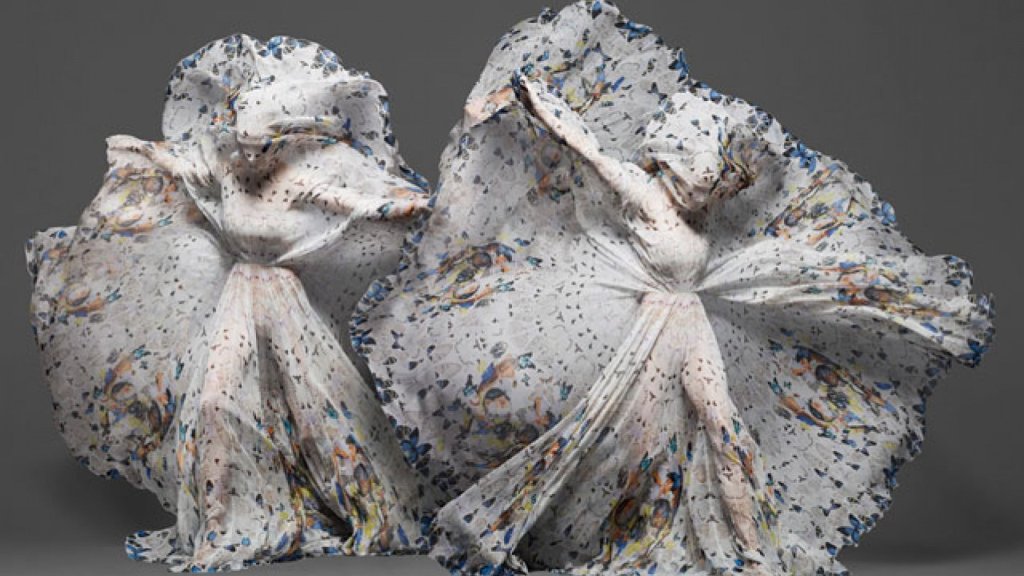
At the same time, both groups have multiplied collaborations with contemporary artists. Louis Vuitton has made a tradition of working with icons like Yayoi Kusama, Jeff Koons or Takashi Murakami (represented by Emmanuel Perrotin). Mr Kim Jones at Dior has worked with Kaws, Rimowa with Alex Israel and Daniel Arsham. On Kering’s side, one can mention Alexandre McQueen and Damien Hirst, while Gucci has been working with lesser known artists like Igniasi Monreal. These are just a few of the instances in which luxury fashion and art have been merged. By this medium, art is commodified while the icons of consumerism are given the status of artworks. Considering contemporary art is a market and that what one can see at the Louis Vuitton Foundation and Pinault Collection were sold, not too long ago, in galleries, it is easy to see these institutions as giant, albeit expensive, shops. In the same fashion, luxury stores are now cultural institutions where one does not enter only to buy, or consume, but to get exposed to the latest trends and taste. This long-term, all encompassing multi-layered effort is bridging the gap between material triviality and social and cultural trailblazing. Culture has traditionally been considered remote from financial and capitalist considerations. The truth is they have always been tightly knit, from the Roman emperors to the Medicci, money, art, power and status have always been interdependent. What is new is the scale and democratization. Now, anyone can be a patron thanks to luxury labels bringing art in the streets, and anyone can contribute to the relevant cultural narrative that is going to be remembered by future generations. Owning is now belonging and culture is part of a well-rounded marketing strategy resting on the core human need of identifying with a group.

Sources:
1. Urs Fischer for the Pinault Collection
 mabou
mabou 
Leave a comment